Plants
Weeping fig care: light, water & problems
Scientific name: Ficus benjamina · Common name: Weeping fig
Weeping fig: bright indirect light or gentle morning sun. Moderate watering, letting the top 3-4 cm of potting mix dry out before watering again.
Editorial revision:
Care at a glance
Light
Bright indirect light or gentle morning sun. Requires plenty of natural light and resents sudden changes in lighting conditions.
Watering
Moderate watering, letting the top 3-4 cm of potting mix dry out before watering again. Highly sensitive to waterlogged roots.
Conditions vary with pot, season and location. Always check the mix and your plant's response.
How to identify it
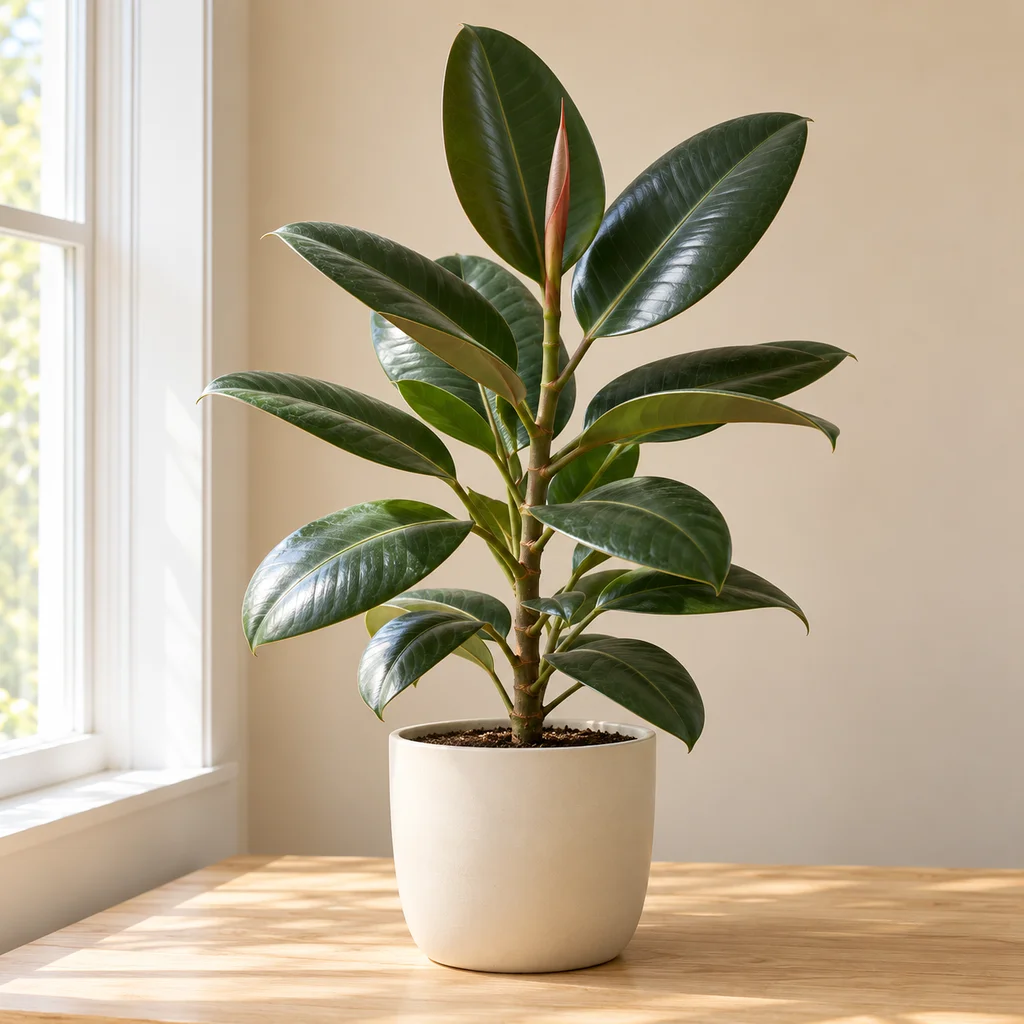
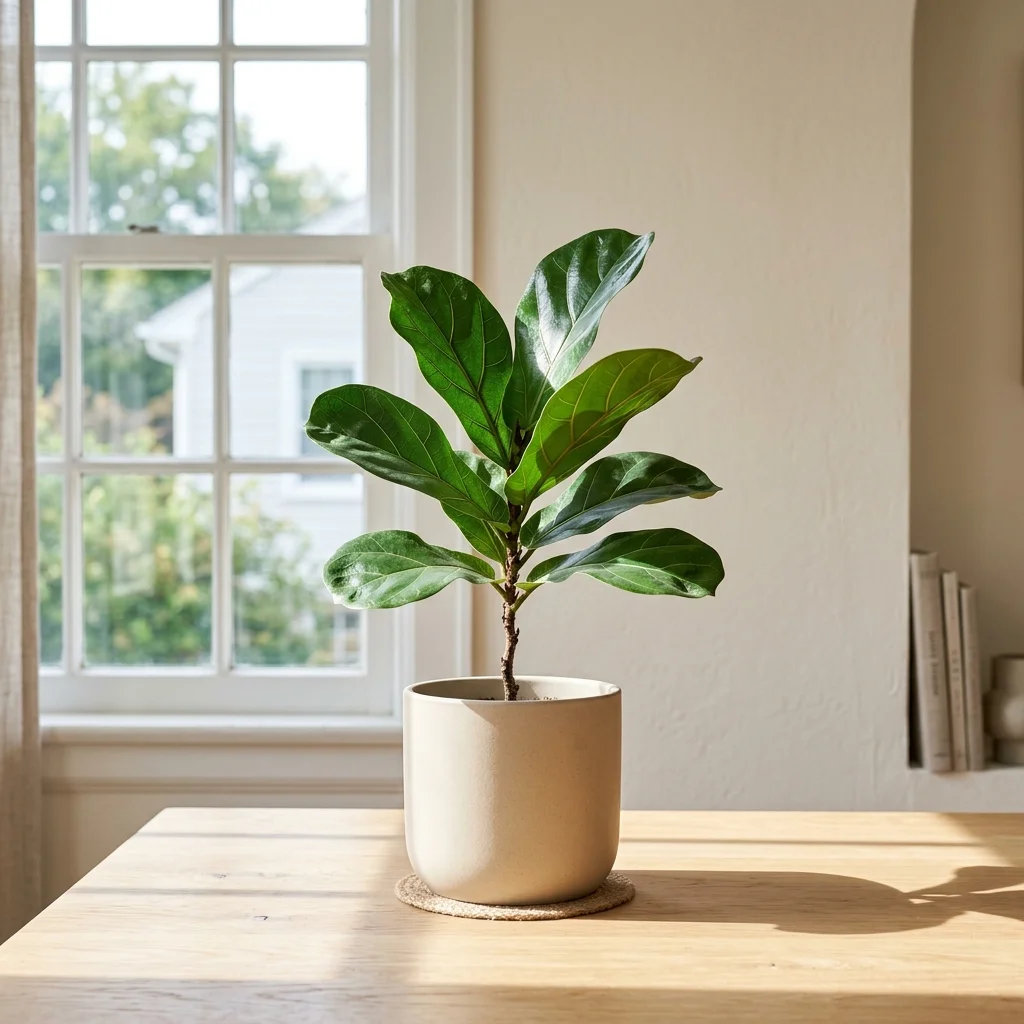
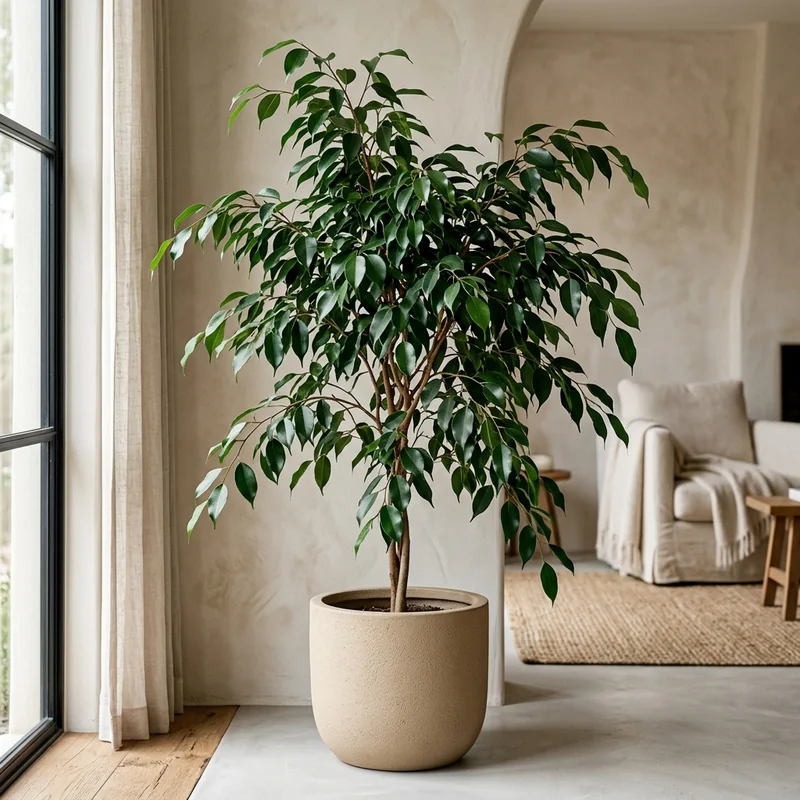
Graceful indoor tree with slender arching branches carrying dense glossy, ovate leaves that taper to a distinctive pointed drip tip.
Environment and placement
Consistent warm temperatures (18-24 °C / 65-75 °F). Strongly resents cold drafts, temperature fluctuations, and being moved around.
Your living Weeping fig in your pocket
In the Grovia mobile app, every species comes with an interactive 3D digital twin that thrives as you care for it. Track waterings, get smart light alerts, and watch your plant grow in your pocket garden.
Potting mix and feeding
Choose a stable draining pot and a mix that resists compaction. A larger container changes how long it takes to dry.
Feed during active growth only when light and root conditions are suitable; follow label rates.
Problems to check
Sudden shedding of green leaves as a stress response to relocation, cold drafts, or root saturation from overwatering.
Specialized diagnostic guide
How to assess yellow leaves
Cats and dogs
ASPCA lists this species as toxic to cats and dogs. Keep pets from chewing it; contact a veterinarian if ingestion is suspected.
ASPCACommon question
Why is my weeping fig dropping green leaves so rapidly?
Ficus benjamina drops leaves when stressed by sudden moves, drafts, or lighting shifts; choose one bright, stable spot and leave it undisturbed.