Plants
Angel wings care: light, water & problems
Scientific name: Caladium bicolor · Common name: Angel wings
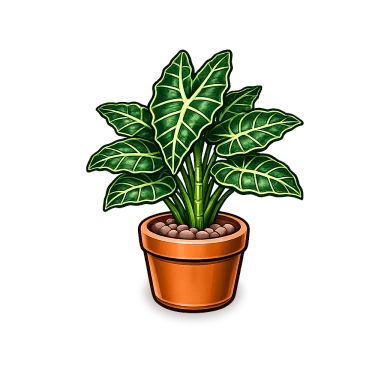
Large, paper-thin, heart-shaped leaves boasting striking mottled or veined patterns in pink, red, white and green.
Editorial revision:

Care at a glance
- Light
- Consistent bright indirect light to maintain leaf colour; direct sun scorches the delicate foliage.
- Watering
- Water to keep the mix evenly moist during the growing season. Reduce watering in autumn.
How to identify it
Large, paper-thin, heart-shaped leaves boasting striking mottled or veined patterns in pink, red, white and green.
Light
Consistent bright indirect light to maintain leaf colour; direct sun scorches the delicate foliage.
Watering
Water to keep the mix evenly moist during the growing season. Reduce watering in autumn.
Conditions vary with pot, season and location. Always check the mix and your plant's response.
Environment and placement
It requires very high humidity and warmth. It enters full dormancy when temperatures drop.
Potting mix and feeding
Use an airy, draining mix and a pot with drainage holes. Match pot size to the root ball so excess mix does not remain wet.
Feed only during active growth and follow the product label. Correct damaged roots or poor light before fertilising.
Problems to check
Losing all its leaves in winter does not mean it is dead; it is a natural period of dormancy.
How to assess yellow leavesCats and dogs
ASPCA lists this species as toxic to cats and dogs. Keep pets from chewing it; contact a veterinarian if ingestion is suspected.
ASPCACommon question
What should I do with the tubers in winter?
Let the foliage die back naturally, cut it off, and store the pot mostly dry in a warm spot until spring.