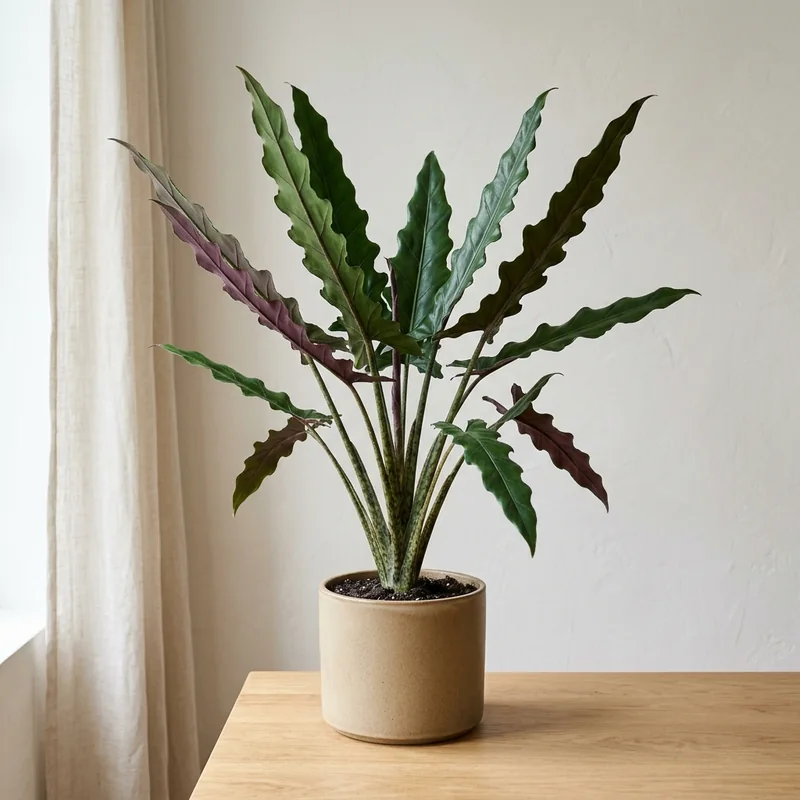
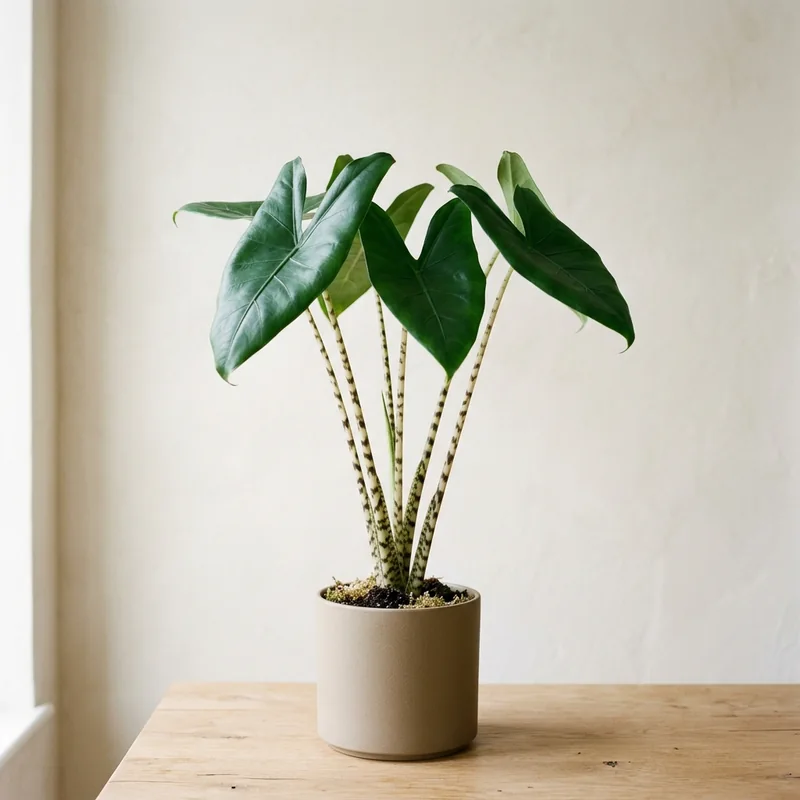
Amazon elephant's ear
Alocasia × amazonicaUpdated
Striking rhizomatous elephant's ear demanding chunky aerated compost, steady warmth above 15 °C, and near-dry care during winter dormancy.
Essential care to help it thrive
Light and placement
Bright indirect light. Avoid direct sun, which can scorch the leaves quickly.
Climate and season
It requires high humidity and consistent warmth. It is highly sensitive to cold or dry air.
Soil and repotting
Build a chunky, oxygen-rich aroid substrate with generous drainage.
Conditions vary with pot, season and location. Always check the mix and your plant's response.
Amazon elephant's ear: when to check the soil
Keep the mix lightly moist, never waterlogged. Reduce watering drastically in winter if it goes dormant.
Let Grovia remind you when to check your Amazon elephant's earSave the plant, get watering reminders and adjust the rhythm as the seasons change. Free on iPhone and Android.
See table by pot size
| Ø | Summer | Winter |
|---|---|---|
| 10 cm | 3–4 days | 6–9 days |
| 15 cm | 4–6 days | 8–11 days |
| 25 cm | 5–7 days | 11–15 days |
How to identify it
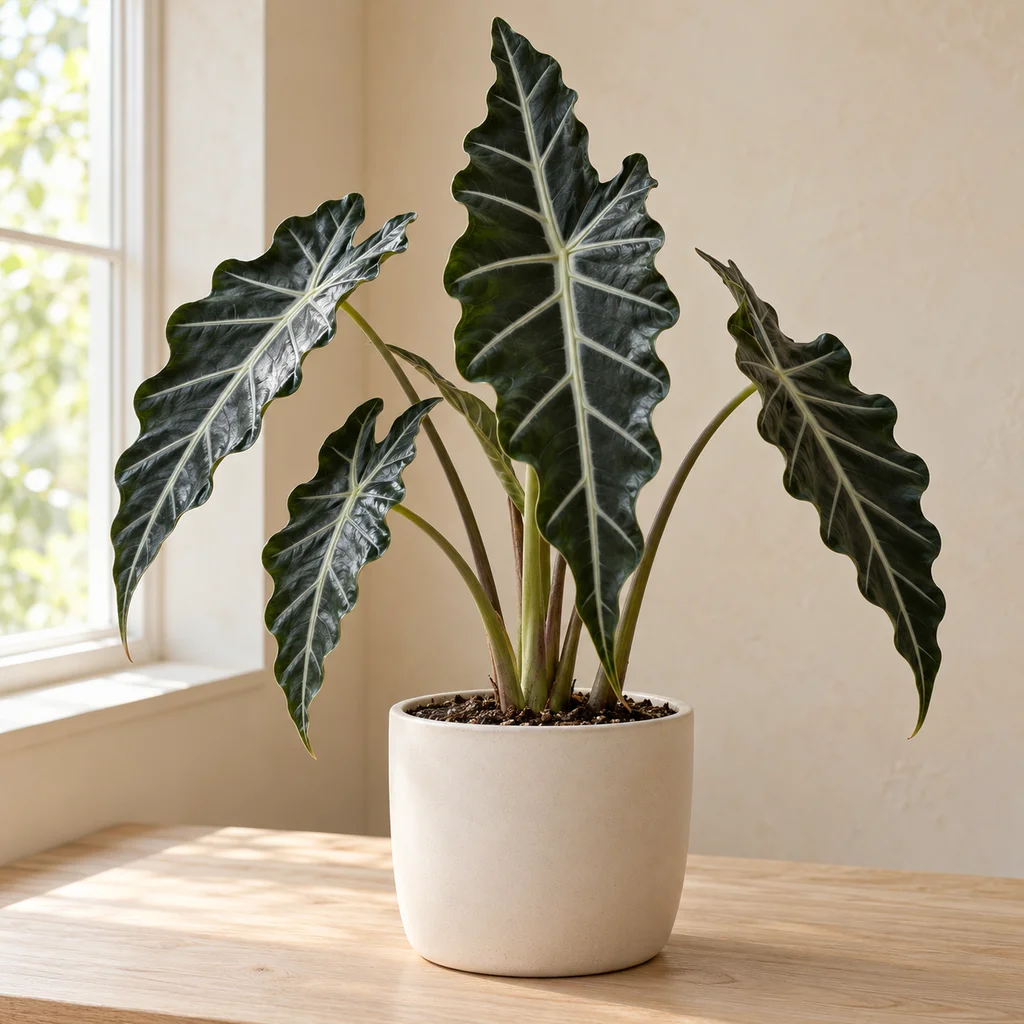
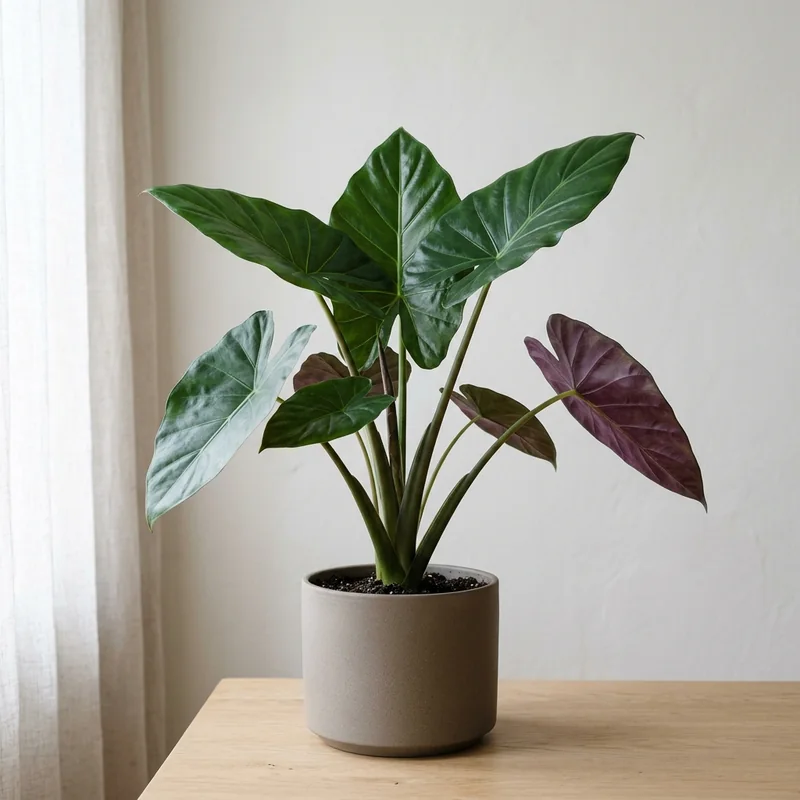
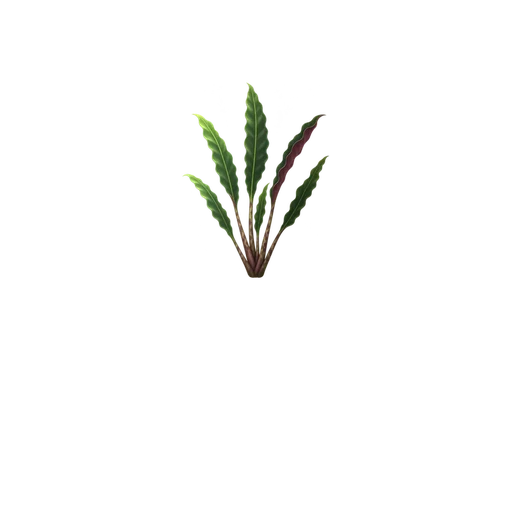
Arrow-shaped, very dark green (almost black) leaves with thick silvery-white veins and wavy margins.
Botanical sheet
- Family
- Araceae
- Origin
- Horticultural origin (hybrid)
- Size
- 1–1.5 m indoors
- Climate
- 18–28 °C · min. 15 °C
What's wrong with your plant?
Pet safety Toxicity unverified
There is no species-specific toxicity verification for this plant on ASPCA. Check with your veterinarian or search the ASPCA directory before keeping it within reach of pets.
Open the toxicity checkerCommon questions
Why does it lose all its leaves in winter?
If temperatures drop, it may enter seasonal dormancy. Keep the rhizome mostly dry until spring.
What is the best potting substrate for Alocasia Polly?
Use a very chunky airy blend—roughly one third light compost, one third orchid bark, and one third perlite or pumice—to stop soggy roots.
What humidity and winter watering pace work best?
Target moderate-to-high warmth and check every 8–11 days while leafy; if all leaves drop in cold weather, keep the dormant rhizome barely moist.