Plants
Tomato plant care: light, water & problems
Scientific name: Solanum lycopersicum · Common name: Tomato plant
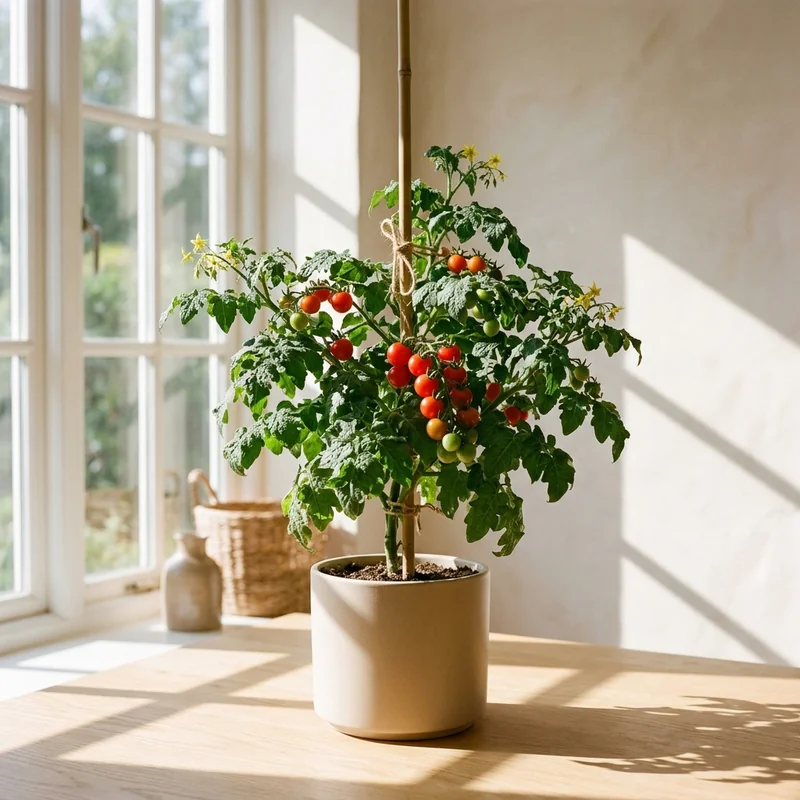
Tomato plant (Solanum lycopersicum): full direct sun. Consistent and deep watering, keeping container compost evenly moist without waterlogging.
Editorial revision:
Care at a glance
Light
Full direct sun. Requires at least 6 to 8 hours of direct daily sunlight to produce blossoms, set fruit, and ripen sweet tomatoes.
Watering
Consistent and deep watering, keeping container compost evenly moist without waterlogging. Irregular watering causes fruit splitting and blossom end rot.
Conditions vary with pot, season and location. Always check the mix and your plant's response.
How to identify it
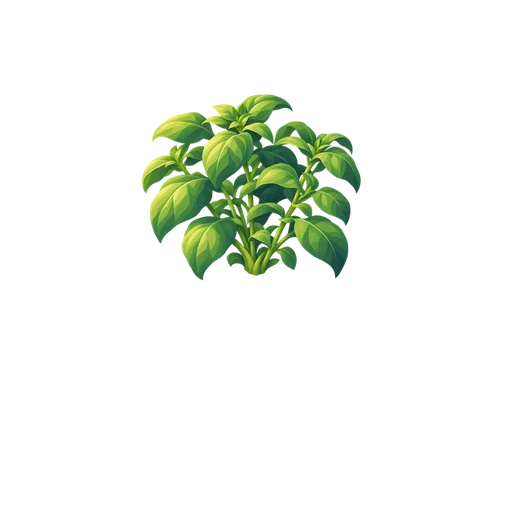
Bushy or vining annual with glandular aromatic foliage, pinnate compound leaves, and clusters of yellow flowers developing into juicy fruits.
Environment and placement
Warm, sunny outdoor microclimate (20-28 °C / 68-82 °F). Frost-sensitive and damaged when night temperatures drop below 10 °C (50 °F).
Your living Tomato plant in your pocket
In the Grovia mobile app, every species comes with an interactive 3D digital twin that thrives as you care for it. Track waterings, get smart light alerts, and watch your plant grow in your pocket garden.
Potting mix and feeding
Keep drainage open and observe how long this particular pot takes to dry.
There is no universal feeding dose: fertilise only during healthy growth, following the label and a confirmed identification.
Problems to check
Blossom end rot (dark sunken base) from erratic watering; tomato blight on wet leaves in warm, humid weather.
Specialized diagnostic guide
How to assess yellow leaves
Cats and dogs
ASPCA lists this species as toxic to cats and dogs. Keep pets from chewing it; contact a veterinarian if ingestion is suspected.
ASPCACommon question
Why do the bottoms of my potted tomatoes turn black?
Blossom end rot is caused by localized calcium deficiency due to inconsistent watering; keep soil moisture levels steady throughout fruiting.
Botanical source
Related species
 🐾 Pet safe