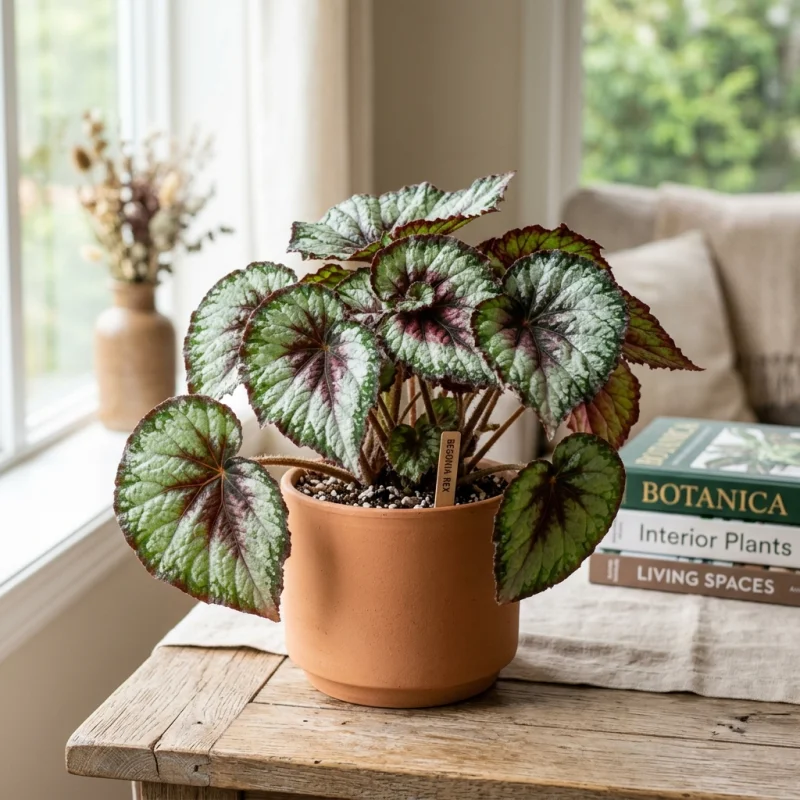
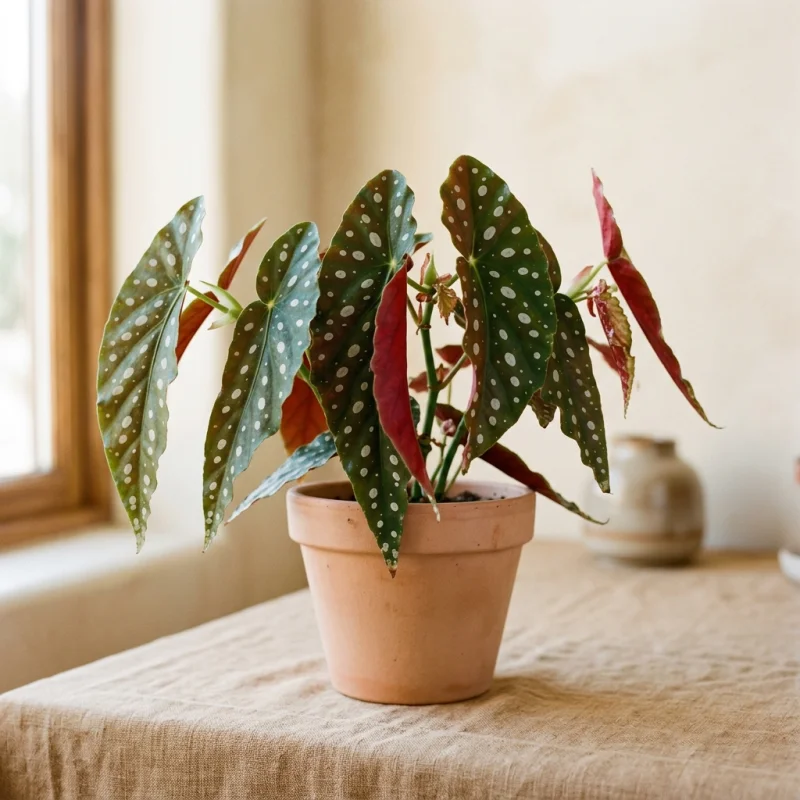
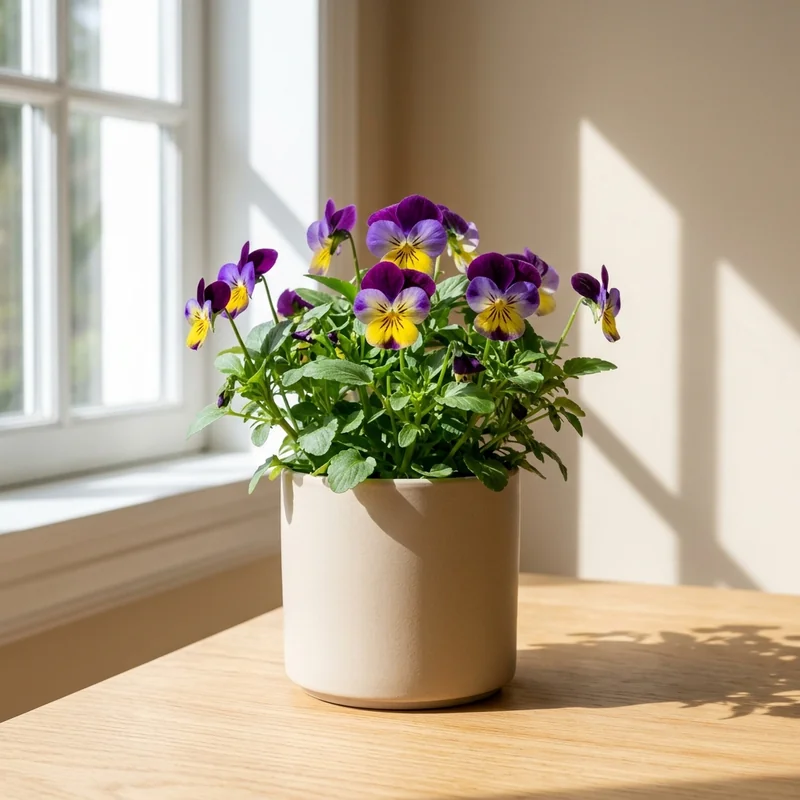
Rieger begonia (Elatior begonia)
Begonia × hiemalisUpdated
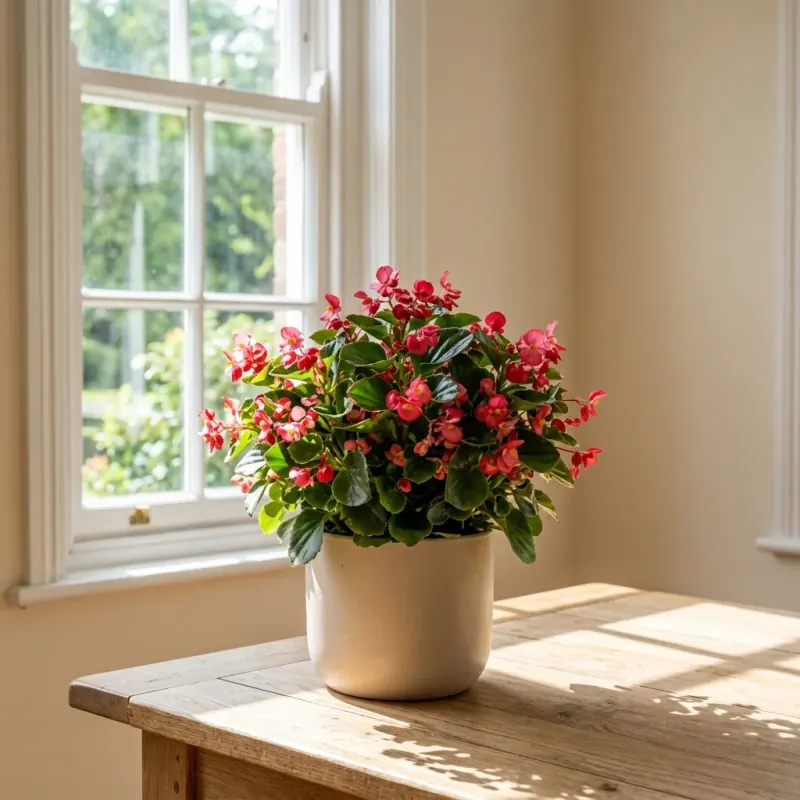
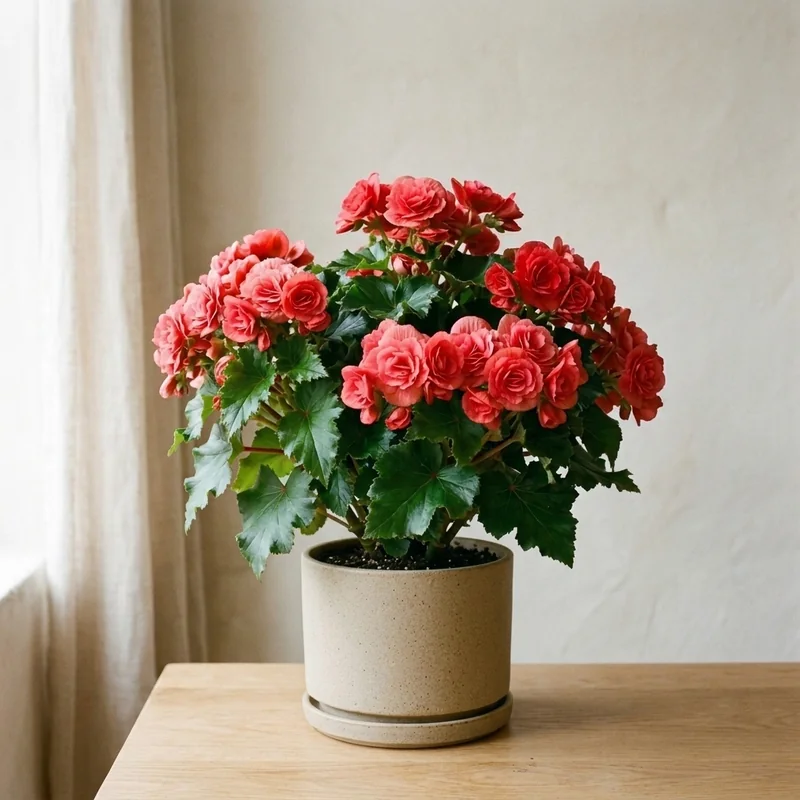
Compact bloomer packed with asymmetric glossy leaves and rose-like double clusters. Loves bright filtered light, bottom watering and gentle airflow.
Essential care to help it thrive
Light and placement
Give bright indirect daylight by an east window or filtered south sill so rich clusters keep blooming without pale stretched stems or sun-scorched petals.
Climate and season
Prefers moderate 15–24 °C rooms strictly above 10 °C (RHS H1b) with gentle natural ventilation keeping foliage dry and crisp without cold drafts.
Soil and repotting
Open free-draining acidic houseplant blend with peat-free humus, perlite and light vermiculite.
Conditions vary with pot, season and location. Always check the mix and your plant's response.
Rieger begonia (Elatior begonia): when to check the soil
Check the upper 2–3 cm every 5–8 days and water gently from the base once lightly dry—never wetting leaves—draining saucers dry within ten minutes.
Let Grovia remind you when to check your Rieger begonia (Elatior begonia)Save the plant, get watering reminders and adjust the rhythm as the seasons change. Free on iPhone and Android.
See table by pot size
| Ø | Summer | Winter |
|---|---|---|
| 10 cm | 4–5 days | 7–10 days |
| 15 cm | 5–6 days | 9–13 days |
| 25 cm | 6–9 days | 12–17 days |
How to identify it
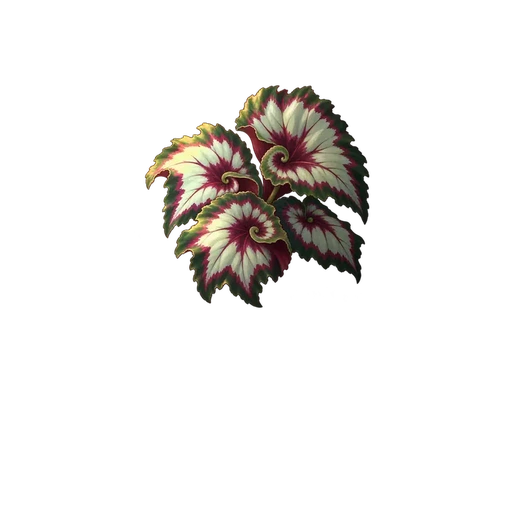
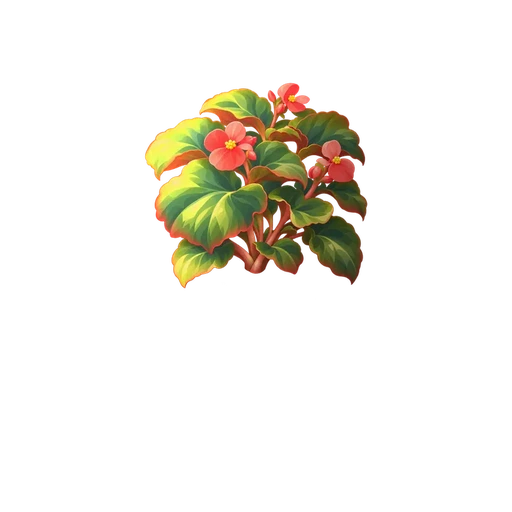
Compact succulent-stemmed perennial covered in glossy asymmetric green leaves and dense double rose-like flowers in coral, red, pink or yellow; long called Begonia elatior.
Botanical sheet
- Family
- Begoniaceae
- Origin
- Cultivated hybrid (Socotra · Andes)
- Size
- 20–30 cm bushy mound
- Climate
- 15–24 °C · min 10 °C
What's wrong with your plant?
Pet safety Toxicity unverified
There is no species-specific toxicity verification for this plant on ASPCA. Check with your veterinarian or search the ASPCA directory before keeping it within reach of pets.
Open the toxicity checkerCommon questions
Should you mist a Rieger Begonia to keep flowers fresh?
Never mist this plant: trapped moisture across dense clusters invites powdery mildew and grey mould swiftly; always water strictly around the pot base.
How do I keep a Begonia × hiemalis blooming for months?
Pluck spent flowers promptly before petals rot onto leaves, keep near bright filtered light and feed half-strength high-potassium liquid fertilizer biweekly.
Is Elatior Begonia toxic around household dogs or cats?
Yes, treat with caution: though its genus-level ASPCA card sits on a sibling entry, Begonia species carry soluble oxalates concentrated underground, so keep out of reach.