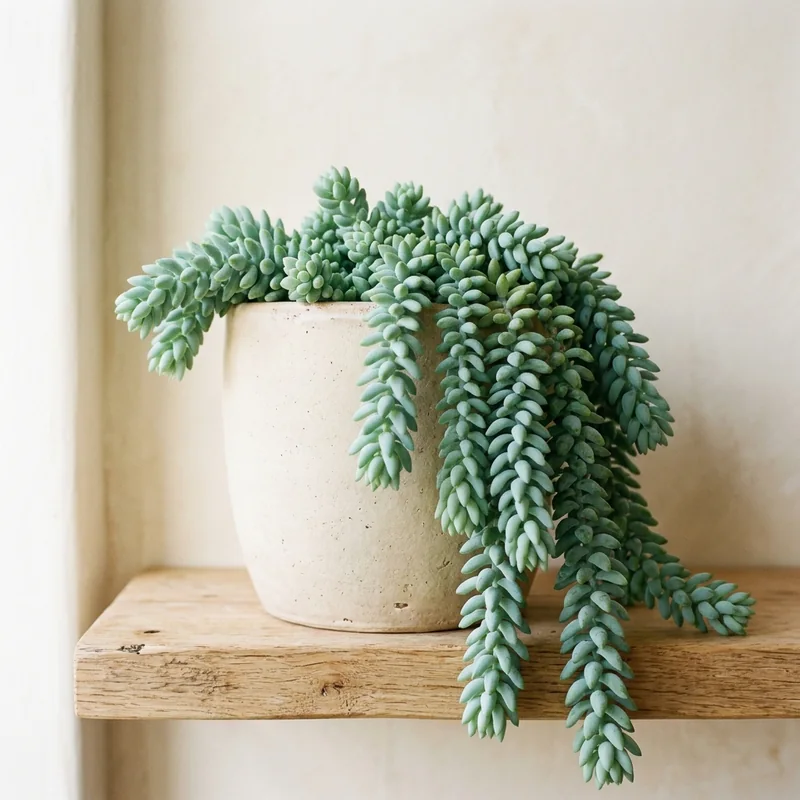
Spineless Medusa's head
Euphorbia inermisUpdated
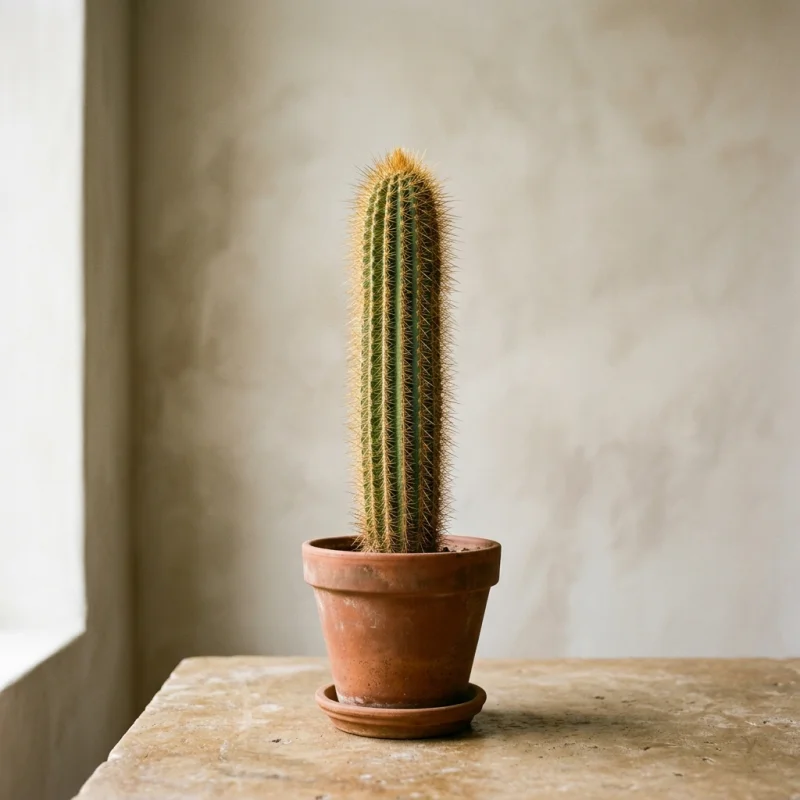
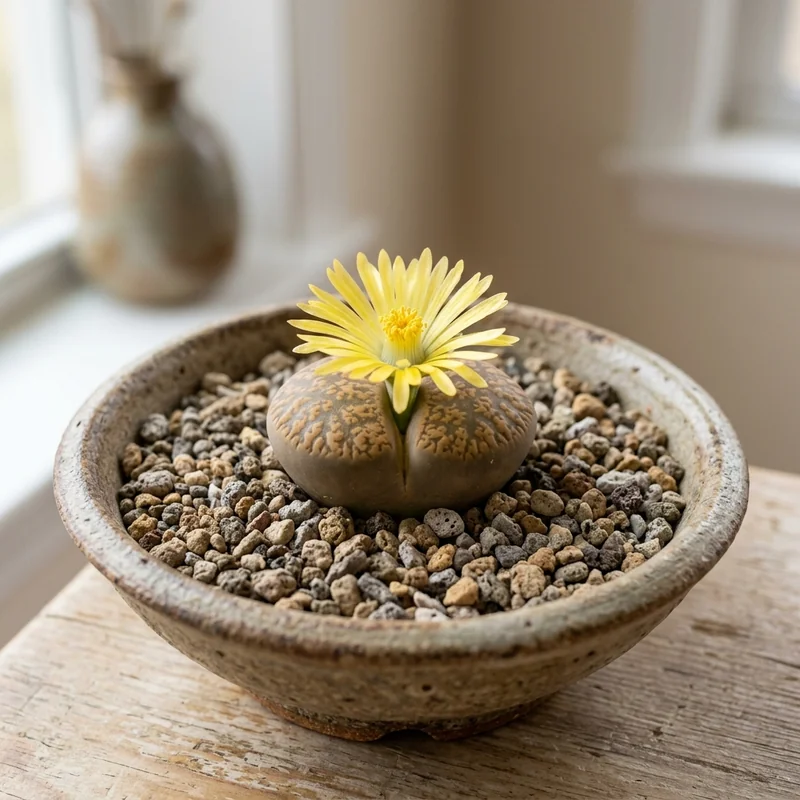
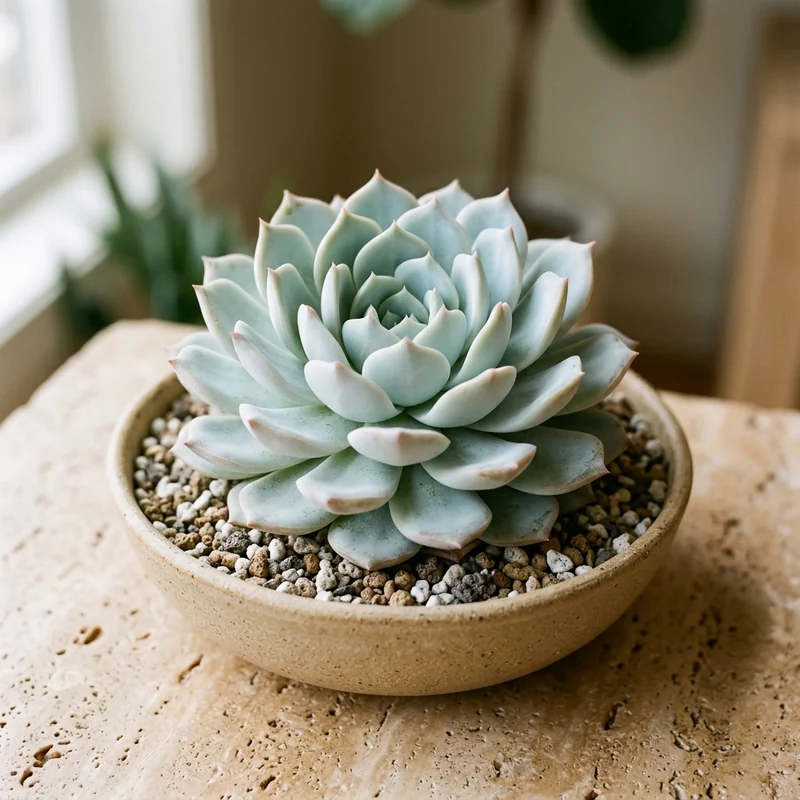
South African spineless Medusa-head euphorbia with milky latex sap. Demands intense sun, gritty mineral drainage and a full dry-down cycle.
Essential care to help it thrive
Light and placement
Give full sun or a bright south-facing windowsill so radiating arms stay compact; dim corners produce thin, weak stretched shoots.
Climate and season
Keep warm, dry and frost-free with brisk airflow. Wear gloves and eye protection because its milky latex sap irritates skin and eyes.
Soil and repotting
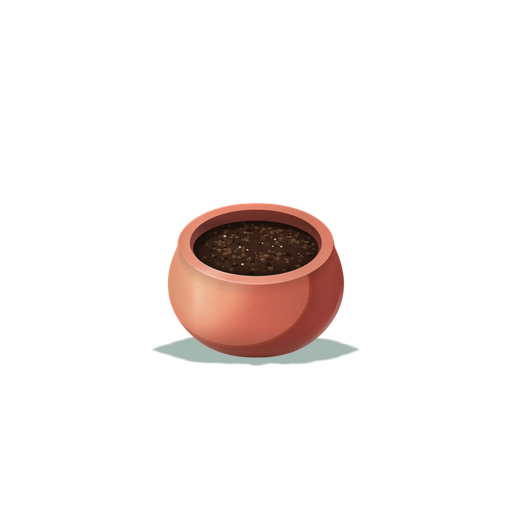
Ultra-gritty cactus blend inside a breathable unglazed terracotta pot.
Conditions vary with pot, season and location. Always check the mix and your plant's response.
Spineless Medusa's head: when to check the soil
Use a full succulent dry-down: soak gritty soil only after it dries completely in warm active growth; keep near-dry through cool winter rest.
Let Grovia remind you when to check your Spineless Medusa's headSave the plant, get watering reminders and adjust the rhythm as the seasons change. Free on iPhone and Android.
See table by pot size
| Ø | Summer | Winter |
|---|---|---|
| 10 cm | 7–10 days | No water |
| 15 cm | 9–12 days | No water |
| 25 cm | 11–16 days | No water |
How to identify it
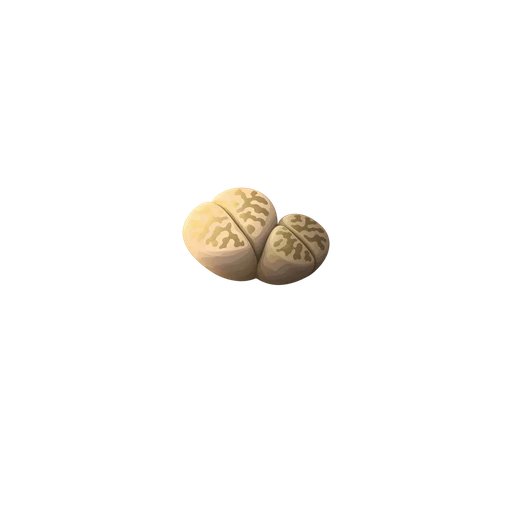
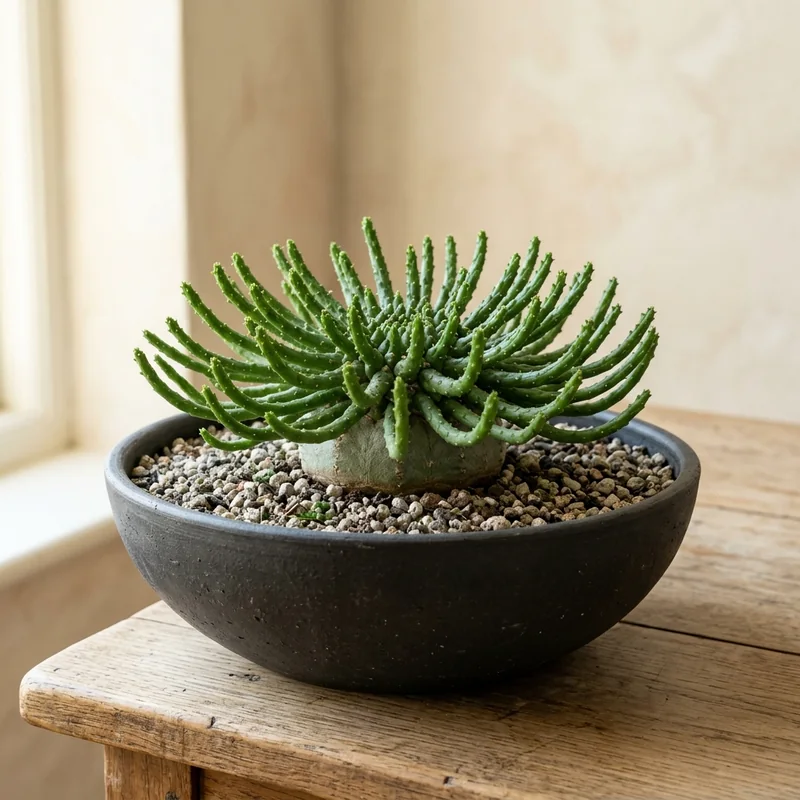
Spineless Medusa-head euphorbia from the Cape: a chunky central crown radiates unarmed green succulent arms and exudes milky white latex sap.
Botanical sheet
- Family
- Euphorbiaceae
- Origin
- South Africa (Cape)
- Size
- ≈ 15–50 cm · Compact succulent rosette
- Climate
- ≈ 18–28 °C · ≥ -6 °C · Warm, bright, frost-free
Approximate figures: reference sources do not publish exact data for this species.
What's wrong with your plant?
Pet safety Toxicity unverified
There is no species-specific toxicity verification for this plant on ASPCA. Check with your veterinarian or search the ASPCA directory before keeping it within reach of pets.
Open the toxicity checkerCommon questions
Is Euphorbia inermis a true cactus?
No. It is a spineless succulent Euphorbia (Euphorbiaceae) containing milky latex sap rather than cactus areoles.
Why wear gloves when handling or repotting?
Damaged arms release milky white latex that strongly irritates skin and eyes; keep away from pets and wash skin right away.
Should I water it on a fixed winter schedule?
No: reduce water sharply in cool low-light months and leave the gritty soil dry for weeks to prevent crown rot.