Plants
English ivy care: light, water & problems
Scientific name: Hedera helix · Common name: English ivy
English ivy (Hedera helix): bright indirect light to maintain creamy variegation. Moderate watering, letting the top inch of compost dry before watering again.
Editorial revision:
Care at a glance
Light
Bright indirect light to maintain creamy variegation; solid green cultivars tolerate medium shade and lower light settings.
Watering
Moderate watering, letting the top inch of compost dry before watering again. Never leave standing water in the drainage tray.
Conditions vary with pot, season and location. Always check the mix and your plant's response.
How to identify it
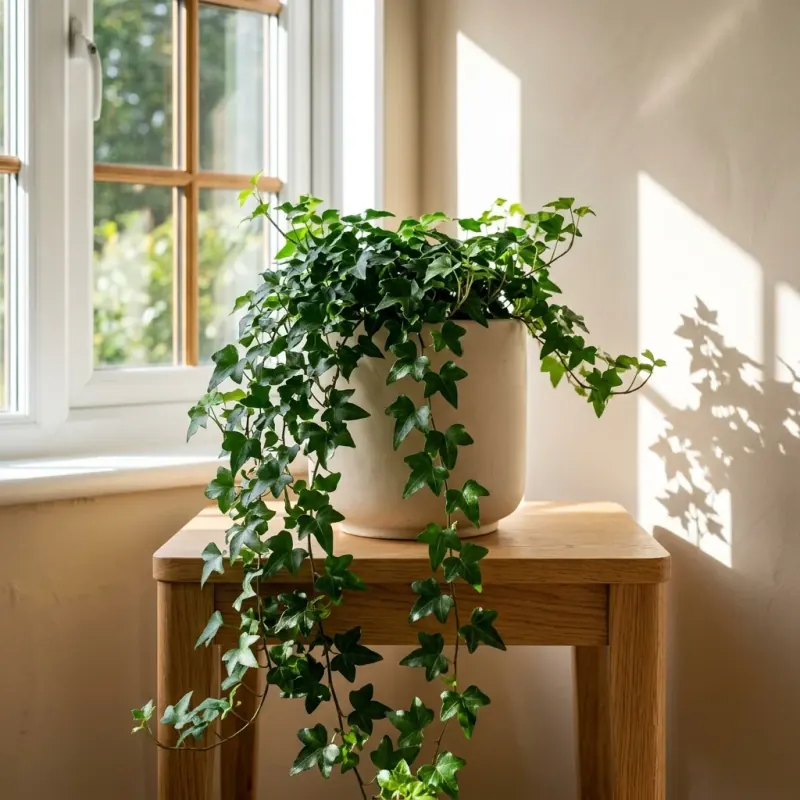
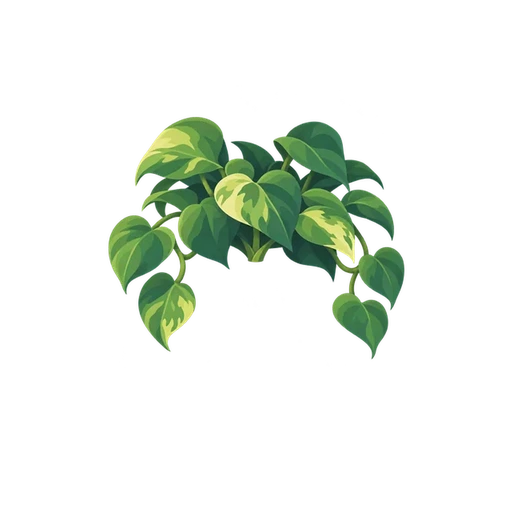
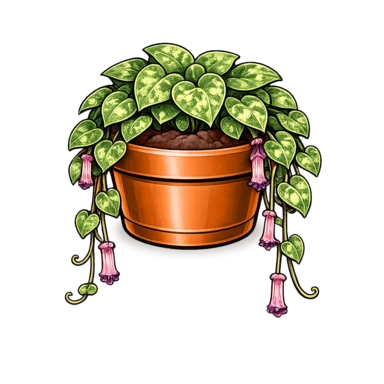
Versatile evergreen climber or trailing vine with glossy, lobed leathery leaves in solid deep green or striking variegated patterns.
Environment and placement
Prefers cool, airy conditions (12-18 °C / 54-64 °F). Dry central heating creates ideal conditions for spider mite infestations.
Your living English ivy in your pocket
In the Grovia mobile app, every species comes with an interactive 3D digital twin that thrives as you care for it. Track waterings, get smart light alerts, and watch your plant grow in your pocket garden.
Potting mix and feeding
Keep drainage open and observe how long this particular pot takes to dry.
There is no universal feeding dose: fertilise only during healthy growth, following the label and a confirmed identification.
Problems to check
Spider mites in dry heated rooms; yellowing foliage and root rot from overwatering in heavy, poorly-drained compost.
Specialized diagnostic guide
How to assess yellow leaves
Cats and dogs
ASPCA lists this species as toxic to cats and dogs. Keep pets from chewing it; contact a veterinarian if ingestion is suspected.
ASPCACommon question
How do I prevent spider mites on indoor English ivy?
Mist foliage regularly with cool water to keep humidity elevated, and keep the plant in a cooler spot away from direct radiator heat.
Botanical source
Related species


 🐾 Pet safe