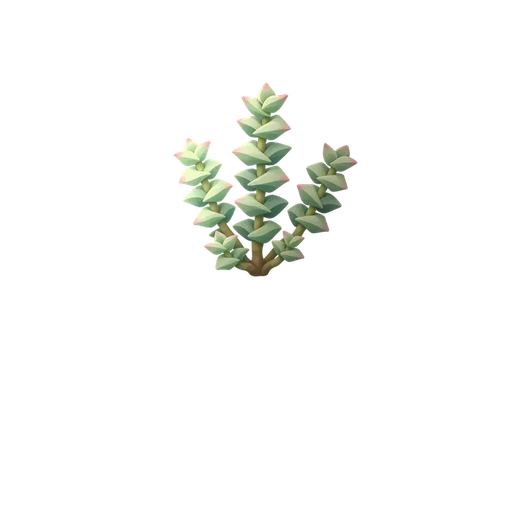
Moss Rose (Portulaca grandiflora)
Portulaca grandifloraUpdated
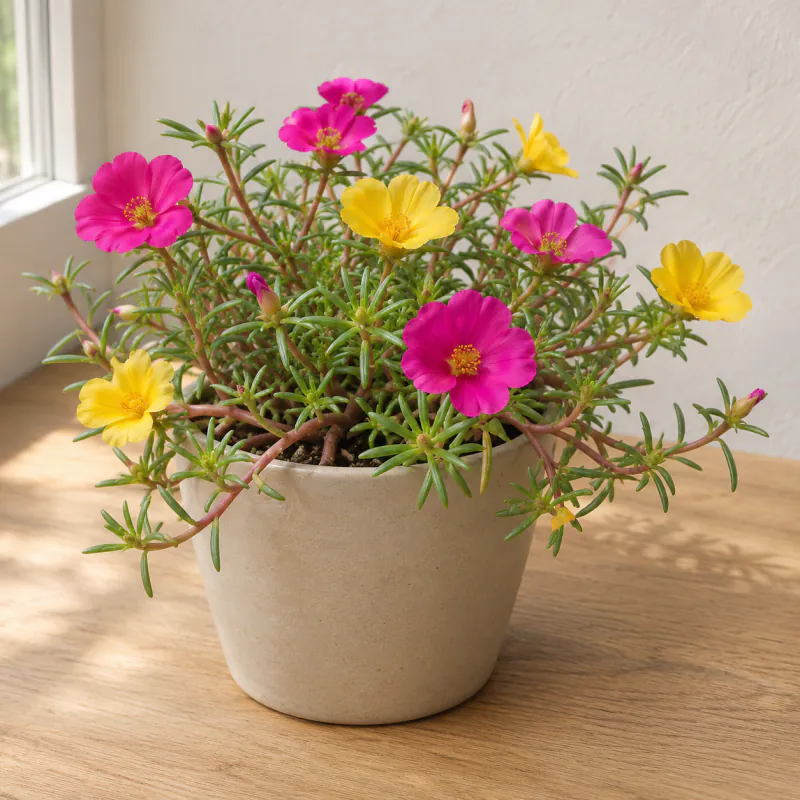
Heat-loving succulent annual forming mats of needle-like leaves topped with bright rose-like flowers under direct sun. Thrives on grit and dry spells.
Essential care to help it thrive
Light and placement
Demand blazing full sunlight outdoors because blossoms stay shut in dim spots or cloudy weather; perfect for hot south-facing window boxes and ledges.
Climate and season
Flourishes in summer heat from 15 to 35 °C and tolerates reflected balcony heat; frost-tender (≥ 1 °C) and normally grown afresh outdoors every warm spring.
Soil and repotting
Plant in shallow wide bowls or hanging baskets packed with lean cactus compost and generous sharp sand or grit.
Conditions vary with pot, season and location. Always check the mix and your plant's response.
Moss Rose (Portulaca grandiflora): when to check the soil
Wait until sandy soil dries right down between deep waterings, keeping saucers empty; fleshy stems store water and rot quickly in damp cold trays.
Let Grovia remind you when to check your Moss Rose (Portulaca grandiflora)Save the plant, get watering reminders and adjust the rhythm as the seasons change. Free on iPhone and Android.
See table by pot size
| Ø | Summer | Winter |
|---|---|---|
| 10 cm | 7–10 days | 14–19 days |
| 15 cm | 9–12 days | 17–24 days |
| 25 cm | 11–16 days | 23–32 days |
How to identify it
Sprawling succulent annual with fleshy reddish prostrate stems, tiny cylindrical needle leaves, and papery ruffled blooms in neon reds, pinks, and yellows.
Botanical sheet
- Family
- Portulacaceae
- Origin
- Southern Brazil, Uruguay, and Argentina
- Size
- 10–25 cm tall (30 cm spread)
- Climate
- 15–35 °C · min 1 °C
What's wrong with your plant?
Pet safety Toxicity unverified
There is no species-specific toxicity verification for this plant on ASPCA. Check with your veterinarian or search the ASPCA directory before keeping it within reach of pets.
Open the toxicity checkerCommon questions
Why do Moss Rose flowers only stay open during bright sunshine?
Each papery bloom lasts one sunny day and shuts in low light or evening coolness, yet healthy sun-baked clumps pop dozens of fresh replacements daily.
Does Portulaca grandiflora need rich fertilized potting soil?
No—lean gritty sandy mix triggers far better flowering, whereas heavy rich compost promotes weak watery growth and far fewer colorful blooms.
Can broken trailing stems root cleanly back in the pot?
Yes, press snapped stems onto lightly dry grit in bright sun and hold off water briefly until fresh roots anchor into the sandy mix.