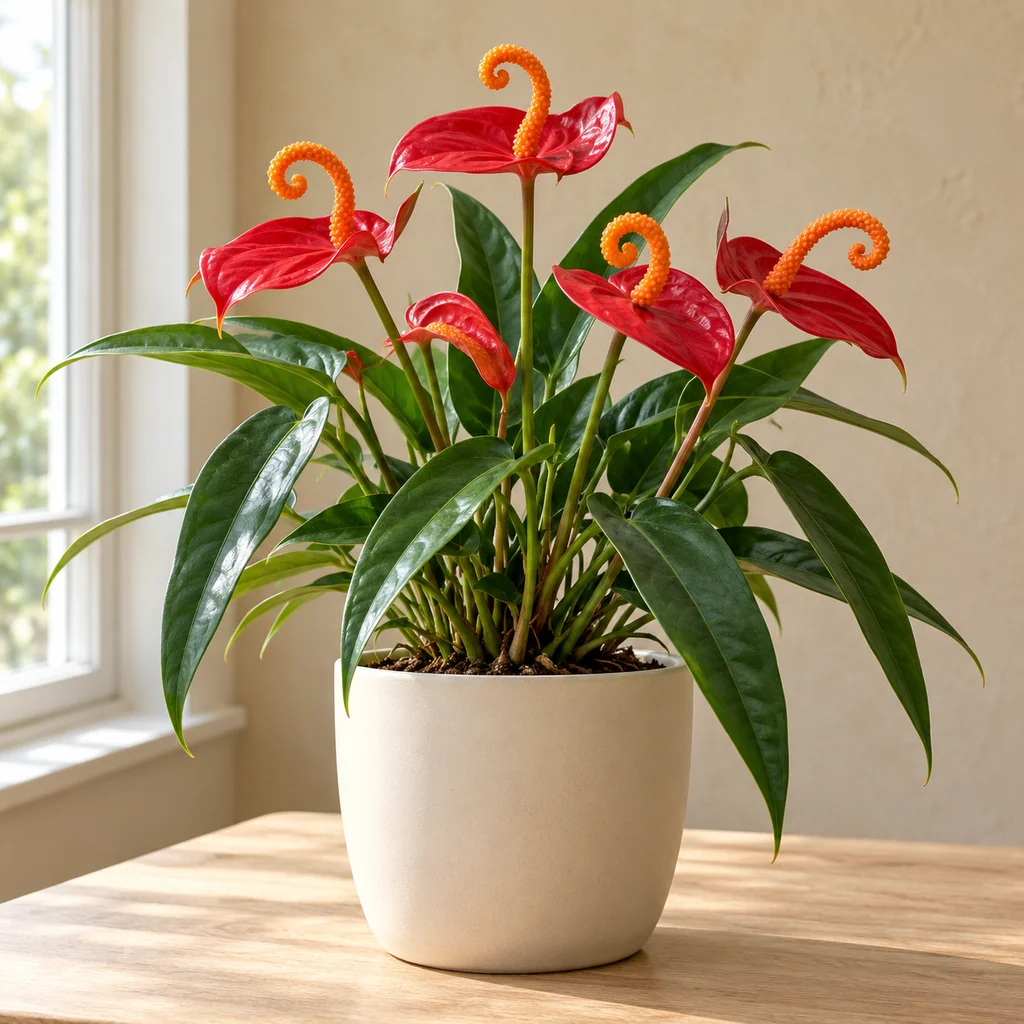
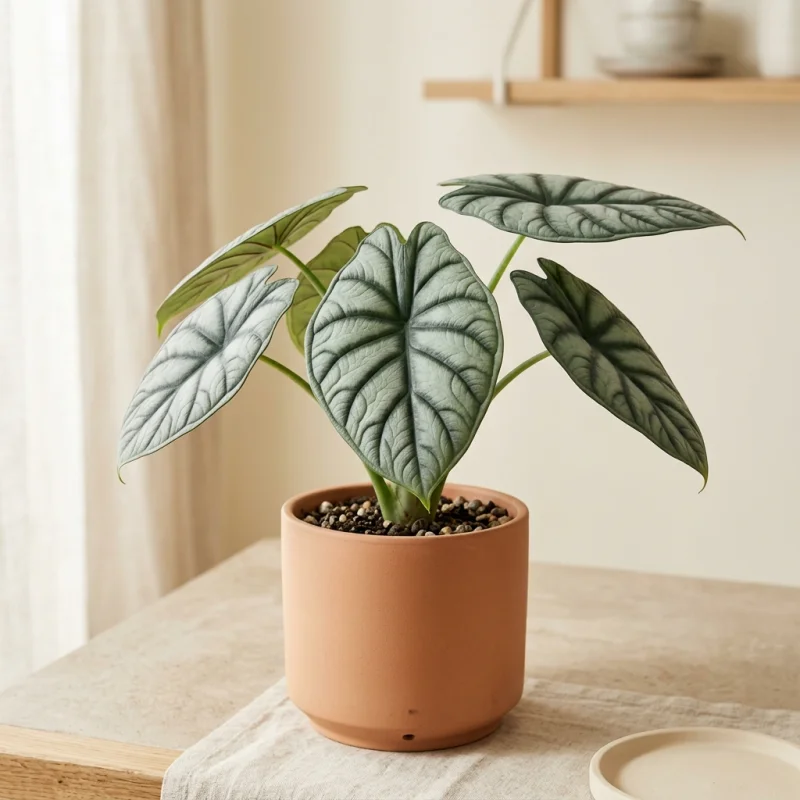
Velvet cardboard anthurium
Anthurium clarinerviumUpdated
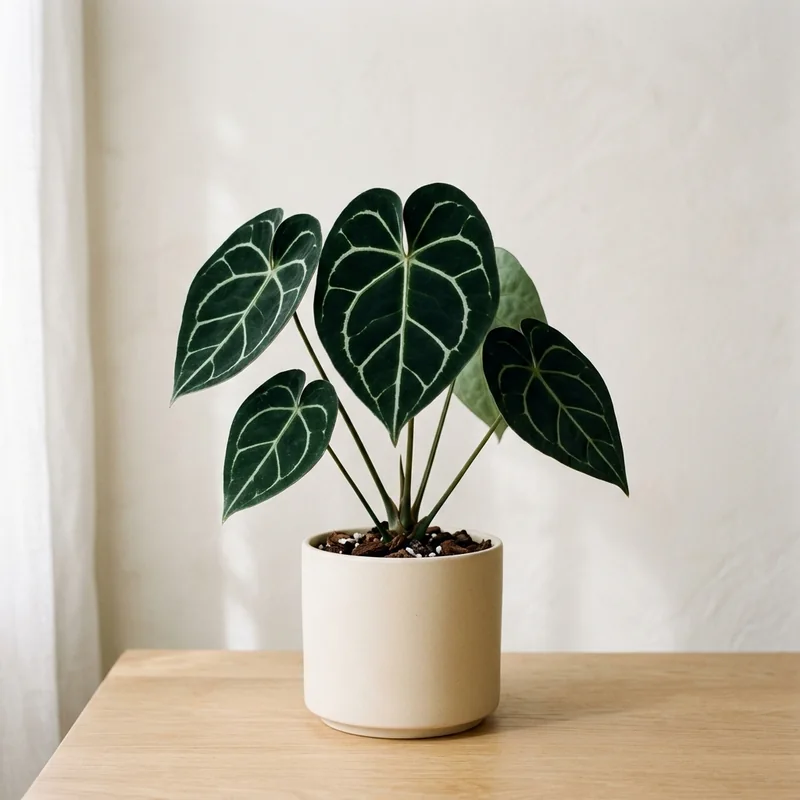
Epiphytic Mexican jewel aroid with thick deep-emerald velvet hearts veined in crisp silvery white. Thrives in airy bark mix, bright shade, and steady humidity.
Essential care to help it thrive
Light and placement
Keep in medium-to-bright filtered indirect light. Direct sun scorches and fades velvety dark pigment, while gloomy corners slow crisp leaf expansion.
Climate and season
Hold warmth reliably above 15 °C with 60–75% humidity and gentle room airflow so water droplets never linger on delicate matte blades.
Soil and repotting
Well-ventilated drained pot packed loosely with chunky orchid bark, coco coir chunks, perlite, and horticultural charcoal.
Conditions vary with pot, season and location. Always check the mix and your plant's response.
Velvet cardboard anthurium: when to check the soil
Check the upper 2–3 cm of chunky bark and water with soft rainwater once it begins losing dampness, letting thick white epiphytic roots breathe freely.
Let Grovia remind you when to check your Velvet cardboard anthuriumSave the plant, get watering reminders and adjust the rhythm as the seasons change. Free on iPhone and Android.
See table by pot size
| Ø | Summer | Winter |
|---|---|---|
| 10 cm | 4–6 days | 8–12 days |
| 15 cm | 5–7 days | 11–15 days |
| 25 cm | 7–10 days | 14–20 days |
How to identify it
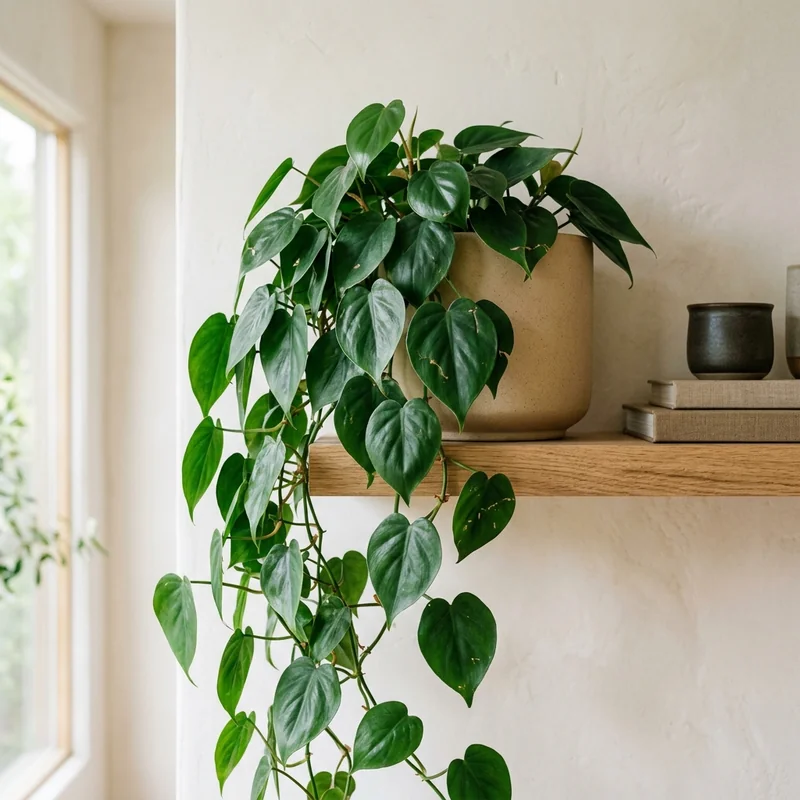
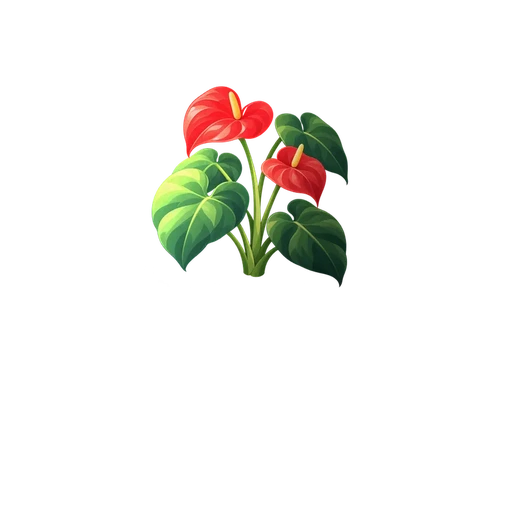
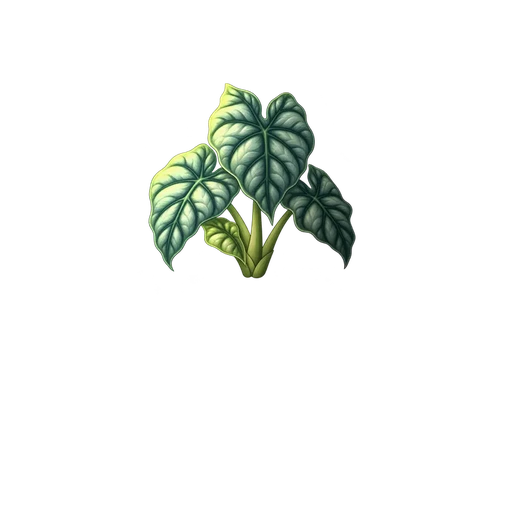
Compact upright clump of thick velvety dark-green heart blades with overlapping rounded lobes and stark pale-white veins above; small green spathes.
Botanical sheet
- Family
- Araceae
- Origin
- Southern Mexico (Chiapas)
- Size
- 25–50 cm upright rosette
- Climate
- 18–26 °C · min 15 °C
What's wrong with your plant?
Pet safety Toxicity unverified
There is no species-specific toxicity verification for this plant on ASPCA. Check with your veterinarian or search the ASPCA directory before keeping it within reach of pets.
Open the toxicity checkerCommon questions
Why does Anthurium clarinervium fail in regular potting soil?
As a Chiapas epiphyte, its thick fleshy white roots cling to mossy bark in open humid air; fine dense soil stays wet too long and suffocates them.
Can Anthurium clarinervium bloom indoors cleanly?
Yes, mature specimens send up long-lasting slender pale-green spathes, though growers prize the thick white-veined velvet leaves far more.
Is Anthurium clarinervium irritating or harmful if touched or chewed?
RHS warns its sap causes skin and eye irritation and harms pets if eaten, so wear gloves when pruning and place it safely out of reach.