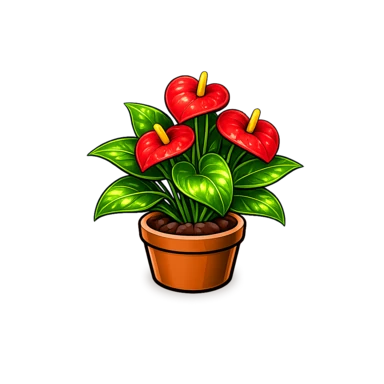
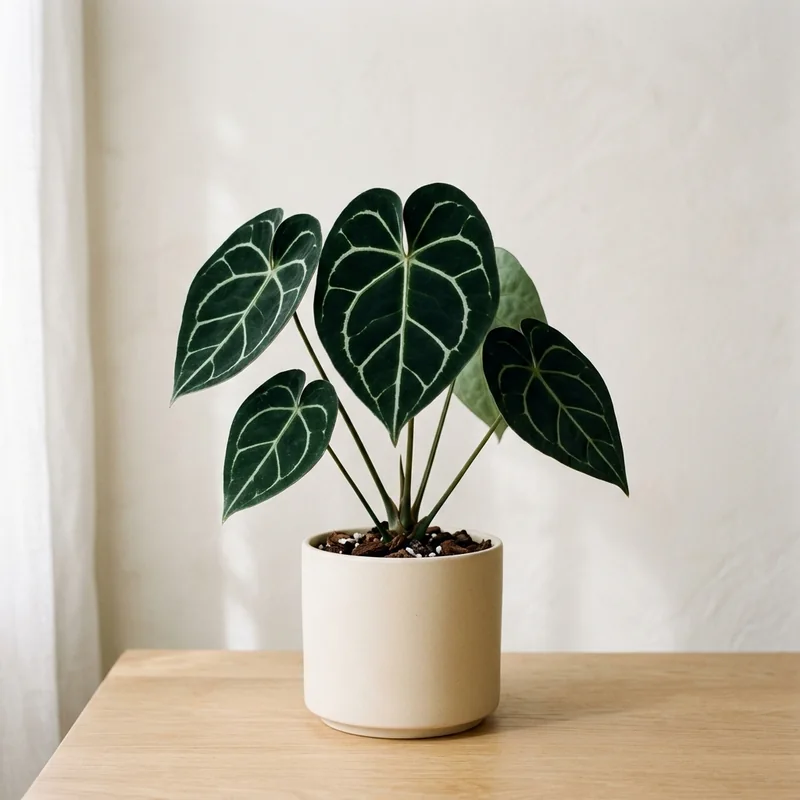
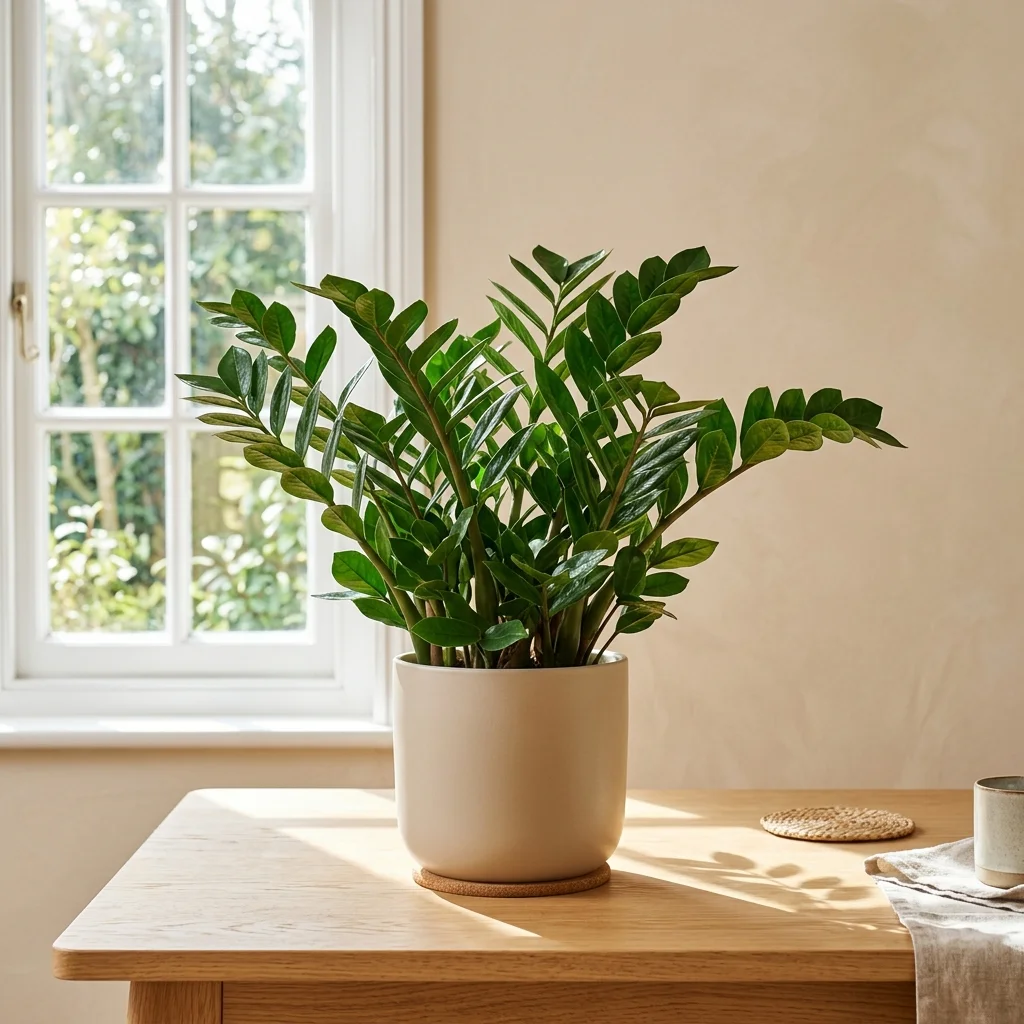
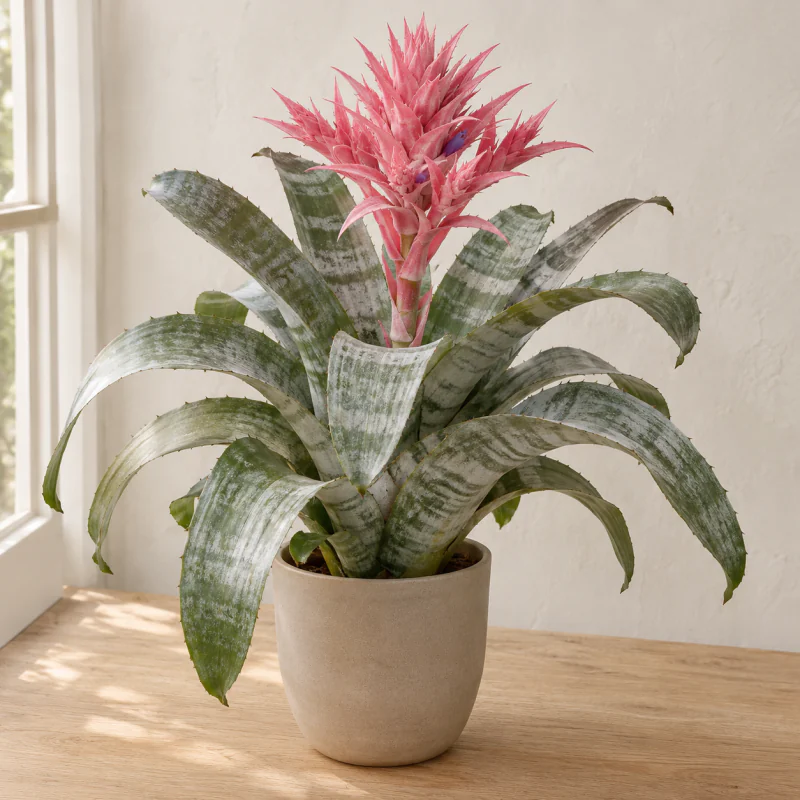
Flamingo flower (Pigtail anthurium)
Anthurium scherzerianumUpdated
Pigtail anthurium care: bright indirect light, watering, humidity and curly spadix. Botanical facts. In summer, check the soil every 5–7 days.
Essential care to help it thrive
Light and placement
Bright indirect light throughout the year. Ample light promotes steady blooms; shield from harsh direct sun.
Climate and season
Warm household climate (18-24 °C / 65-75 °F) with moderate to high humidity. Avoid cold drafts and radiators.
Soil and repotting
Use an airy, draining mix and a pot with drainage holes. Match pot size to the root ball so excess mix does not remain wet. Feed only during active growth and follow the product label. Correct damaged roots or poor light before fertilising.
Conditions vary with pot, season and location. Always check the mix and your plant's response.
Flamingo flower (Pigtail anthurium): when to check the soil
Water with tepid lime-free water when the top inch of mix dries out. Prefers an airy, free-draining orchid bark blend.
Let Grovia remind you when to check your Flamingo flower (Pigtail anthurium)Save the plant, get watering reminders and adjust the rhythm as the seasons change. Free on iPhone and Android.
See table by pot size
| Ø | Summer | Winter |
|---|---|---|
| 10 cm | 4–6 days | 8–12 days |
| 15 cm | 5–7 days | 11–15 days |
| 25 cm | 7–10 days | 14–20 days |
How to identify it
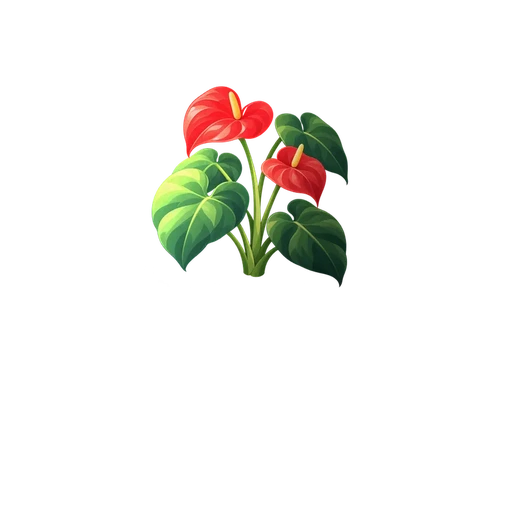
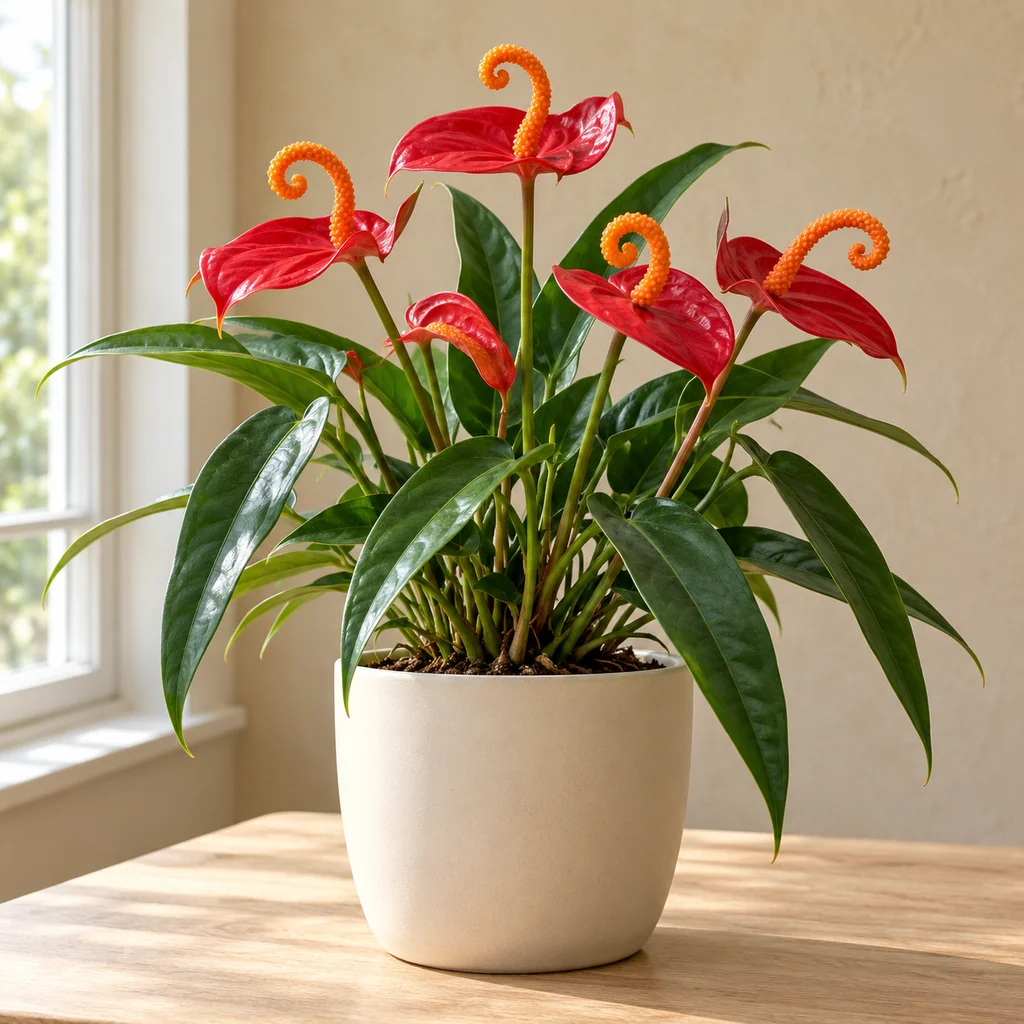
Compact tropical aroid bearing matte dark-green lanceolate leaves, brilliant scarlet-orange floral spathes, and a curled, pigtail-like spadix.
Botanical sheet
- Family
- Araceae
- Origin
- Costa Rica
- Size
- 30–45 cm
- Climate
- 18–26 °C · ≥ 15 °C
What's wrong with your plant?
Pet safety Toxic to pets
ASPCA lists this species as toxic to cats and dogs. Keep pets from chewing it; contact a veterinarian if ingestion is suspected.
Toxic principles and clinical signs quoted from the ASPCA database.
See the ASPCA entryCommon questions
Why is the center spike (spadix) curly instead of straight?
This curled, spiral spadix is the defining botanical signature of A. scherzerianum, earning it the nickname pigtail anthurium.