Bird's nest fern
Asplenium nidusUpdated
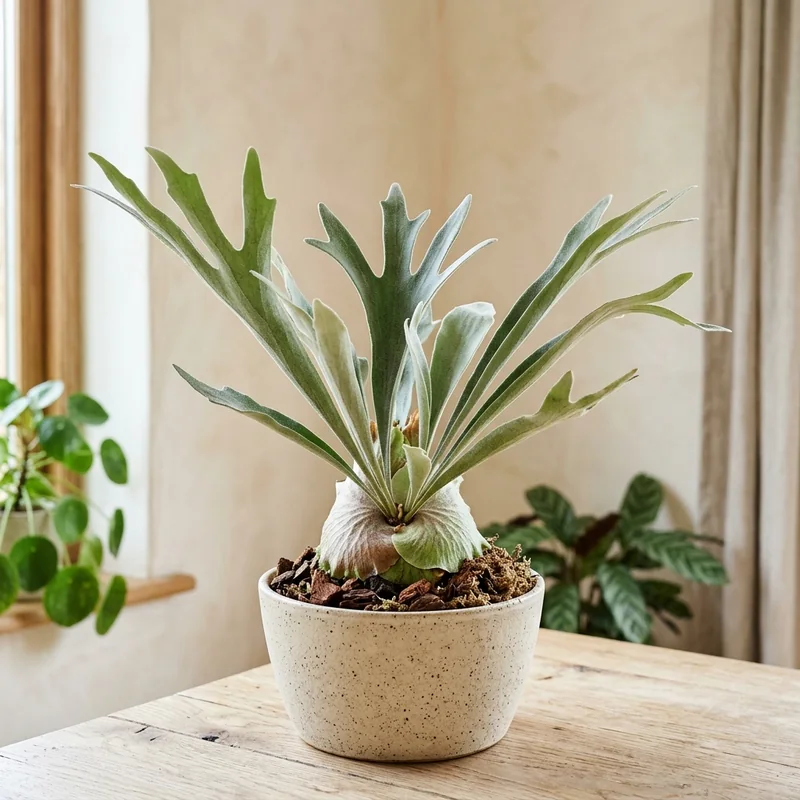
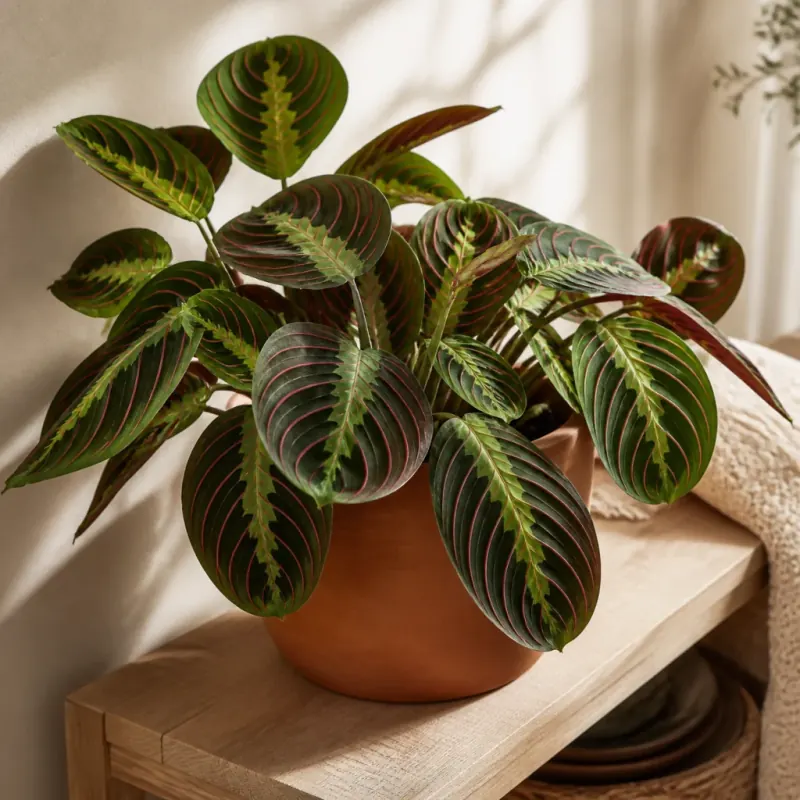
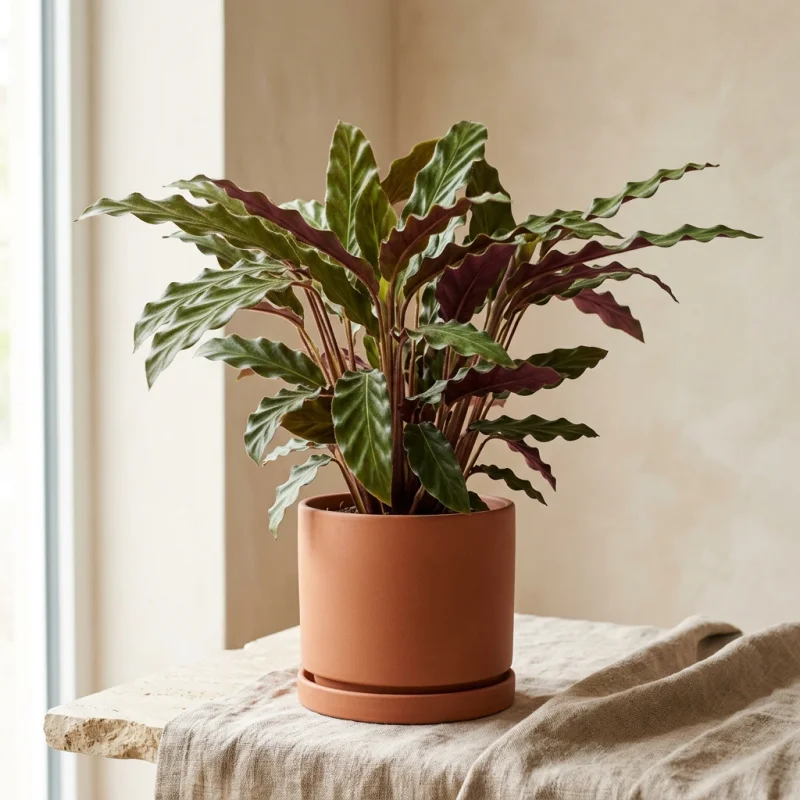
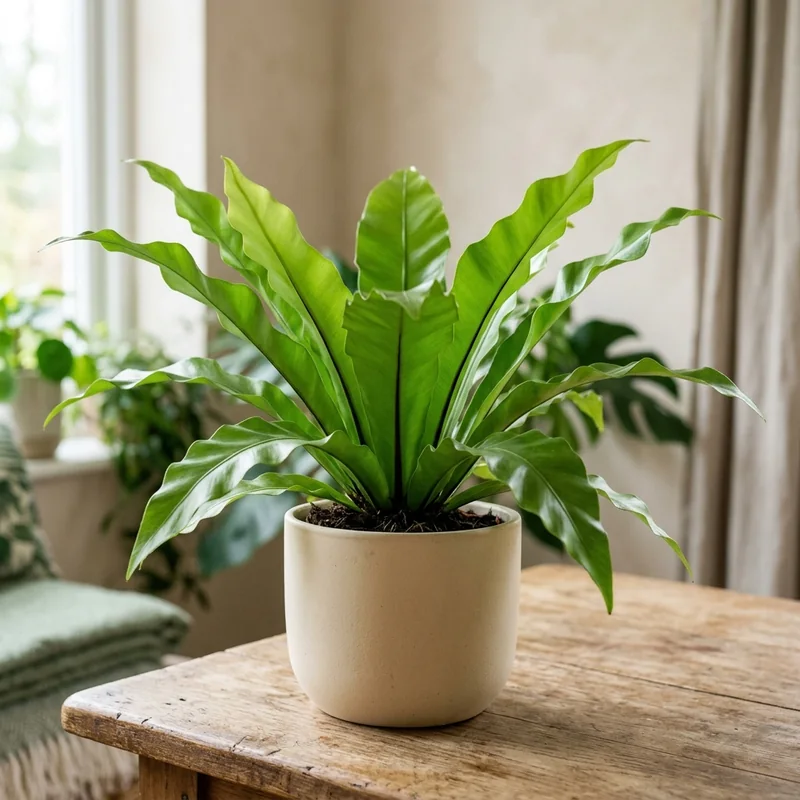
Tropical rosette fern prized for glossy, undivided apple-green fronds with wavy edges. Needs bright filtered light, steady warmth and watering around the crown.
Essential care to help it thrive
Light and placement
Position in bright indirect light or medium indoor shade. Harsh direct sun bleaches and scorches the glossy blades, while deep dark corners stall fresh growth.
Climate and season
Grows best at 16–25 °C (minimum 12 °C) with moderate humidity and occasional gentle misting. Keep well clear of hot drying radiators and cold winter drafts.
Soil and repotting
Blend three parts peat-free multipurpose compost with one part loam-based compost and added horticultural grit so moisture holds without clogging roots.
Conditions vary with pot, season and location. Always check the mix and your plant's response.
Bird's nest fern: when to check the soil
Check the compost regularly and keep it lightly moist, never sodden. Pour tepid water around the pot rim rather than into the central rosette to prevent rot.
Let Grovia remind you when to check your Bird's nest fernSave the plant, get watering reminders and adjust the rhythm as the seasons change. Free on iPhone and Android.
See table by pot size
| Ø | Summer | Winter |
|---|---|---|
| 10 cm | 3–4 days | 5–7 days |
| 15 cm | 3–5 days | 7–9 days |
| 25 cm | 4–6 days | 9–12 days |
How to identify it
Evergreen tufted fern rising from a short erect rhizome into an open funnel-shaped rosette of broad, slightly leathery, undivided bright green fronds.
Botanical sheet
- Family
- Aspleniaceae
- Origin
- Old World Tropics
- Size
- 0.5–1.5 m rosette
- Climate
- 16–25 °C · min. 12 °C
What's wrong with your plant?
Pet safety Toxicity unverified
There is no species-specific toxicity verification for this plant on ASPCA. Check with your veterinarian or search the ASPCA directory before keeping it within reach of pets.
Open the toxicity checkerCommon questions
Should I water directly into the bird's nest centre?
No: trapped water in the tight central rosette invites crown rot and kills emerging fiddleheads. Always water around the outer edge onto the soil.
Should I trim back brown frond margins?
Only cut dead or completely yellowed fronds cleanly at the base; lightly trim dry brown tips following the natural pointed blade shape.
How much fertiliser does an indoor Asplenium nidus need?
Feed monthly from May to August with a half-strength general liquid fertiliser, then skip feeding completely through autumn and winter.