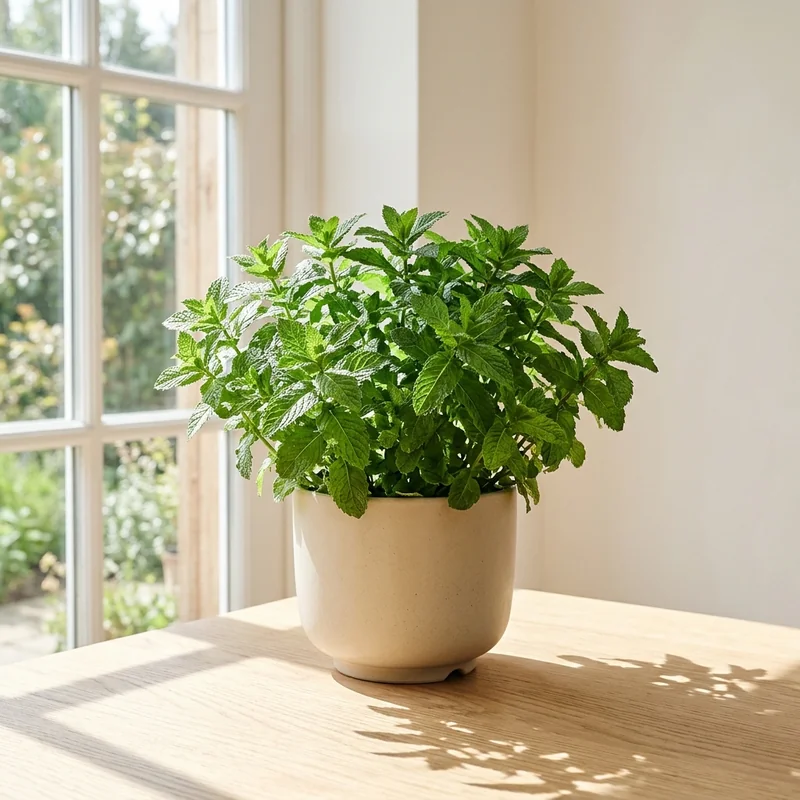
Coriander / Cilantro
Coriandrum sativumUpdated
Fast-growing annual culinary herb loved for bright leafy harvests and verified ASPCA pet safety. Thrives in deep containers, mild partial shade, and even soil moisture.
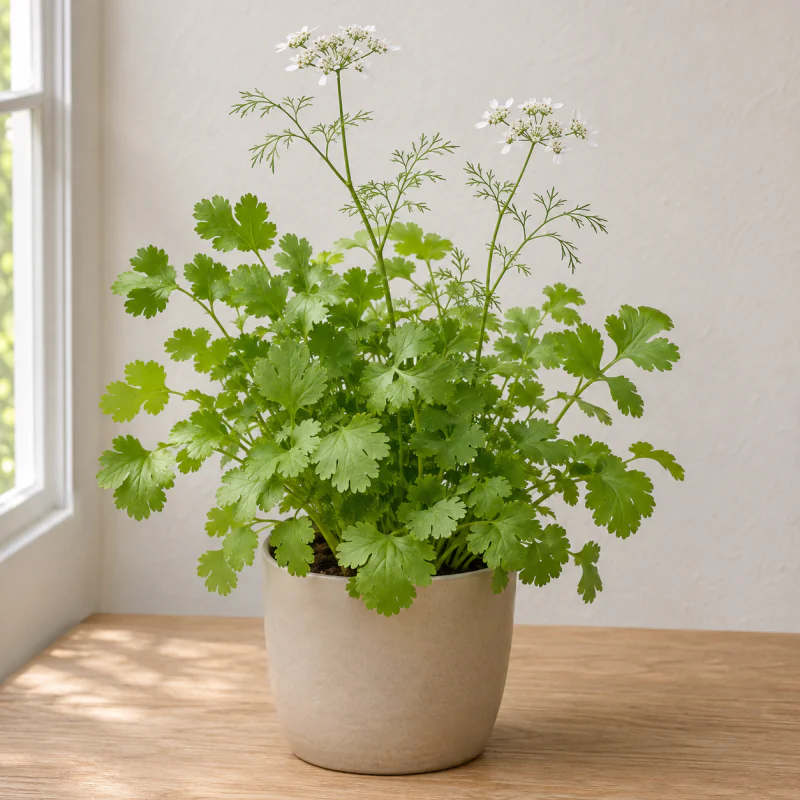
Essential care to help it thrive
Light and placement
Grow in gentle morning sun with bright afternoon shade during summer when harvesting foliage; scorching full sun pushes rapid bolting and tough feathery stalks.
Climate and season
Excels during mild spring and autumn weather at 10–24 °C and withstands light freezes to -10 °C; sow small succession pots for fresh leafy harvests.
Soil and repotting
Choose a deep roomy pot to accommodate long taproots filled with fertile, free-draining humus-rich potting compost.
Conditions vary with pot, season and location. Always check the mix and your plant's response.
Coriander / Cilantro: when to check the soil
Keep compost lightly moist by watering as soon as the very surface starts drying: drought spells quickly stress taproots and trigger instant premature flowering.
Let Grovia remind you when to check your Coriander / CilantroSave the plant, get watering reminders and adjust the rhythm as the seasons change. Free on iPhone and Android.
See table by pot size
| Ø | Summer | Winter |
|---|---|---|
| 10 cm | 4–5 days | 7–10 days |
| 15 cm | 5–6 days | 9–13 days |
| 25 cm | 6–9 days | 12–17 days |
How to identify it
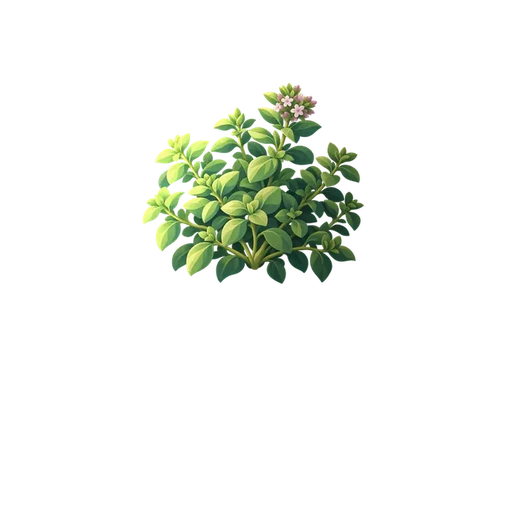
Tender aromatic annual bearing broad toothed lower foliage, finely feathery upper leaves, white-pink summer umbels, and round aromatic fruits.
Botanical sheet
- Family
- Apiaceae
- Origin
- Mediterranean Basin to Central Asia
- Size
- 20–50 cm upright clump
- Climate
- 10–24 °C · min -10 °C
What's wrong with your plant?
Pet safety Pet-friendly
ASPCA lists this species as non-toxic to cats and dogs. Even so, prevent heavy chewing or ingestion of potting mix or fertiliser.
See the ASPCA entryCommon questions
Why should Coriander seeds be sown directly rather than transplanted?
Coriander relies on a deep fragile taproot that resents disturbance; transplanting snaps fine anchor roots and quickly forces young seedlings to bolt early.
Should Cilantro sit in full sun or partial shade on a terrace?
Partial shade yields lush leafy harvests much longer in warm weather, whereas full sun suits plants grown specifically to set aromatic coriander seeds.
How can you keep fresh leaves coming across mild growing seasons?
Pick crisp outer stems regularly while sowing fresh pinches of slow-bolting cultivars like 'Calypso' or 'Slow Bolt' in separate cool balcony containers.