Chives (Allium schoenoprasum)
Allium schoenoprasumUpdated
Hardy bulbous herb with hollow onion-scented shoots and lilac pom-pom blooms. Loves full sun, moist well-drained soil and strict isolation from pets.
Essential care to help it thrive
Light and placement
Give full sun outdoors or the sunniest ventilated windowsill available; dim kitchens make hollow blades flop limp, pale and flavorless within days.
Climate and season
Extremely cold-hardy down to -15 °C outdoors (RHS H6) where clumps die back briefly in winter and sprout cleanly in spring; dislikes hot stagnant indoor heaters.
Soil and repotting
Loamy compost-rich potting soil cut with one-third coarse perlite or grit to shield bulbs from rot.
Conditions vary with pot, season and location. Always check the mix and your plant's response.
Chives (Allium schoenoprasum): when to check the soil
Check every 3–5 days in active spring and summer growth to keep compost lightly moist yet sharply drained so crowded bulbs never stay soggy.
Let Grovia remind you when to check your Chives (Allium schoenoprasum)Save the plant, get watering reminders and adjust the rhythm as the seasons change. Free on iPhone and Android.
See table by pot size
| Ø | Summer | Winter |
|---|---|---|
| 10 cm | 4–5 days | 7–10 days |
| 15 cm | 5–6 days | 9–13 days |
| 25 cm | 6–9 days | 12–17 days |
How to identify it
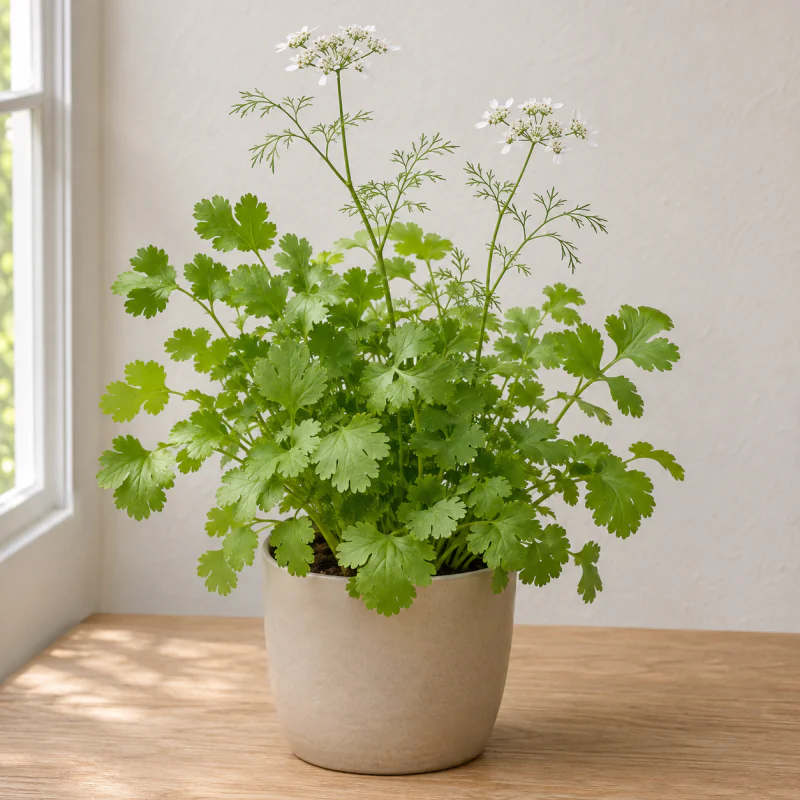
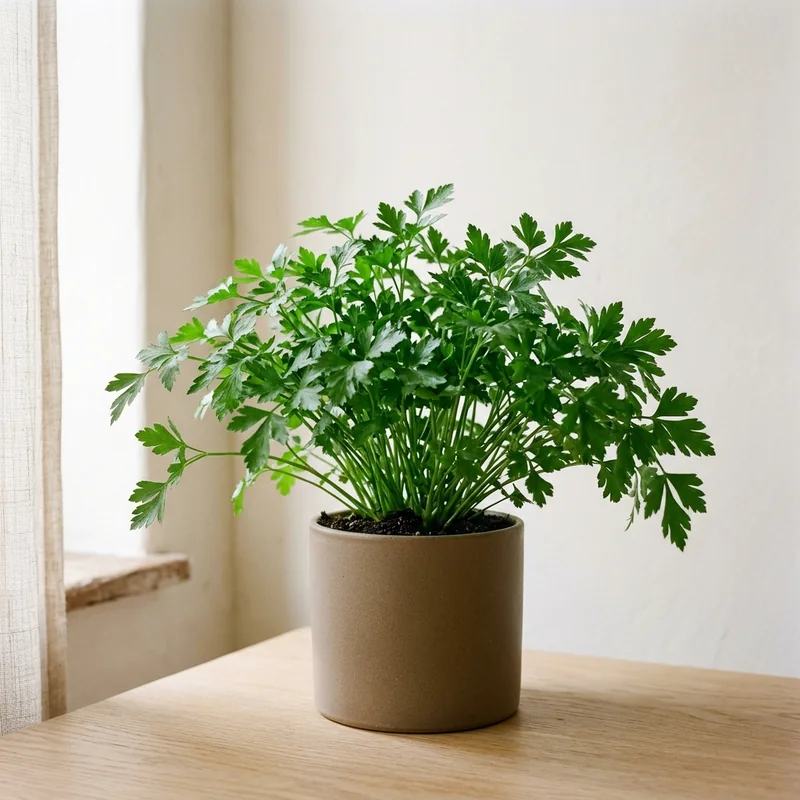
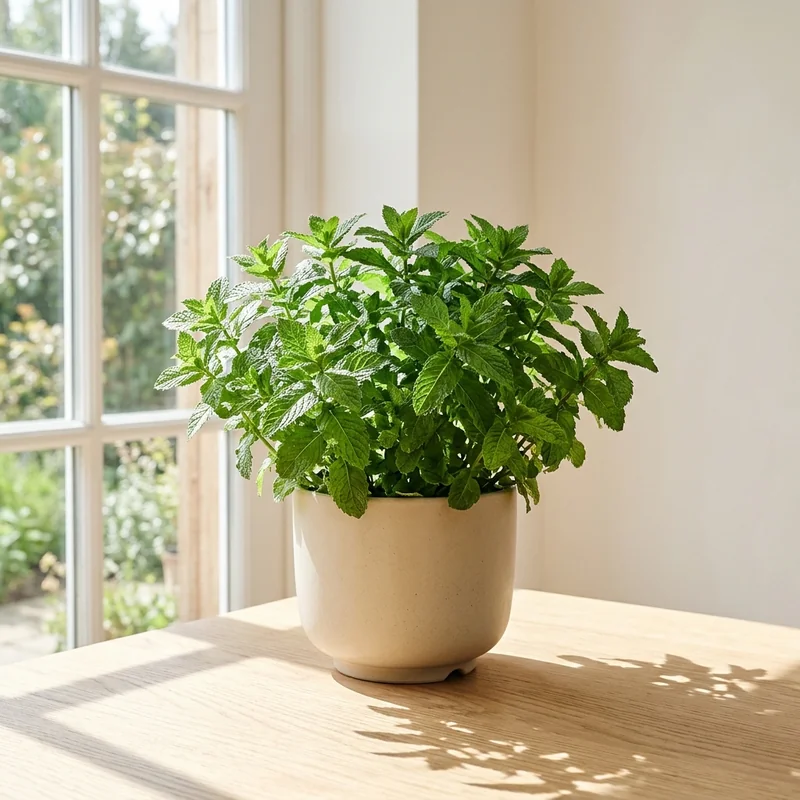
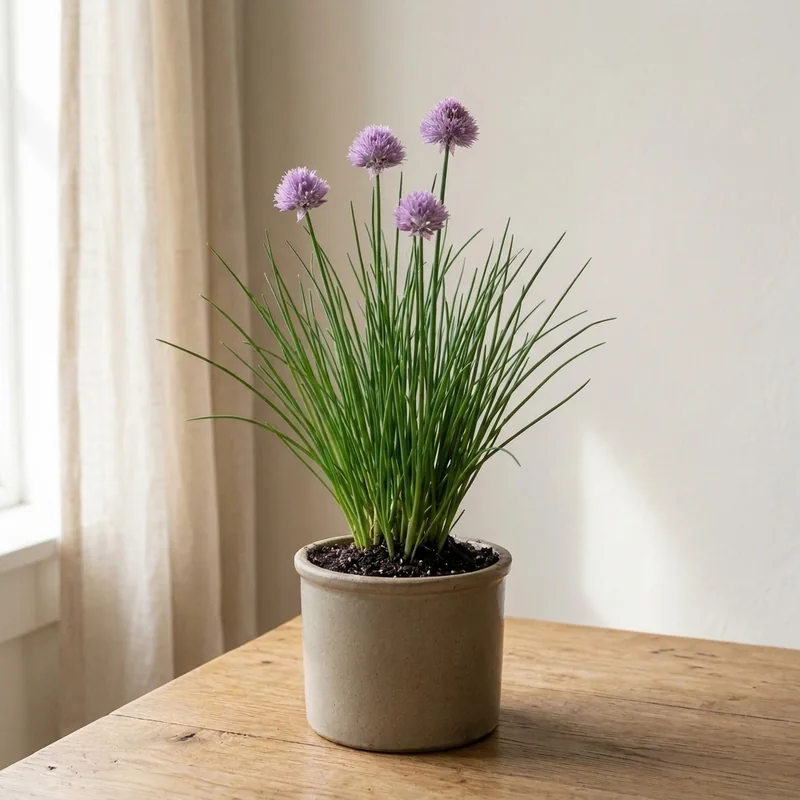
Dense clump of slender hollow cylindrical green onion-scented leaves rising from small clustered bulbs, crowned in late spring with round lavender-purple flower umbels.
Botanical sheet
- Family
- Amaryllidaceae
- Origin
- Temperate Northern Hemisphere
- Size
- 20–30 cm clump
- Climate
- 10–24 °C · min -15 °C
What's wrong with your plant?
Pet safety Toxic to pets
ASPCA lists this species as toxic to cats and dogs. Keep pets from chewing it; contact a veterinarian if ingestion is suspected.
Toxic principles and clinical signs quoted from the ASPCA database.
See the ASPCA entryCommon questions
Why are chives toxic to dogs and cats indoors?
Allium species contain N-propyl disulfide; ASPCA warns chives are toxic to dogs, cats and horses, causing vomiting, weakness and red blood cell breakdown (hemolytic anemia).
Are both chive leaves and purple flowers edible for humans?
Yes: RHS confirms both hollow stems and nectar-rich lavender blooms are tasty culinary additions while supporting bees outdoors.
How low should I trim chives when harvesting?
Snip outer bundles down to about 4–5 cm above the pot rim so fresh blades regrow cleanly; cut flower stalks early for softer leaves.