String of nickels (Dischidia)
Dischidia nummulariaUpdated
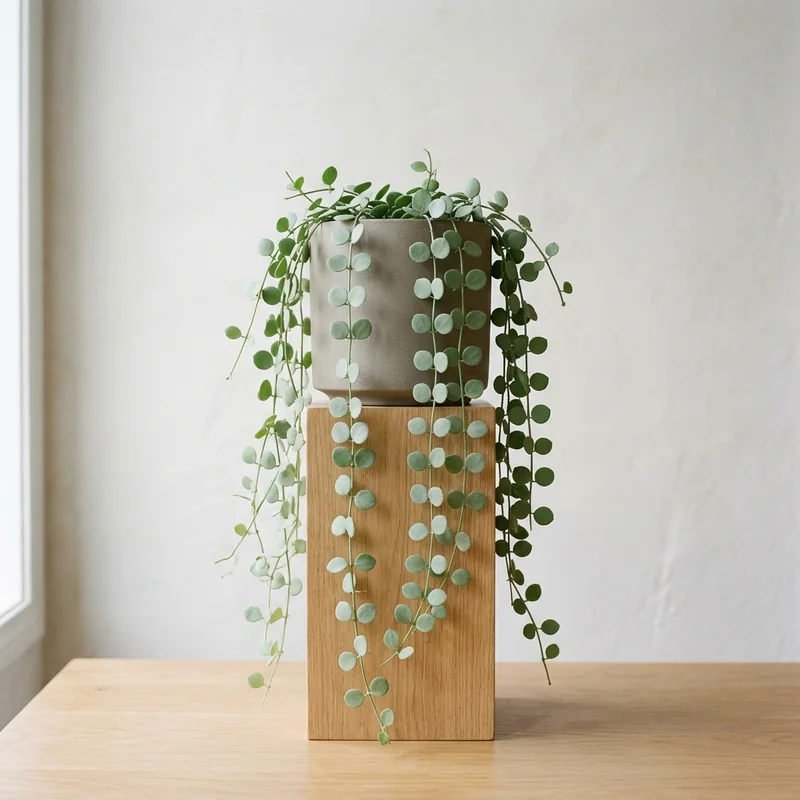
Delicate tropical epiphyte cascading in paired flat round fleshy silver-green leaves. Needs bright indirect sun, chunky airy bark, and dry spells between drinks.
Essential care to help it thrive
Light and placement
Grow in bright indirect window light so internodes stay tight and powdery gray-green; fierce direct midday rays bleach foliage, while shade stretches vines.
Climate and season
Hold warm frost-free conditions with light to moderate humidity and steady indoor airflow; cold wet rooms quickly stall delicate epiphytic roots.
Soil and repotting
Small shallow hanging pot filled with airy epiphytic blend of fine orchid bark, perlite, and light coco chunks.
Conditions vary with pot, season and location. Always check the mix and your plant's response.
String of nickels (Dischidia): when to check the soil
Fleshy coin blades store moisture cleanly, so wait until airy bark compost dries well before soaking briefly and letting excess drain right through.
Let Grovia remind you when to check your String of nickels (Dischidia)Save the plant, get watering reminders and adjust the rhythm as the seasons change. Free on iPhone and Android.
See table by pot size
| Ø | Summer | Winter |
|---|---|---|
| 10 cm | 4–5 days | 7–10 days |
| 15 cm | 5–6 days | 9–13 days |
| 25 cm | 6–9 days | 12–17 days |
How to identify it
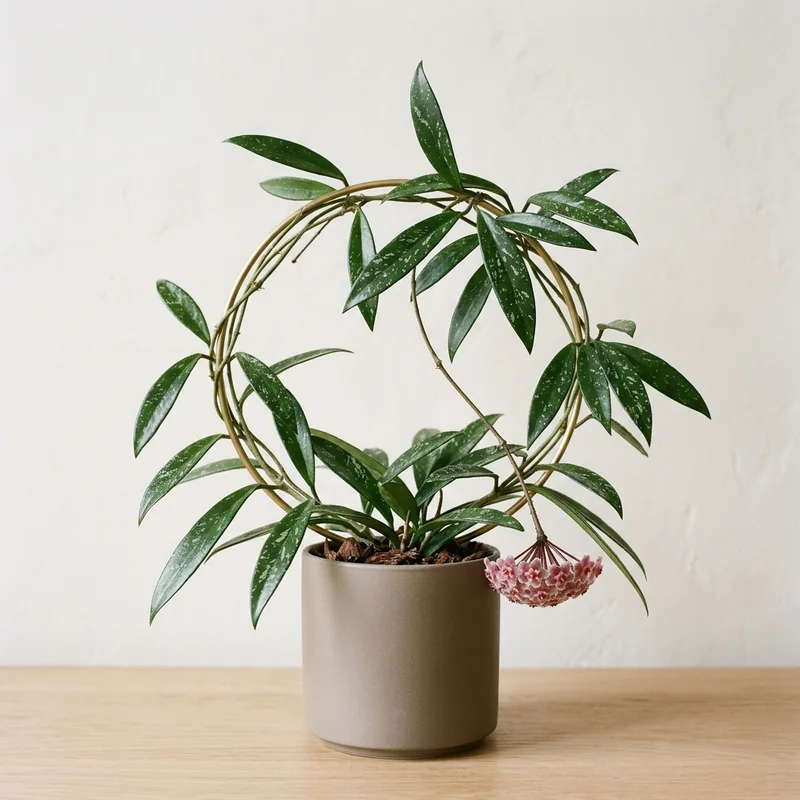
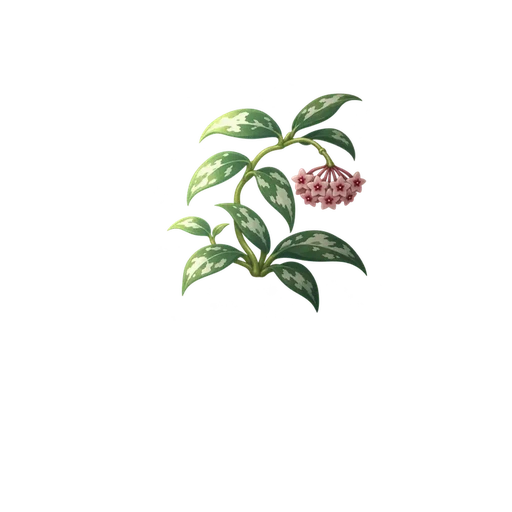
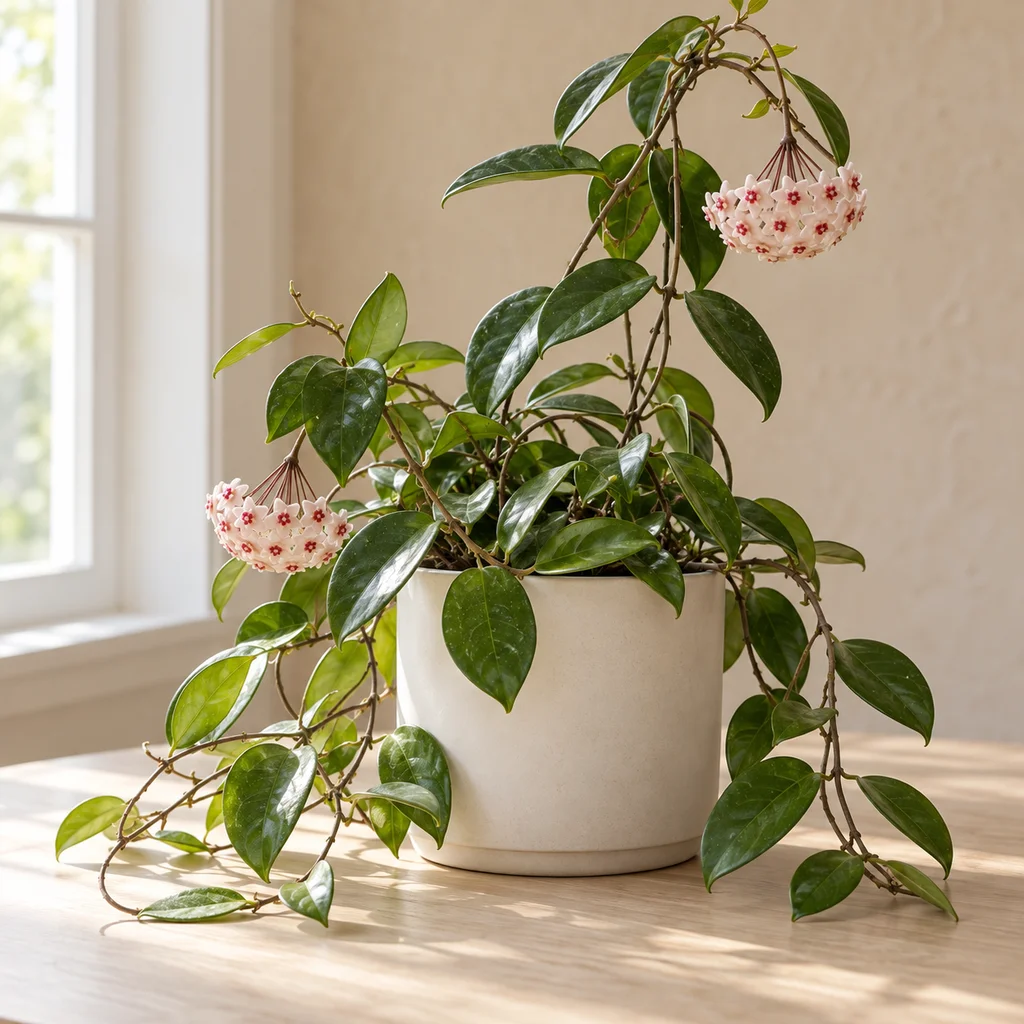
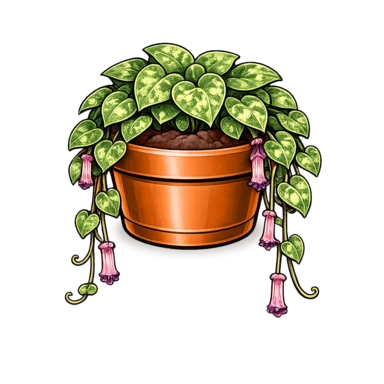
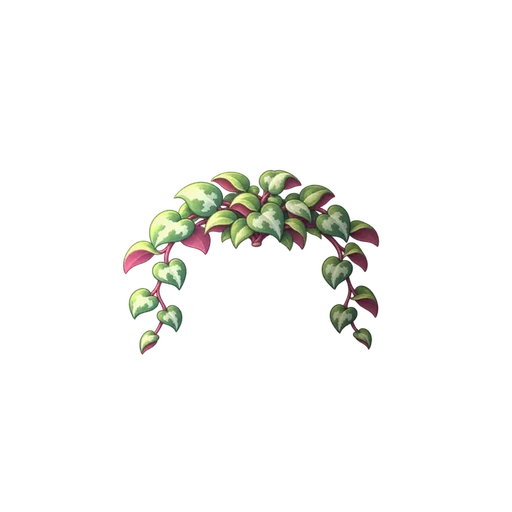
Thread-like trailing stems lined with opposing pairs of flat round succulent dusty-sage blades resembling tiny silver coins.
Botanical sheet
- Family
- Apocynaceae
- Origin
- Indomalaya to northern Australia
- Size
- ≈ 30–120 cm · Trailing delicate epiphyte
- Climate
- ≈ 18–27 °C · ≥ 15 °C · Warm frost-free indoors
Approximate figures: reference sources do not publish exact data for this species.
What's wrong with your plant?
Pet safety Toxicity unverified
There is no species-specific toxicity verification for this plant on ASPCA. Check with your veterinarian or search the ASPCA directory before keeping it within reach of pets.
Open the toxicity checkerCommon questions
Why does String of Nickels fail in regular houseplant soil?
Dischidia nummularia grows on tree trunks in nature with hair-fine epiphytic roots; dense potting compost stays wet too long and suffocates them quickly.
How is Dischidia nummularia different from String of Pearls?
String of nickels bears flat disc-like leaves in neat opposite pairs along fine woody-wiry stems, rather than round spherical peas on succulent runners.
How should you handle white milky sap if a stem snaps?
Like other Apocynaceae vines, broken stems bleed mild milky latex—simply blot gently and wash hands afterward, keeping vines clear of curious pets.