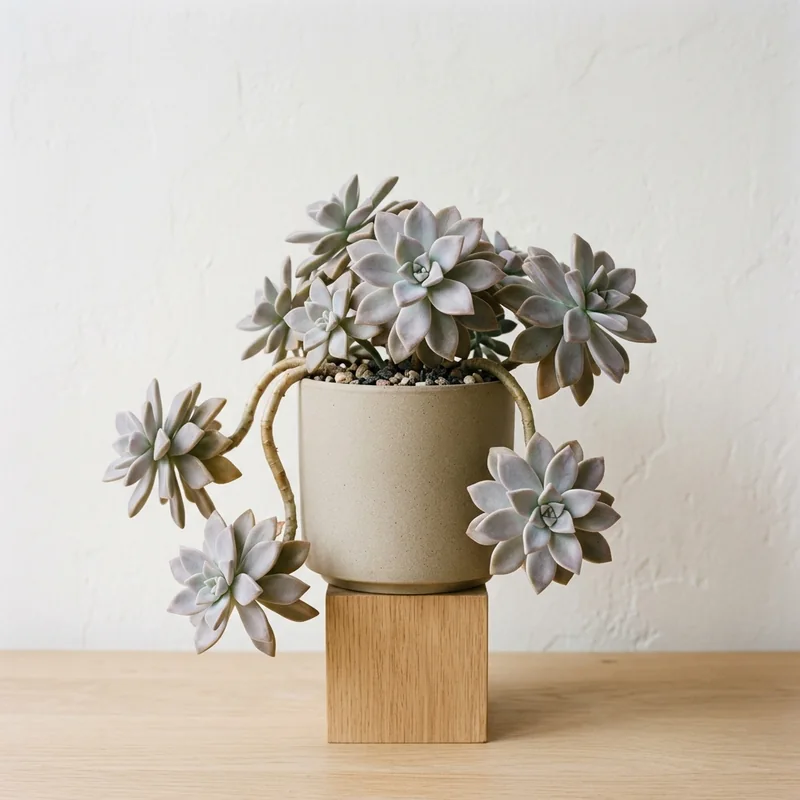
Colored echeveria
Echeveria colorataUpdated
Echeveria colorata care: succulent light, watering guide, farina protection and pink tips. In summer, check the soil every 9–12 days.
Essential care to help it thrive
Light and placement
Full direct sun. Generous daily direct sunlight is necessary to intensify the bold pink and crimson leaf points.
Climate and season
Warm, arid, well-ventilated location. Protect from frost and freezing rain; thrives in low indoor humidity.
Soil and repotting
Prioritise a very free-draining mix and a pot with holes. Heavy mix that remains wet for weeks raises root risk. Feed sparingly during active growth if needed; do not fertilise a plant weakened by overwatering.
Conditions vary with pot, season and location. Always check the mix and your plant's response.
Colored echeveria: when to check the soil
Soak and dry method; water only when the porous mineral mix is bone dry. Never allow water to pool in the center.
Let Grovia remind you when to check your Colored echeveriaSave the plant, get watering reminders and adjust the rhythm as the seasons change. Free on iPhone and Android.
See table by pot size
| Ø | Summer | Winter |
|---|---|---|
| 10 cm | 7–10 days | 14–19 days |
| 15 cm | 9–12 days | 17–24 days |
| 25 cm | 11–16 days | 23–32 days |
How to identify it
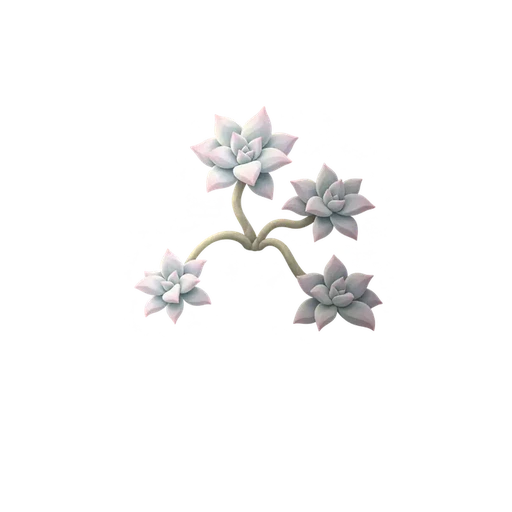
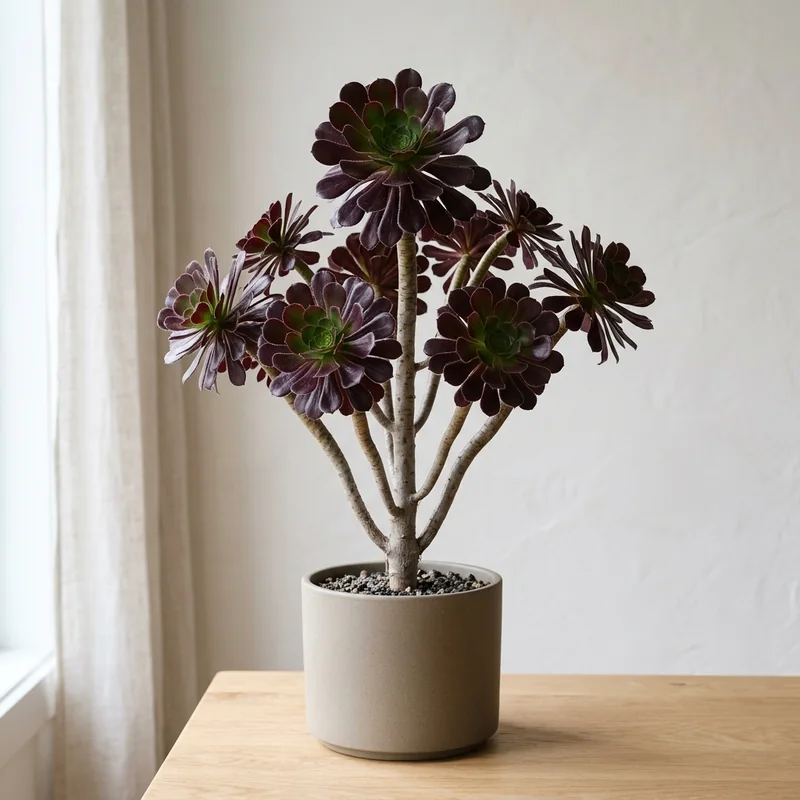
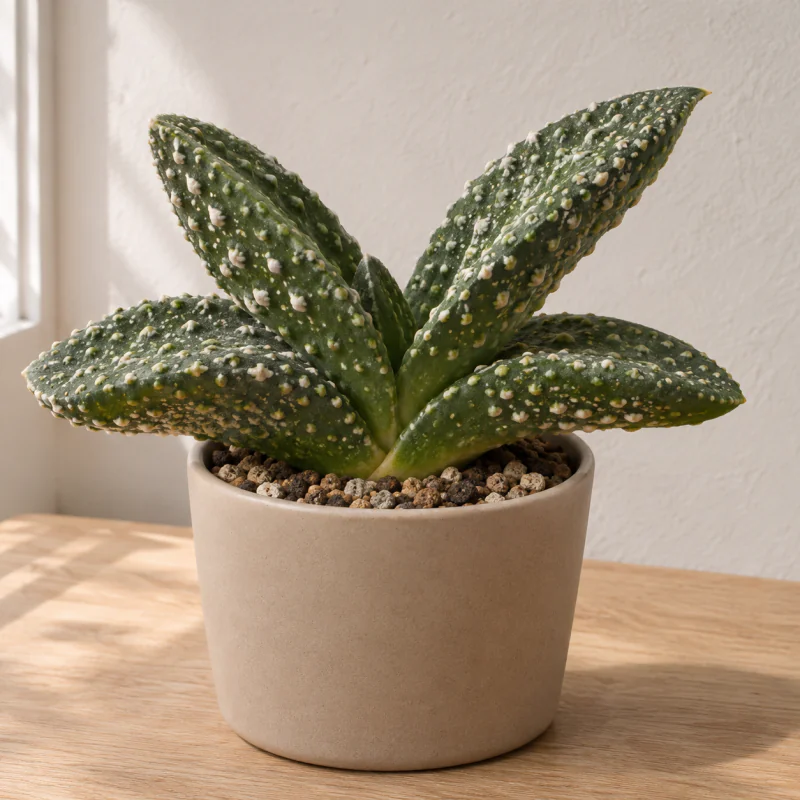
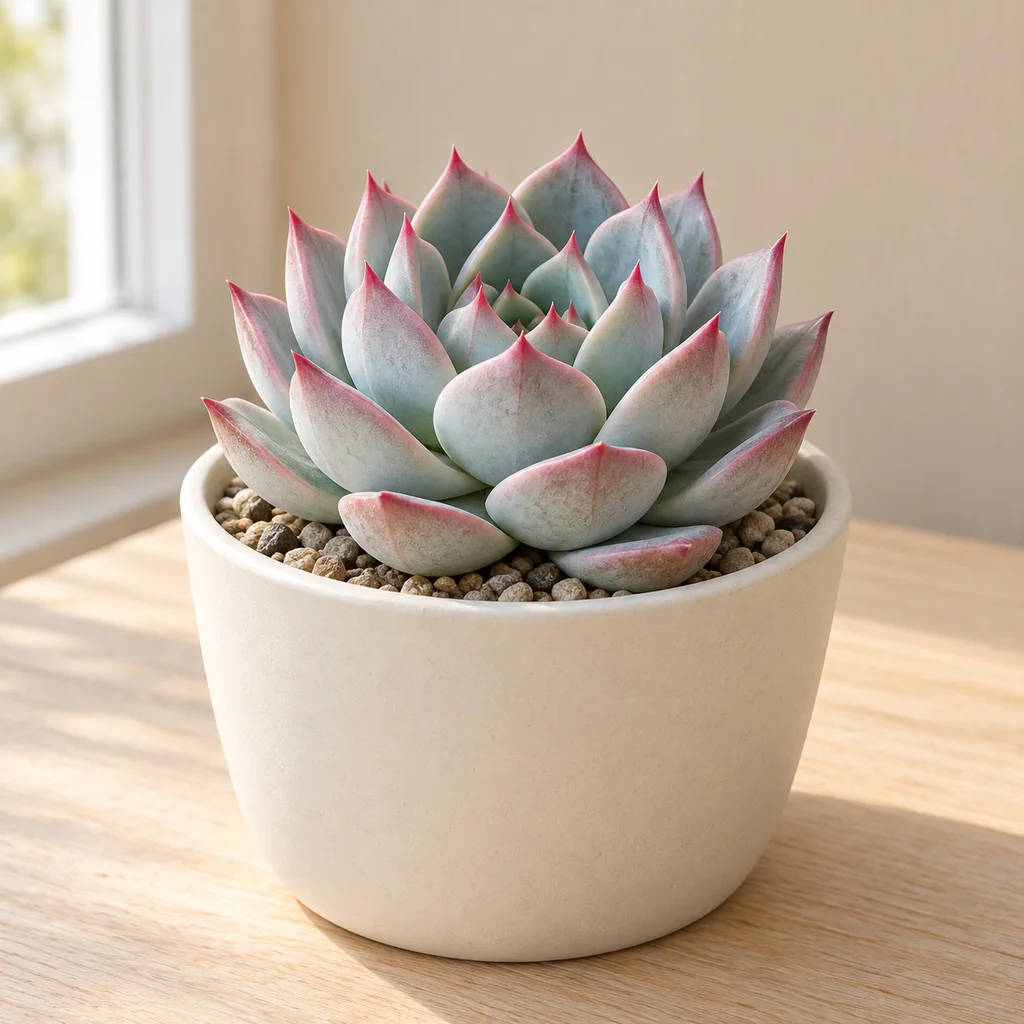
Stunning succulent forming solitary rosettes of silvery-blue lanceolate leaves dusted in powdery farina with sharp, vivid reddish-pink tips.
Botanical sheet
- Family
- Crassulaceae
- Origin
- Mexico
- Size
- 15–30 cm
- Climate
- 15–26 °C · ≥ 3 °C
What's wrong with your plant?
Pet safety Toxicity unverified
There is no species-specific toxicity verification for this plant on ASPCA. Check with your veterinarian or search the ASPCA directory before keeping it within reach of pets.
Open the toxicity checkerCommon questions
What is the powdery white coating on the leaves?
It is farina (epicuticular wax), a natural shield against intense sunlight and dehydration; avoid touching leaves to preserve it.