
Plants
Dragon tail plant care: light, water & problems
Scientific name: Epipremnum pinnatum · Common name: Dragon tail plant
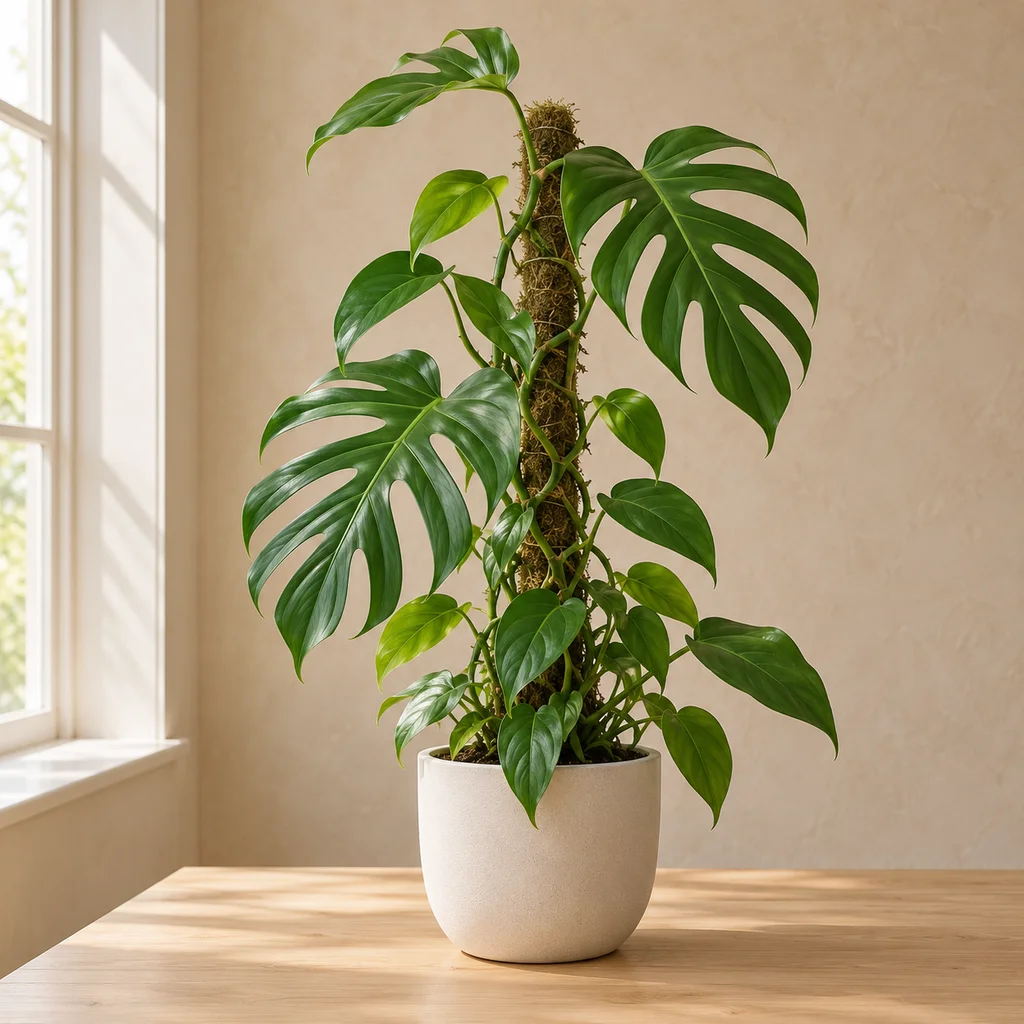
A climber with glossy, heart-shaped juvenile leaves; maturity and support can bring larger, deeply lobed foliage.
Editorial revision:
Care at a glance
- Light
- Give ample filtered light without suddenly exposing it to harsh sun.
- Watering
- Check the mix regularly in active growth; water when needed and let excess drain. Reduce watering in winter.
How to identify it
A climber with glossy, heart-shaped juvenile leaves; maturity and support can bring larger, deeply lobed foliage.
Light
Give ample filtered light without suddenly exposing it to harsh sun.
Watering
Check the mix regularly in active growth; water when needed and let excess drain. Reduce watering in winter.
Conditions vary with pot, season and location. Always check the mix and your plant's response.
Environment and placement
Allow stems to trail or provide support if you want larger mature leaves.
Potting mix and feeding
Use an airy, draining mix and a pot with drainage holes. Match pot size to the root ball so excess mix does not remain wet.
Feed only during active growth and follow the product label. Correct damaged roots or poor light before fertilising.
Problems to check
If leaves pale or stems weaken, check light, roots and moisture before feeding.
How to assess yellow leavesCommon question
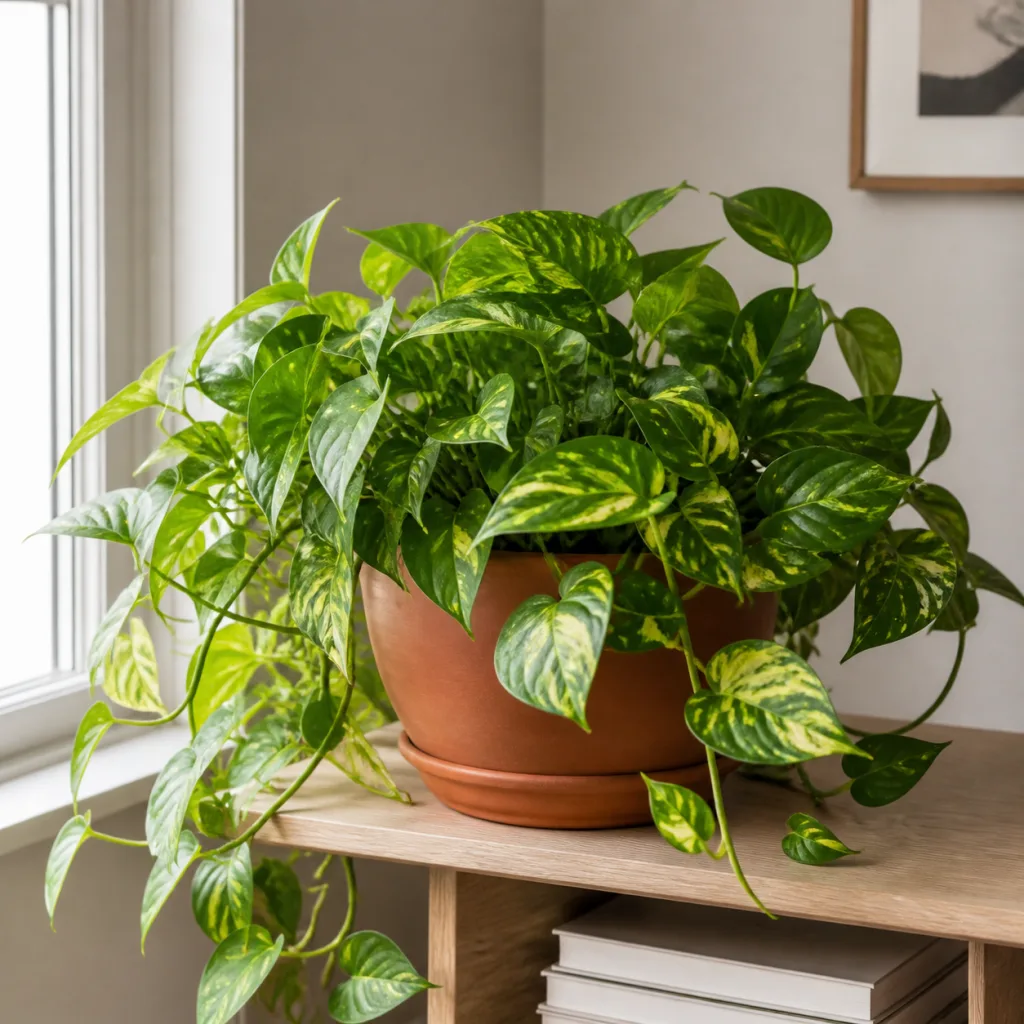
Is it identical to golden pothos?
No. Epipremnum pinnatum and Epipremnum aureum have distinct scientific names and profiles.
Botanical source
Related species
 Golden pothosEpipremnum aureumRead guide →
 Adanson's monsteraMonstera adansoniiRead guide →
 Mini monsteraRhaphidophora tetraspermaRead guide →