Gerbera daisy
Gerbera jamesoniiUpdated
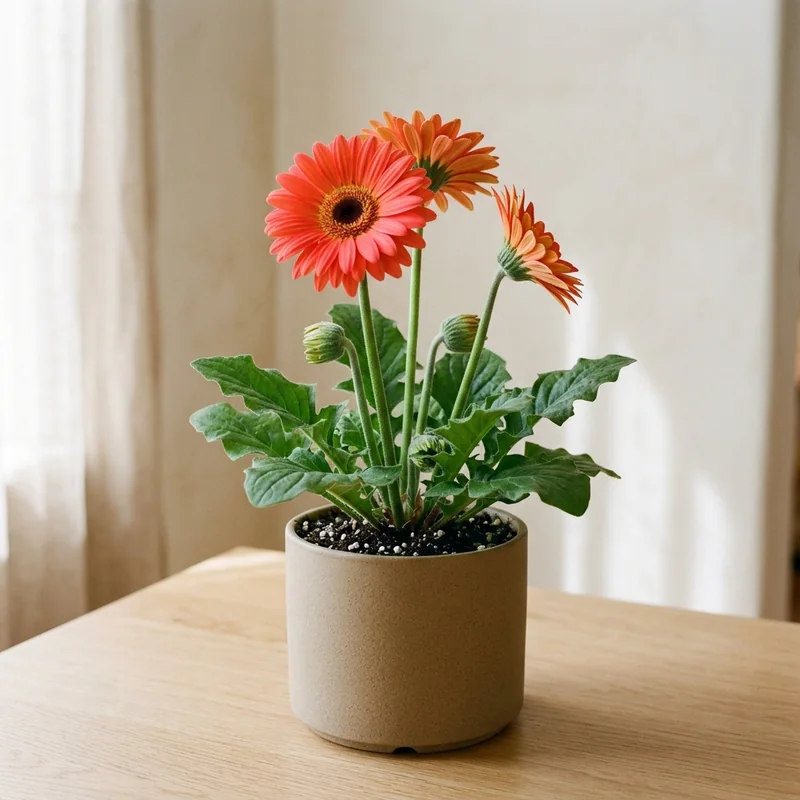
Vibrant pet-safe South African daisy prized for bold long-stemmed blooms rising from lobed rosettes. Thrives in bright daylight, gritty drainage and strictly dry crowns.
Essential care to help it thrive
Light and placement
Give bright sunlight for strong stems and steady flowering, shading lightly from fierce summer afternoon heat so blooms keep crisp and foliage never wilts.
Climate and season
Prefers cool airy rooms (10–24 °C) safely above 5 °C. Stale damp indoor air quickly encourages powdery mildew and grey mold on fuzzy leaves and buds.
Soil and repotting
Pot in a deep draining container using an organically rich peat-free potting mix lightened with perlite or grit, keeping the plant crown perched just above soil level.
Conditions vary with pot, season and location. Always check the mix and your plant's response.
Gerbera daisy: when to check the soil
Check the upper 2–3 cm every 4–7 days in active bloom (9–12 days in cool winter) and water gently around the pot rim so the fuzzy central crown stays dry.
Let Grovia remind you when to check your Gerbera daisySave the plant, get watering reminders and adjust the rhythm as the seasons change. Free on iPhone and Android.
See table by pot size
| Ø | Summer | Winter |
|---|---|---|
| 10 cm | 4–5 days | 7–10 days |
| 15 cm | 5–6 days | 9–13 days |
| 25 cm | 6–9 days | 12–17 days |
How to identify it
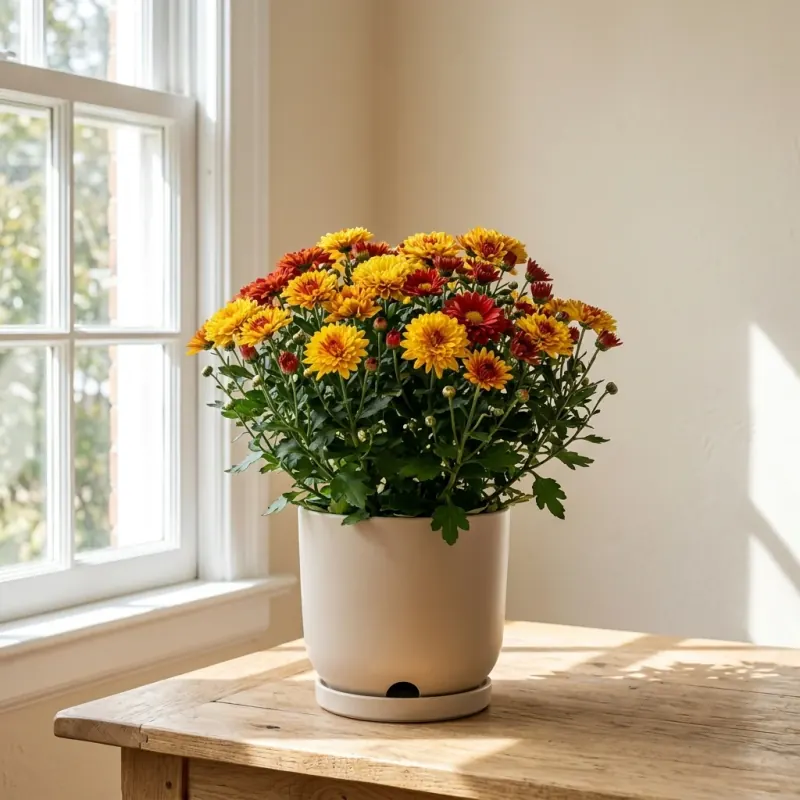
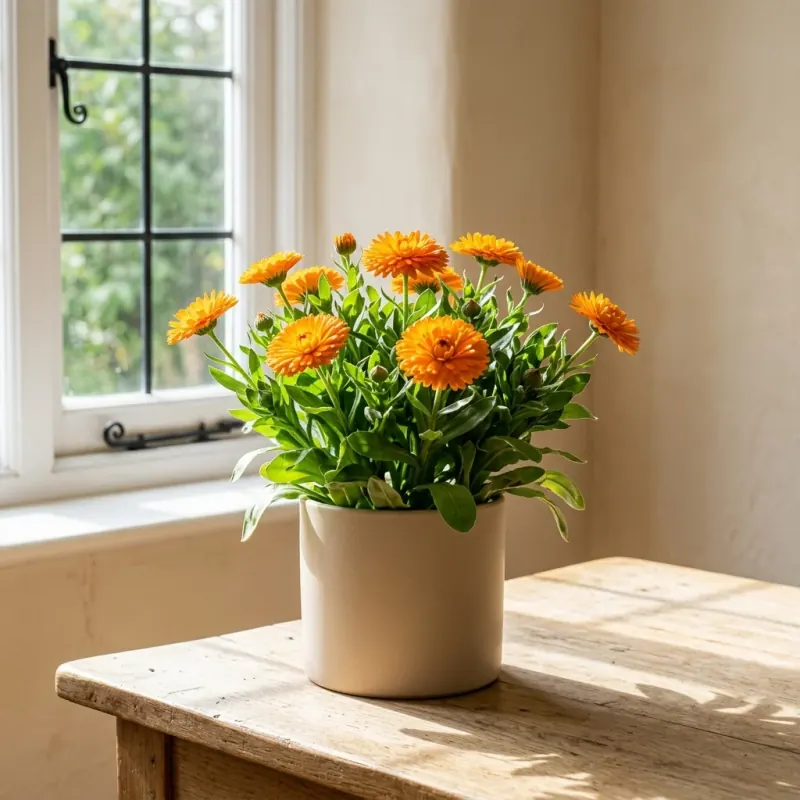
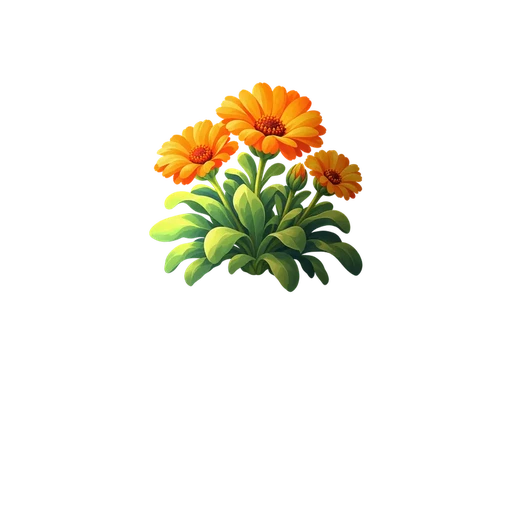
Stemless basal rosette of hairy lobed green leaves sending up fuzzy leafless stalks topped by large bright daisy blooms in coral, red, yellow, pink or white.
Botanical sheet
- Family
- Asteraceae
- Origin
- South Africa · Eswatini
- Size
- 30–45 cm tall
- Climate
- 10–24 °C · min. 5 °C
What's wrong with your plant?
Pet safety Pet-friendly
ASPCA lists this species as non-toxic to cats and dogs. Even so, prevent heavy chewing or ingestion of potting mix or fertiliser.
See the ASPCA entryCommon questions
How should I water a potted gerbera daisy without rotting it?
Always pour water along the inner pot rim—or water briefly from the saucer—keeping the fuzzy crown dry and slightly above soil level in airy compost.
Where should I cut faded gerbera flowers?
Remove the entire spent flower stalk cleanly from the base rather than leaving short stubs that trap moisture and invite gray mold.
Is Gerbera jamesonii safe for cats and dogs?
Yes. ASPCA confirms gerber daisy (Gerbera jamesonii) is non-toxic to dogs, cats and horses.