Bay laurel
Laurus nobilisUpdated
Classic Mediterranean evergreen prized for aromatic culinary bay leaves and clipped pot forms. Thrives in bright sun, draining soil and away from pets.
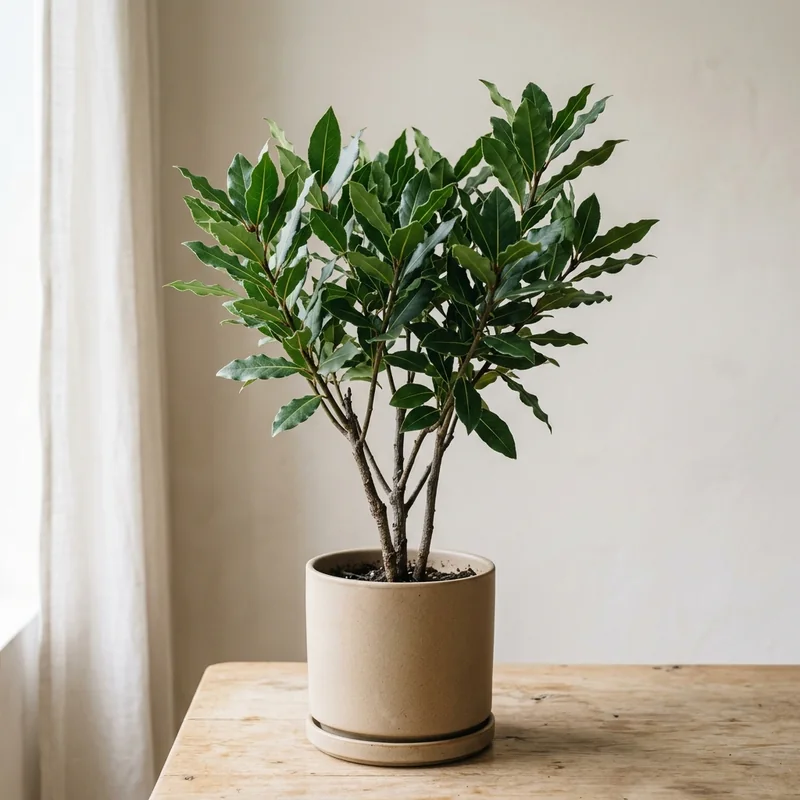
Essential care to help it thrive
Light and placement
Provide full sun to bright partial shade sheltered from freezing winds; potted bay trees also handle bright cool windowsills if indoor air stays fresh.
Climate and season
Tolerates brief frost to -5 °C when sheltered, thriving at 10–30 °C. Handles crisp summer clipping cleanly; wear gloves when pruning and avoid eating berries.
Soil and repotting
Pot in a sturdy draining container using fertile peat-free loam-based potting mix lightened with sharp grit or sand so winter water clears quickly.
Conditions vary with pot, season and location. Always check the mix and your plant's response.
Bay laurel: when to check the soil
Check until the upper 3–5 cm feels dry every 5–8 days in warm summer pots and soak thoroughly; cut watering back to every 12–16 days in cool winter.
Let Grovia remind you when to check your Bay laurelSave the plant, get watering reminders and adjust the rhythm as the seasons change. Free on iPhone and Android.
See table by pot size
| Ø | Summer | Winter |
|---|---|---|
| 10 cm | 5–7 days | 10–13 days |
| 15 cm | 6–8 days | 12–17 days |
| 25 cm | 8–11 days | 16–22 days |
How to identify it
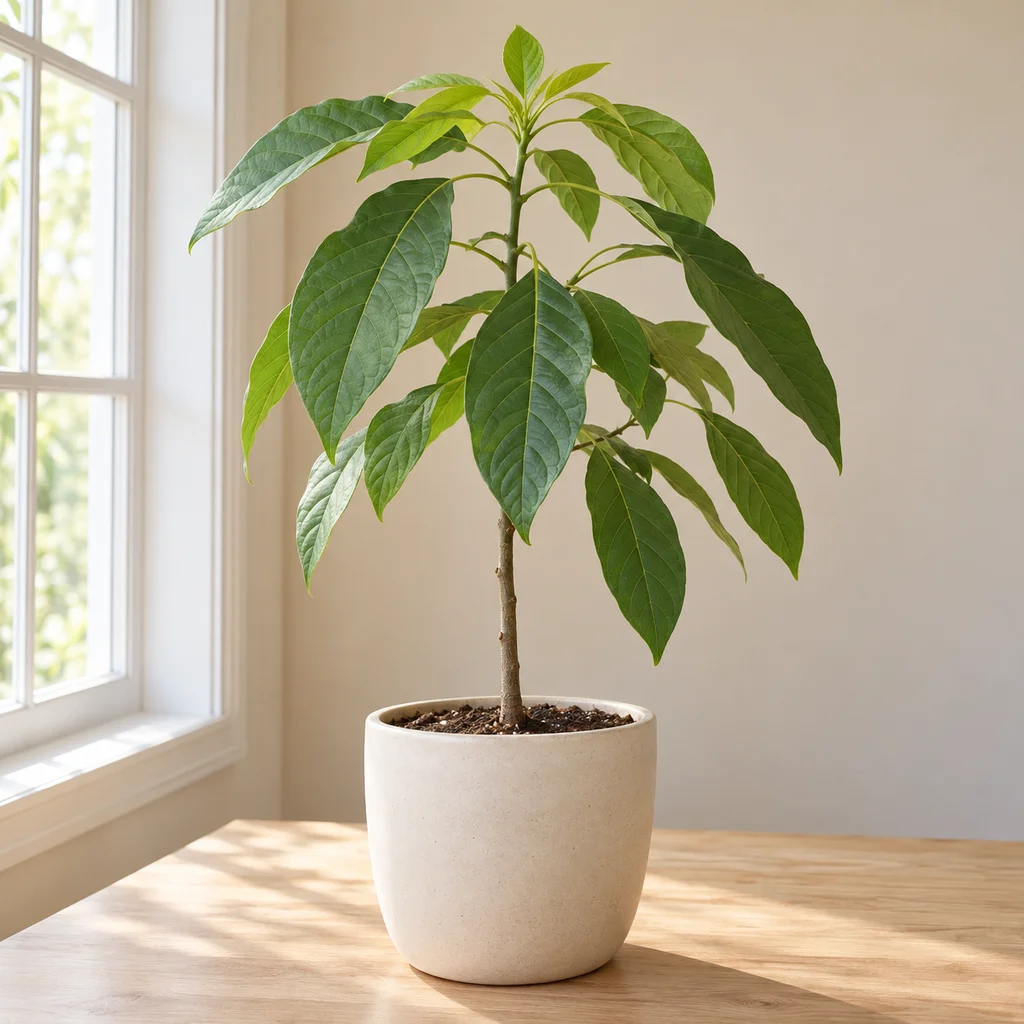
Alternate glossy dark-green oval leaves with wavy margins and unmistakable spice scent when crushed—clearly different from scentless whorled oleander leaves.
Botanical sheet
- Family
- Lauraceae
- Origin
- Mediterranean Basin
- Size
- 1–2.5 m potted (8–12 m)
- Climate
- 10–30 °C · min. -5 °C
What's wrong with your plant?
Pet safety Toxic to pets
ASPCA lists this species as toxic to cats and dogs. Keep pets from chewing it; contact a veterinarian if ingestion is suspected.
Toxic principles and clinical signs quoted from the ASPCA database.
See the ASPCA entryCommon questions
How do I tell culinary bay laurel apart from toxic oleander?
Laurus nobilis has wide, glossy wavy-edged leaves spaced alternately that smell strongly of bay spice when crushed, unlike narrow scentless whorled oleander leaves.
Are the dark berries on a bay tree safe to eat?
No—leaves flavor cooking, whereas RHS notes fruits are strictly ornamental and not to be eaten; wear gloves when heavy-pruning.
Is bay laurel safe around dogs and cats?
No. ASPCA lists Laurus nobilis as toxic to dogs, cats and horses due to eugenol and essential oils, plus whole leaves risk obstruction.