Peppermint (Mentha × piperita)
Mentha × piperitaUpdated
Vigorous hardy culinary herb famed for cooling high-menthol foliage and purple-tinted square stems. Needs its own pot for spreading rhizomes and evenly moist soil.
Essential care to help it thrive
Light and placement
Give bright partial shade or mild morning sun so tender shoots retain rich aromatic oils; scorching afternoon sun on baked ledges wilts and hardens foliage quickly.
Climate and season
Cold-hardy outdoors between 10 and 26 °C down to -15 °C; stems naturally die back in frost and burst densely out of dormant winter rhizomes every spring.
Soil and repotting
Pot solo in wide containers filled with fertile, moisture-retentive humus compost and solid drain holes.
Conditions vary with pot, season and location. Always check the mix and your plant's response.
Peppermint (Mentha × piperita): when to check the soil
Water steadily whenever the very top begins drying so rich compost stays gently moist without stagnant soggy trays; surface runners droop sharply if parched.
Let Grovia remind you when to check your Peppermint (Mentha × piperita)Save the plant, get watering reminders and adjust the rhythm as the seasons change. Free on iPhone and Android.
See table by pot size
| Ø | Summer | Winter |
|---|---|---|
| 10 cm | 4–5 days | 7–10 days |
| 15 cm | 5–6 days | 9–13 days |
| 25 cm | 6–9 days | 12–17 days |
How to identify it
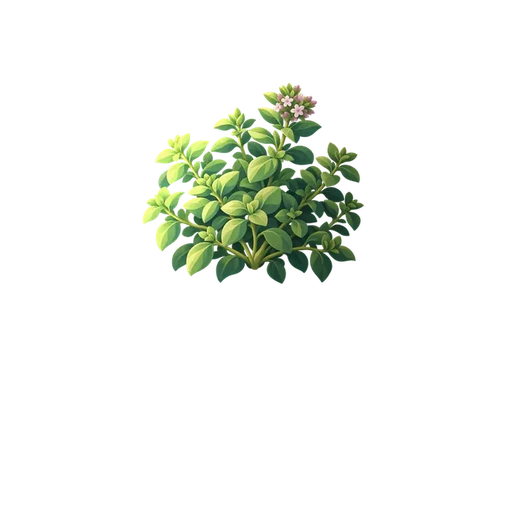
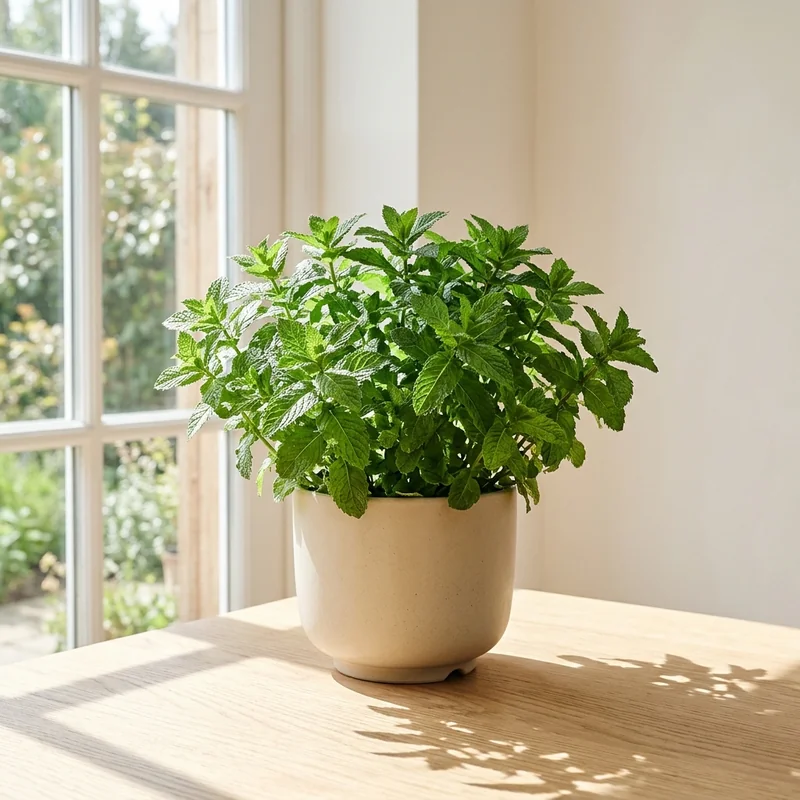
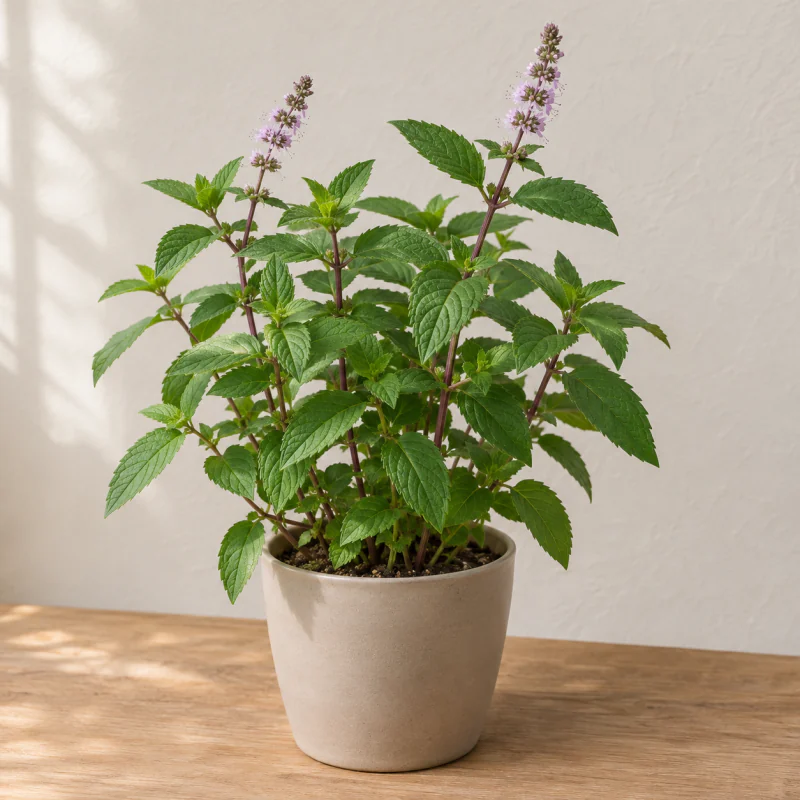
Spreading perennial herb with purple-tinged square stems, crisp toothed dark-green leaves rich in menthol, and pale violet summer spikes from creeping runners.
Botanical sheet
- Family
- Lamiaceae
- Origin
- Natural European and Eurasian hybrid
- Size
- 30–90 cm spreading clump
- Climate
- 10–26 °C · min -15 °C
What's wrong with your plant?
Pet safety Toxicity unverified
There is no species-specific toxicity verification for this plant on ASPCA. Check with your veterinarian or search the ASPCA directory before keeping it within reach of pets.
Open the toxicity checkerCommon questions
Why should Peppermint always grow alone in its own container?
Aggressive creeping rhizomes thread rapidly across shared window boxes, starving slower herbs like thyme or rosemary unless kept safely confined in one solo pot.
How is Peppermint botanically distinct from common Spearmint?
Peppermint (Mentha × piperita) is a sterile hybrid between watermint and spearmint with purple stems, crisper dark leaves, and sharply cooling high-menthol oil.
How do you refresh crowded potted Peppermint year after year?
Every second spring tip out congested root clumps, discard worn woody cores, and replant healthy young white runner sections into fresh humus potting compost.