Parsley (Petroselinum crispum)
Petroselinum crispumUpdated
Hardy culinary biennial prized for aromatic flat or curly leaves. Thrives in sun to part shade, deep fertile evenly moist soil and regular outer harvesting.
Essential care to help it thrive
Light and placement
Give full gentle sun or bright partial shade; Missouri Botanical Garden notes parsley prefers cooler summers and welcomes afternoon shade in hot Southern windows.
Climate and season
Remarkably frost-hardy outdoors down to -15 °C (RHS H6), yet prefers cool 10–24 °C airflow indoors well clear of dry stuffy winter heating.
Soil and repotting
Deep fertile herb blend rich in composted organic matter plus 20% perlite for moisture balance.
Conditions vary with pot, season and location. Always check the mix and your plant's response.
Parsley (Petroselinum crispum): when to check the soil
Check every 2–4 days in warm growth and water as the upper 1–2 cm starts feeling slightly dry, keeping pots evenly moist without soggy waterlogged trays.
Let Grovia remind you when to check your Parsley (Petroselinum crispum)Save the plant, get watering reminders and adjust the rhythm as the seasons change. Free on iPhone and Android.
See table by pot size
| Ø | Summer | Winter |
|---|---|---|
| 10 cm | 4–5 days | 7–10 days |
| 15 cm | 5–6 days | 9–13 days |
| 25 cm | 6–9 days | 12–17 days |
How to identify it
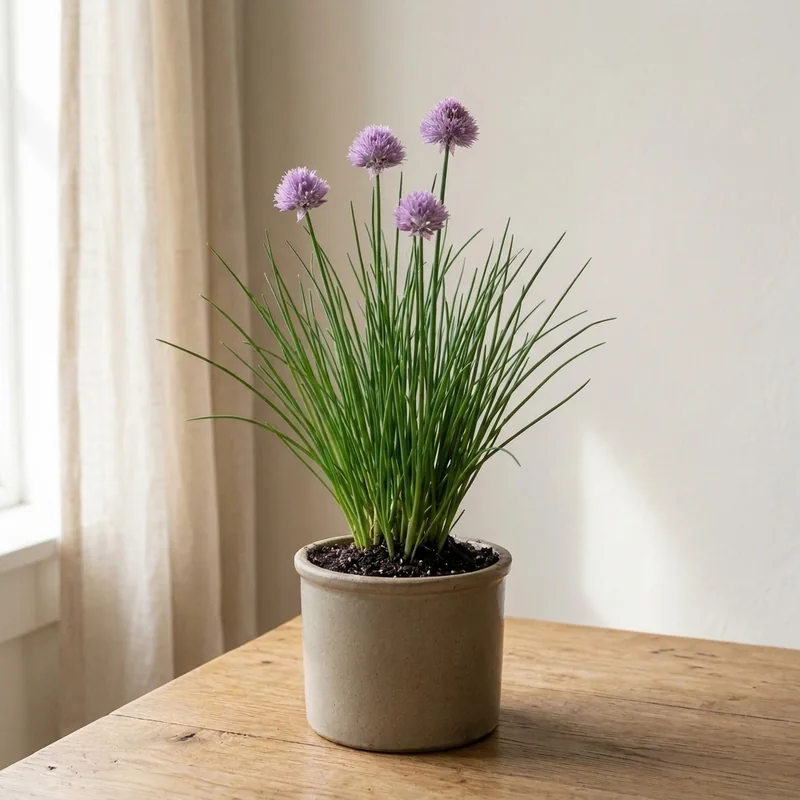
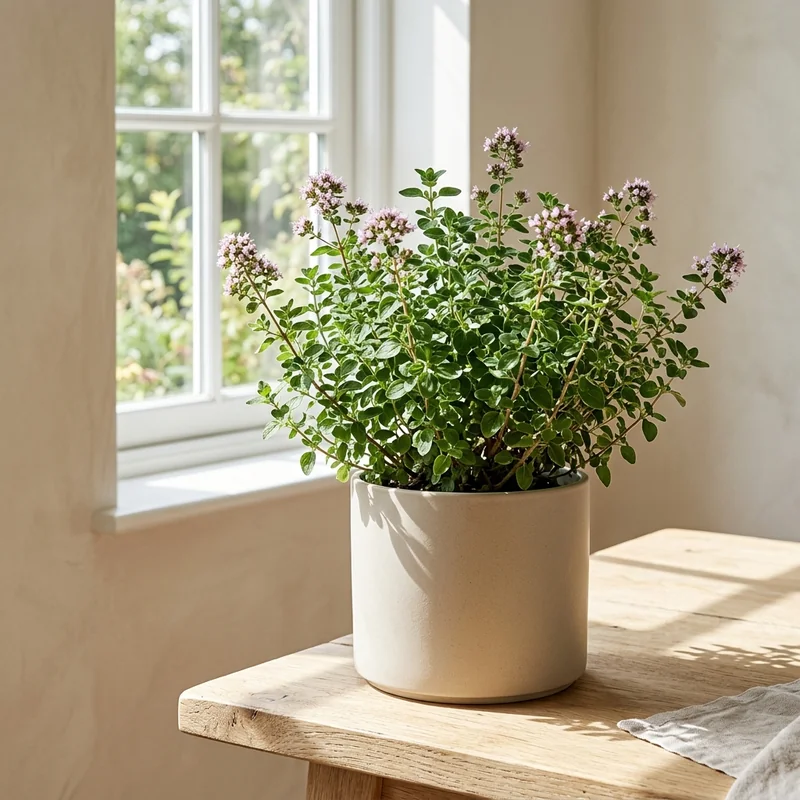
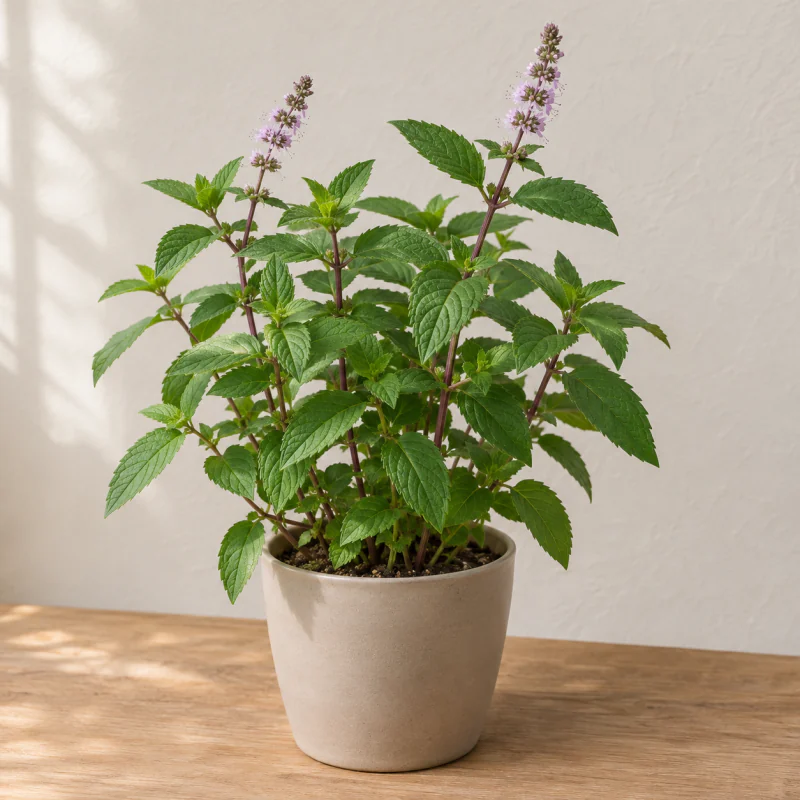
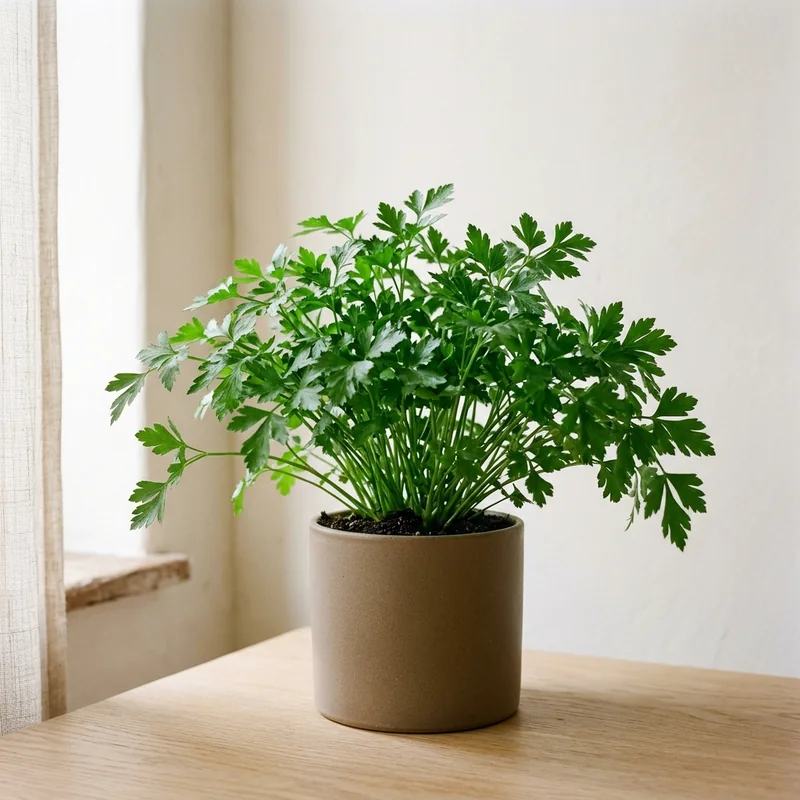
Dense upright clump of hollow tender green stems bearing finely divided flat-leaf Italian or tight curly aromatic foliage atop a deep biennial taproot.
Botanical sheet
- Family
- Apiaceae
- Origin
- Mediterranean · Southern Europe
- Size
- 25–30 cm clump
- Climate
- 10–24 °C · min -15 °C
What's wrong with your plant?
Pet safety Toxic to pets
ASPCA lists this species as toxic to cats and dogs. Keep pets from chewing it; contact a veterinarian if ingestion is suspected.
Toxic principles and clinical signs quoted from the ASPCA database.
See the ASPCA entryCommon questions
How should I harvest parsley so it keeps producing?
Snip full outer stalks right near the soil line while leaving the small inner center crown untouched so fresh productive stems keep emerging smoothly.
Why does ASPCA list culinary parsley as toxic to pets?
ASPCA warns that ingesting large quantities causes furanocoumarin photosensitization—painful sunburn and skin dermatitis—in dogs, cats and horses.
Why did second-year parsley suddenly turn bitter and tall?
Parsley is naturally biennial: after overwintering it bolts upward to 60–90 cm into yellow-green umbels and fades, losing crisp leaf flavor.