
Plants
Monstera deliciosa care: watering, light & more
Scientific name: Monstera deliciosa · Common name: Swiss cheese plant
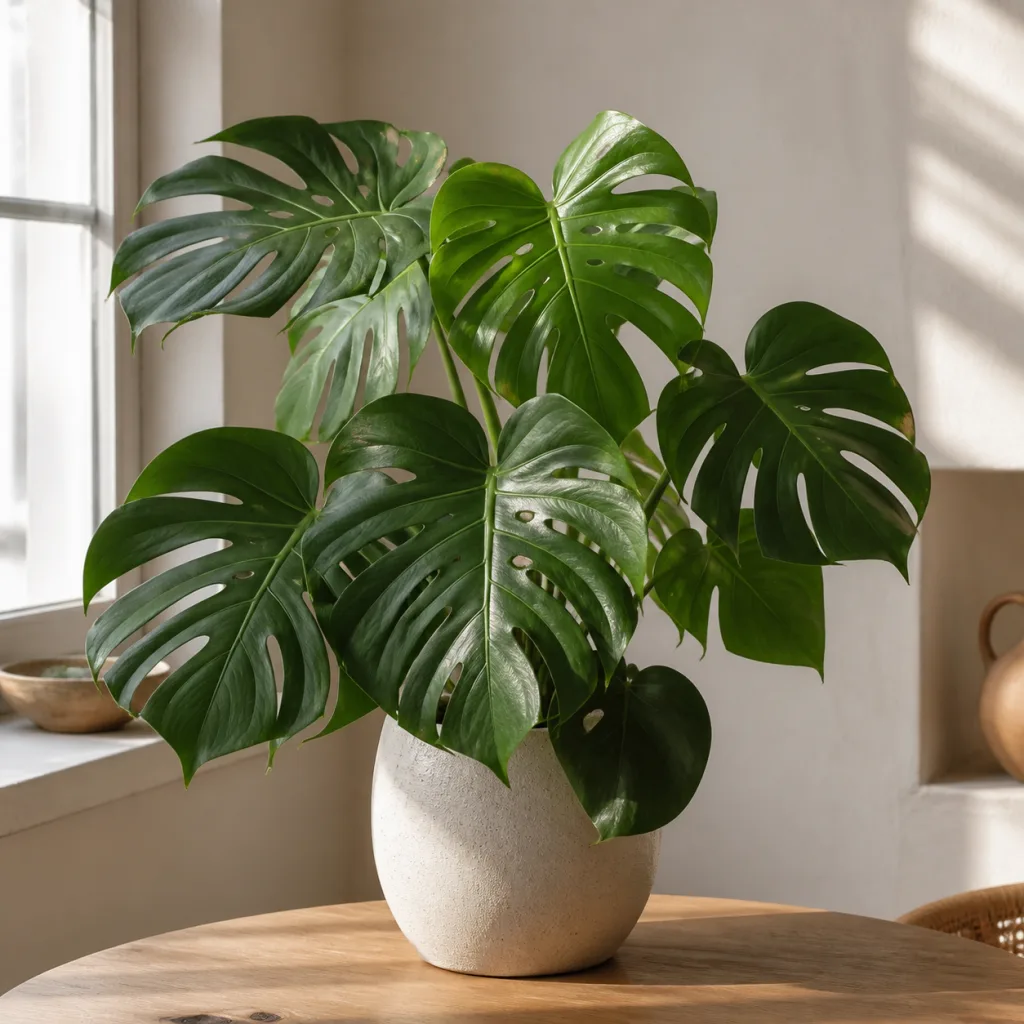
Large mature leaves develop splits and holes; juvenile leaves can emerge whole. This climbing plant benefits from support.
Editorial revision:
Care at a glance
- Light
- Bright indirect light; strong direct sun can damage the foliage.
- Watering
- Let the mix approach dryness before watering again and empty the outer pot.
How to identify it
Large mature leaves develop splits and holes; juvenile leaves can emerge whole. This climbing plant benefits from support.
Light
Bright indirect light; strong direct sun can damage the foliage.
Watering
Let the mix approach dryness before watering again and empty the outer pot.
Conditions vary with pot, season and location. Always check the mix and your plant's response.
Environment and placement
It prefers warmth and some humidity; avoid cold draughts.
Potting mix and feeding
Use an airy, draining mix and a pot with drainage holes. Match pot size to the root ball so excess mix does not remain wet.
Feed only during active growth and follow the product label. Correct damaged roots or poor light before fertilising.
Problems to check
One yellow leaf alone does not diagnose overwatering: compare the mix, roots and earlier photos.
How to assess yellow leavesCats and dogs
ASPCA lists this species as toxic to cats and dogs. Keep pets from chewing it; contact a veterinarian if ingestion is suspected.
ASPCACommon question
Why does a new leaf have no holes?
Young leaves can be whole; check maturity, light and subsequent growth before assuming a problem.
Botanical source
Related species
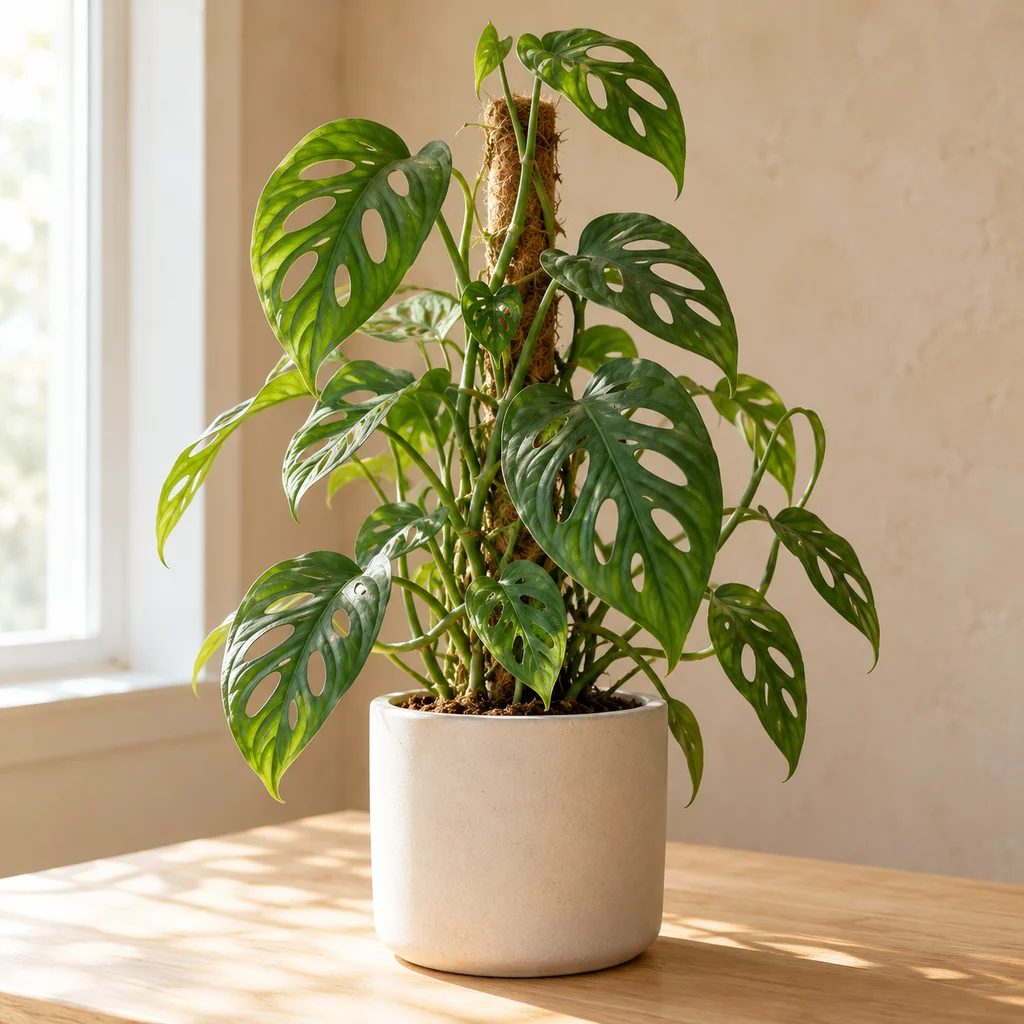 Adanson's monsteraMonstera adansoniiRead guide →
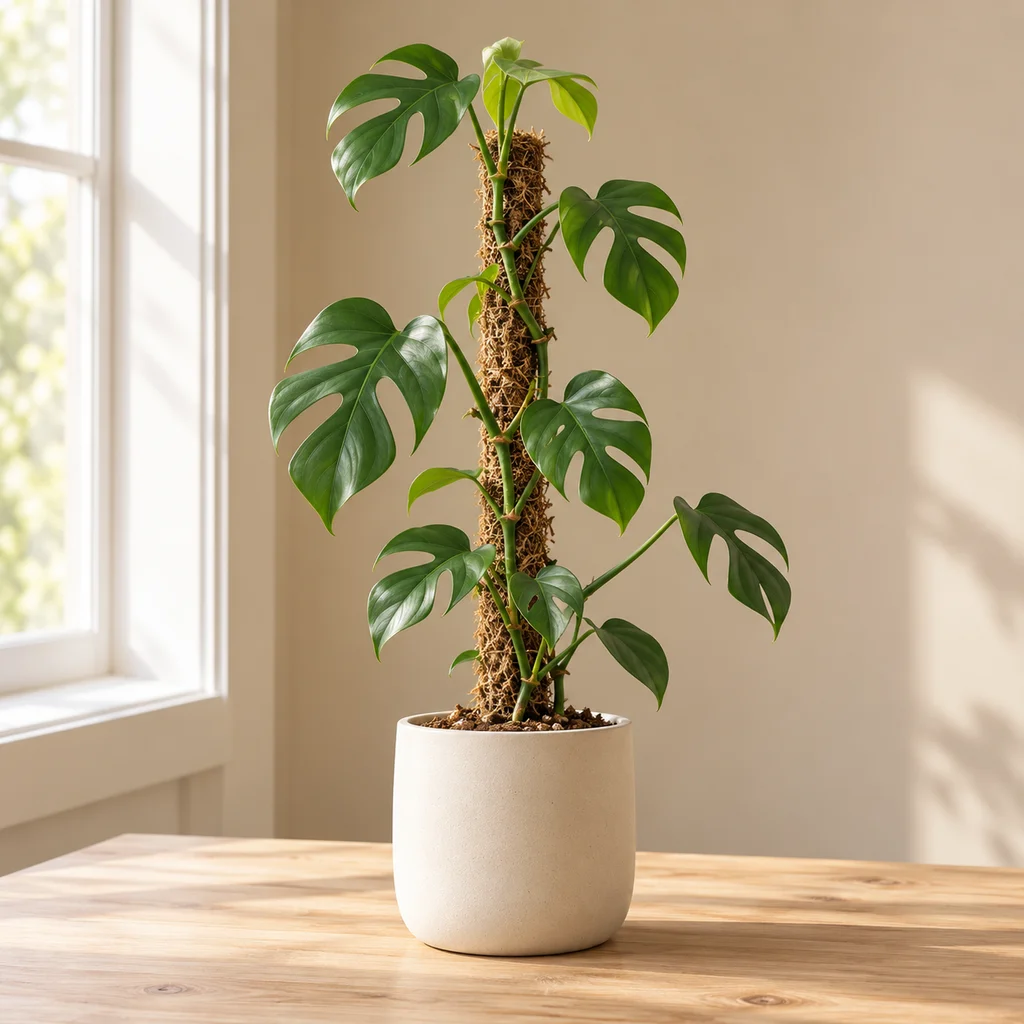 Mini monsteraRhaphidophora tetraspermaRead guide →
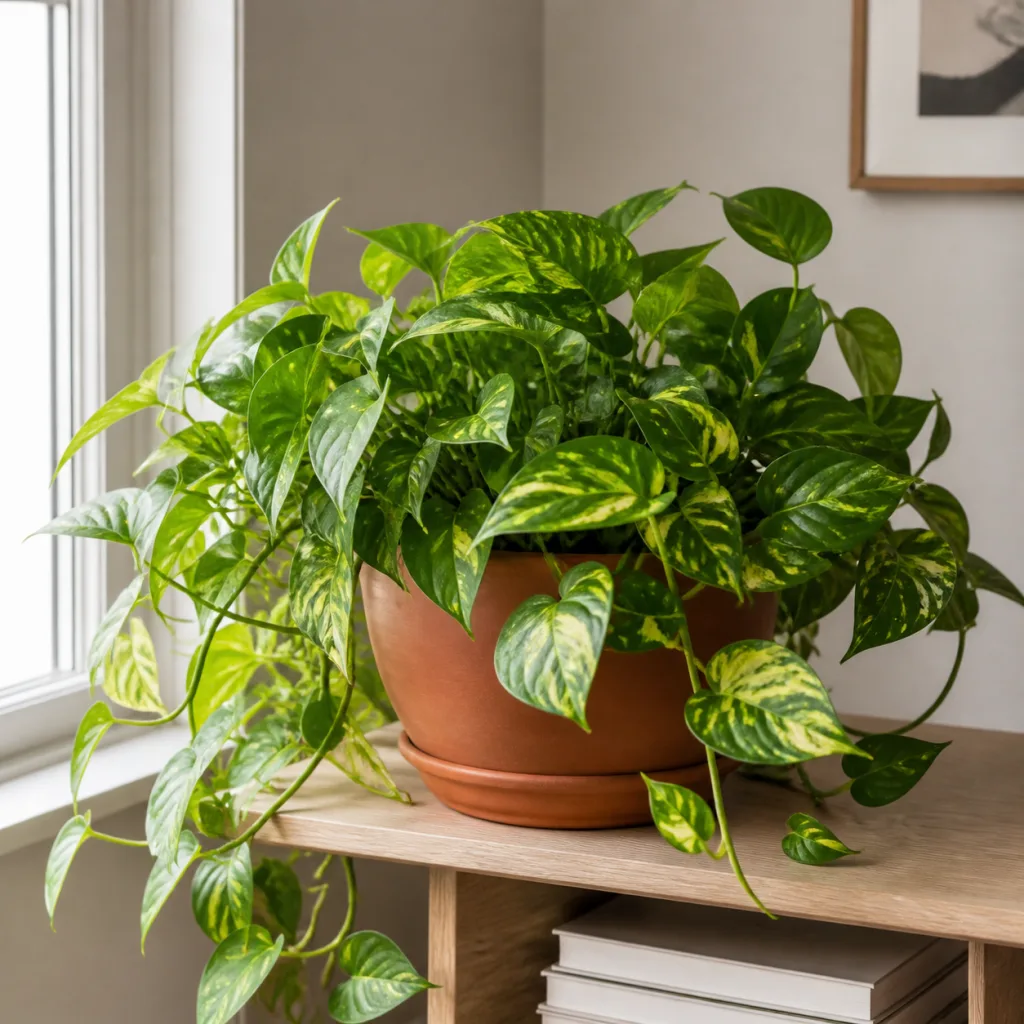 Golden pothosEpipremnum aureumRead guide →
You can also track this plant's care and observations in Grovia's practical guide: open guide.