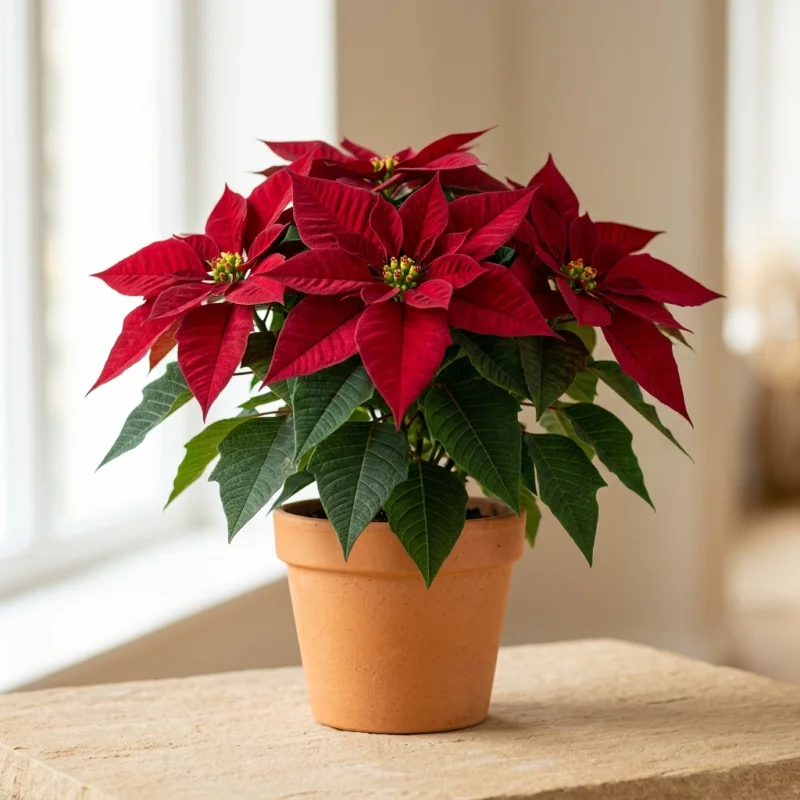
Florist's gloxinia (Sinningia)
Sinningia speciosaUpdated
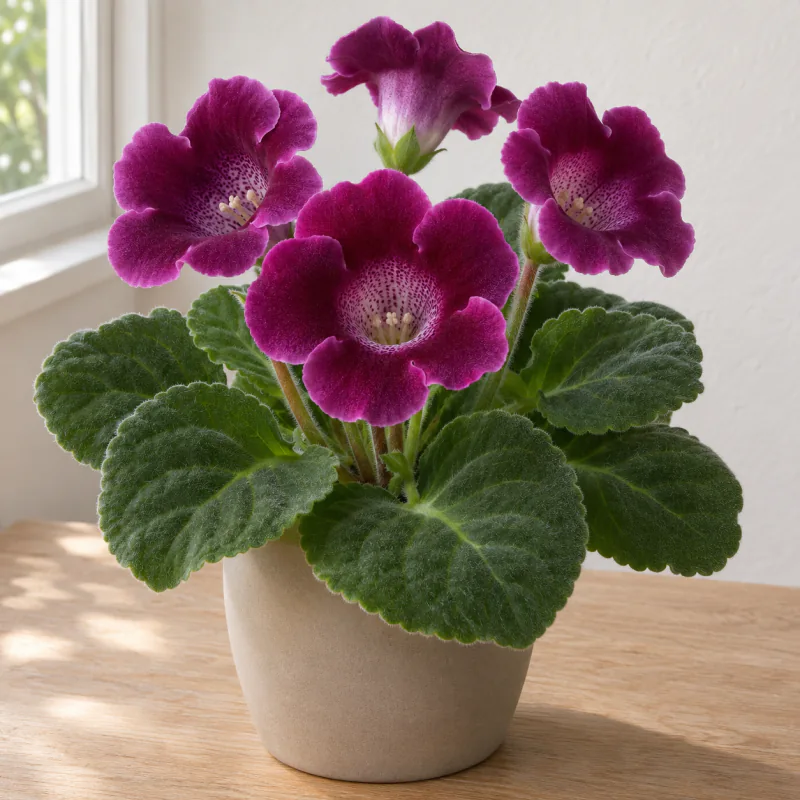
Pet-safe Brazilian tuberous gesneriad (ASPCA) pairing plush velvet leaf rosettes with jewel-like bell blooms. Wants bright indirect light and bottom watering.
Essential care to help it thrive
Light and placement
Provide bright filtered daylight near a luminous window without fierce midday sun that scorches soft hairy leaves; dim light stretches leggy buds.
Climate and season
Excels at 18–25 °C in moderate ambient humidity; store firm post-bloom resting tubers dry at 15–18 °C over autumn-winter dormancy per MBG.
Soil and repotting
Wide shallow drained pot filled with light peat-free mix of coco coir, fine leaf mold, and perlite.
Conditions vary with pot, season and location. Always check the mix and your plant's response.
Florist's gloxinia (Sinningia): when to check the soil
Water gently from the saucer or beneath leaves when upper compost just begins drying, emptying remaining dish water cleanly and keeping leaves dry.
Let Grovia remind you when to check your Florist's gloxinia (Sinningia)Save the plant, get watering reminders and adjust the rhythm as the seasons change. Free on iPhone and Android.
See table by pot size
| Ø | Summer | Winter |
|---|---|---|
| 10 cm | 4–5 days | 7–10 days |
| 15 cm | 5–6 days | 9–13 days |
| 25 cm | 6–9 days | 12–17 days |
How to identify it
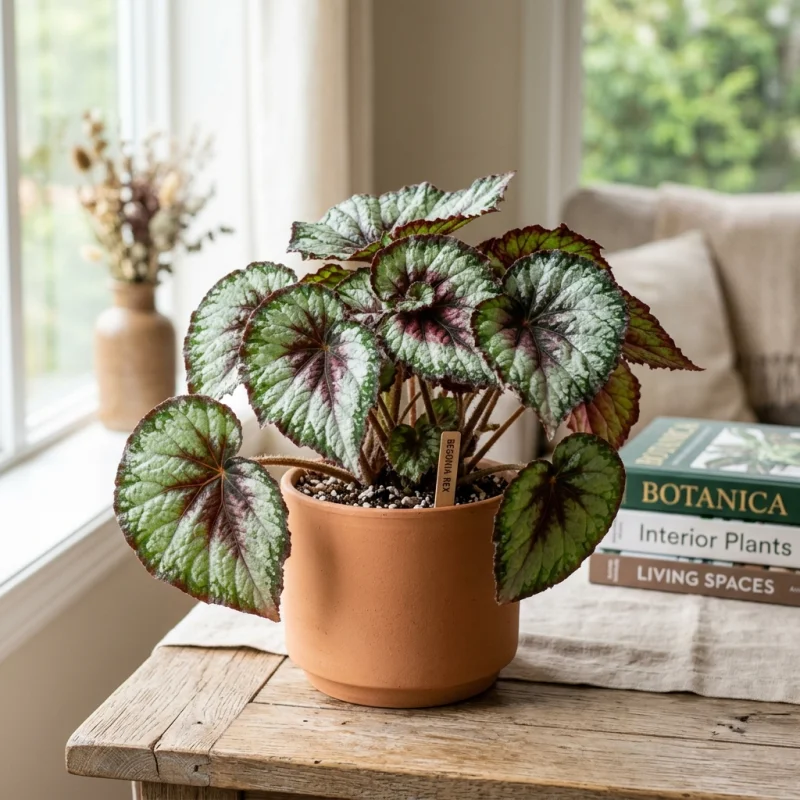
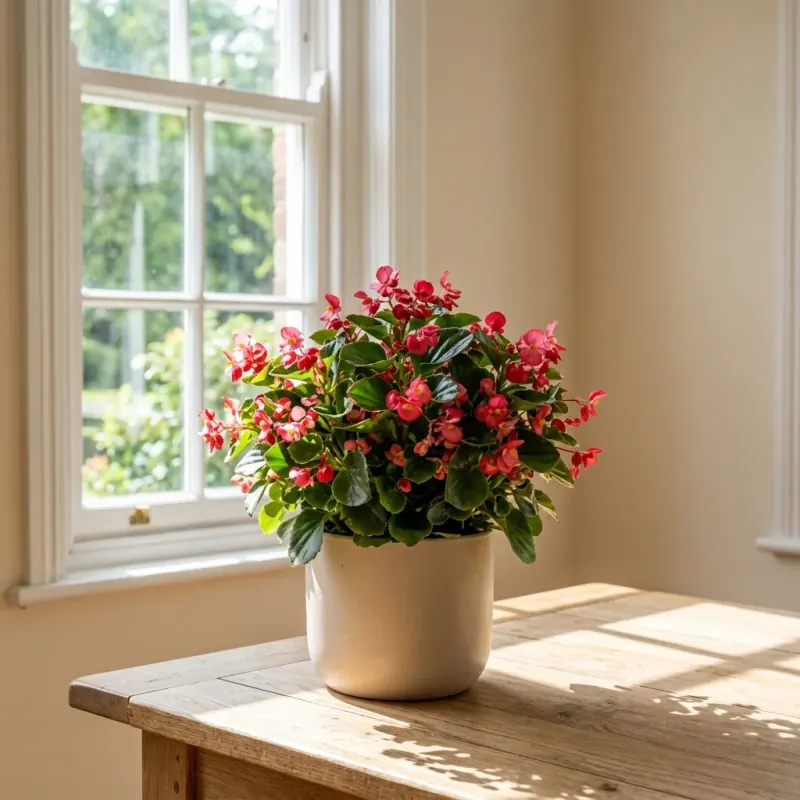
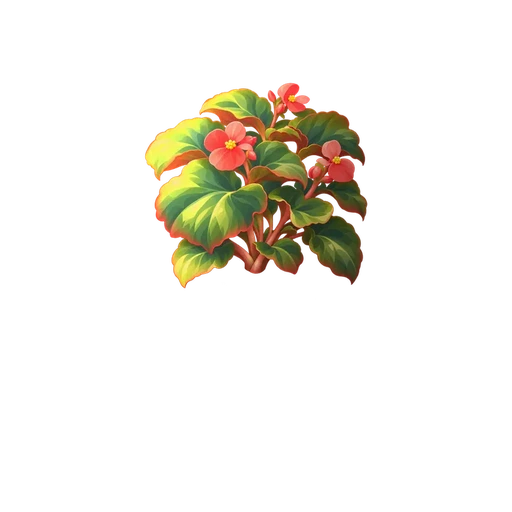
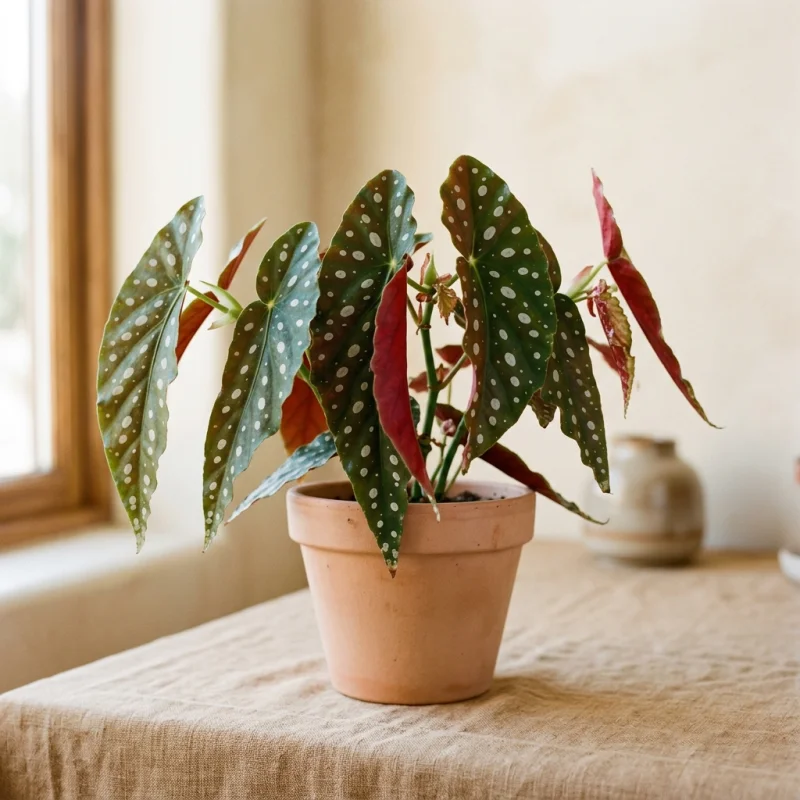
Low cushion of broad velvety crinkled dark-green leaves topped by bold trumpet bell flowers; widely remembered as Gloxinia speciosa.
Botanical sheet
- Family
- Gesneriaceae
- Origin
- Eastern and southeastern Brazil
- Size
- 15–30 cm compact rosette
- Climate
- 18–25 °C · min 15 °C
What's wrong with your plant?
Pet safety Pet-friendly
ASPCA lists this species as non-toxic to cats and dogs. Even so, prevent heavy chewing or ingestion of potting mix or fertiliser.
See the ASPCA entryCommon questions
Why should you always bottom-water Sinningia speciosa?
Dense velvety hairs and tight central buds trap moisture drops easily, triggering ugly rings and crown rot whenever watered from above.
Does Florist's Gloxinia come back after dying down following bloom?
Yes. Keep resting dormant tubers inside nearly dry compost around 15–18 °C for several months, then resume gentle drinks once green shoots sprout.
Is Gloxinia non-toxic for dogs, cats, and horses at home?
Yes. ASPCA lists Sinningia speciosa as non-toxic to dogs, cats, and horses for safe indoor display.