Aloe vera
Aloe veraUpdated
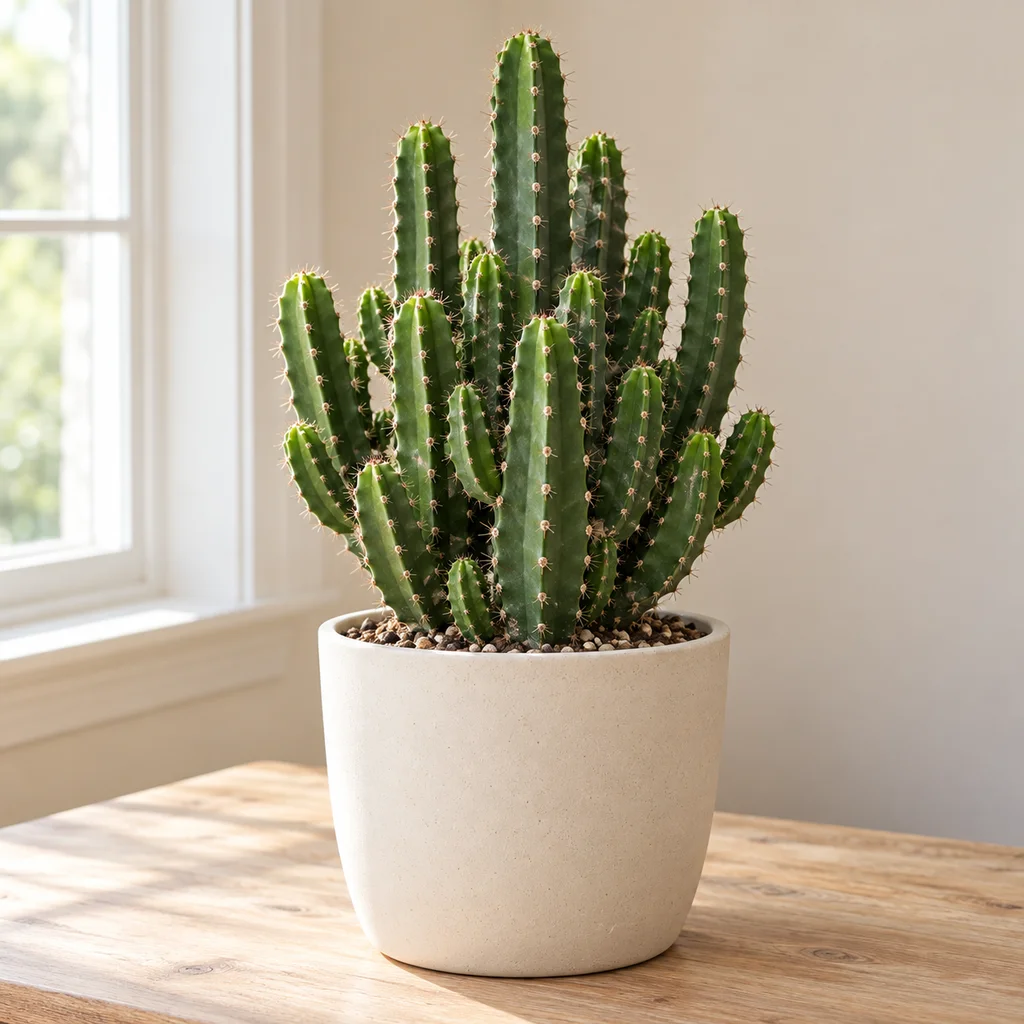
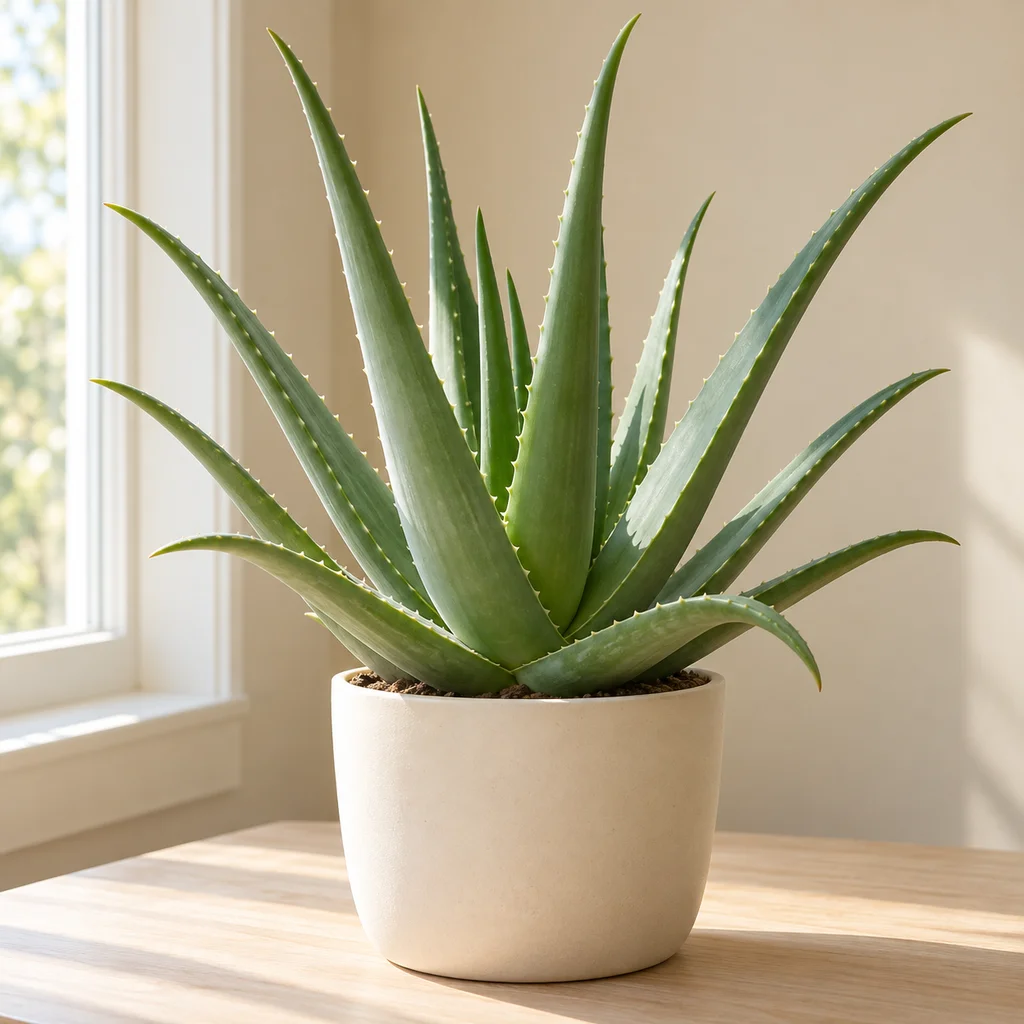
Stemless desert succulent with fleshy gel-filled blades. Golden rule: maximum direct sun, gritty mineral soil, and complete dry-downs between soaks.
Essential care to help it thrive
Light and placement
Strong light; acclimatise it gradually to direct exposure.
Climate and season
It needs free-draining mix and frost protection in a pot.
Soil and repotting
Gritty, fast-draining mineral blend. Use unglazed terracotta pots to ensure rapid moisture evaporation.
Conditions vary with pot, season and location. Always check the mix and your plant's response.
Aloe vera: when to check the soil
Let the mix dry between waterings and empty the saucer.
Let Grovia remind you when to check your Aloe veraSave the plant, get watering reminders and adjust the rhythm as the seasons change. Free on iPhone and Android.
See table by pot size
| Ø | Summer | Winter |
|---|---|---|
| 10 cm | 7–10 days | 14–19 days |
| 15 cm | 9–12 days | 17–24 days |
| 25 cm | 11–16 days | 23–32 days |
How to identify it
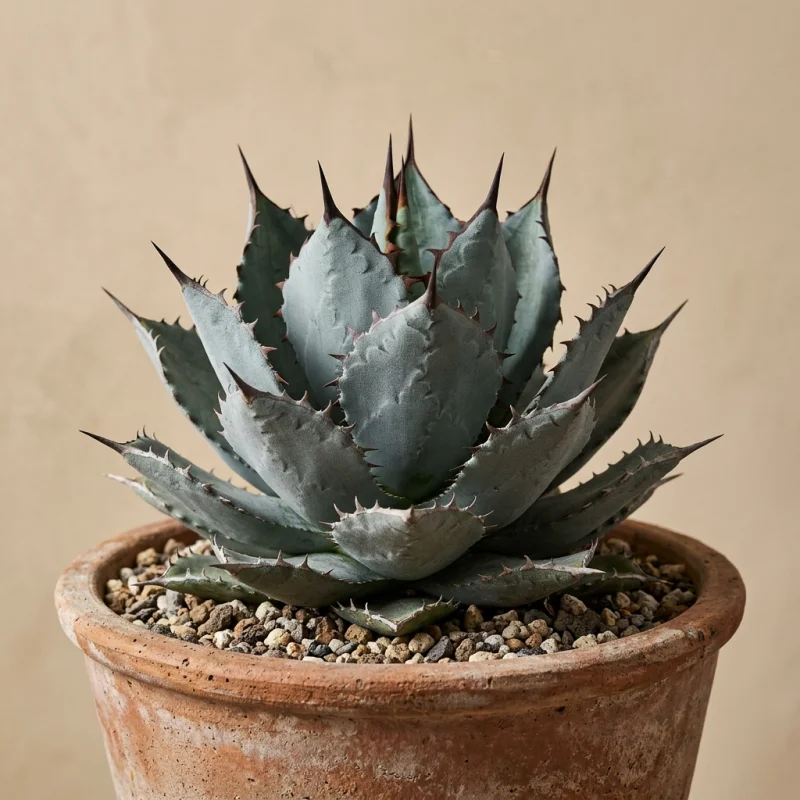
A rosette of fleshy lance-shaped leaves with small marginal teeth. Do not identify every ornamental aloe as A. vera.
Botanical sheet
- Family
- Asphodelaceae
- Origin
- Arabian Peninsula
- Size
- 0.5–1 m rosette
- Climate
- 15–28 °C · min. 10 °C
What's wrong with your plant?
Pet safety Toxic to pets
ASPCA lists this species as toxic to cats and dogs. Keep pets from chewing it; contact a veterinarian if ingestion is suspected.
Toxic principles and clinical signs quoted from the ASPCA database.
See the ASPCA entryCommon questions
Can I use gel from any aloe?
No. Identify the species first; this care guide is not medical advice.
How and when should I divide aloe pups?
Divide offsets in spring once they reach 8–10 cm with own roots. Let the cut callous in shade for 2–3 days before potting into dry cactus mix without water for a week.
How often should you water aloe in winter?
Water very sparingly during winter dormancy: once every 4–6 weeks is ample, and only if foliage starts thinning. Keep the root ball completely dry in chilly rooms.