Asparagus fern (Plumosa)
Asparagus setaceusUpdated
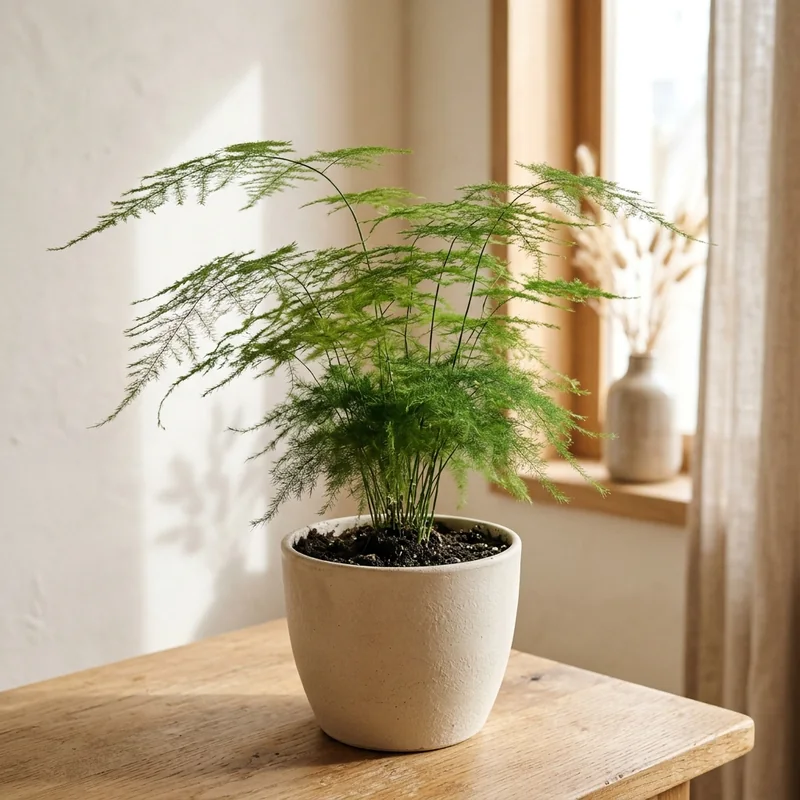
Feathery climber widely traded as Asparagus plumosus—actually an asparagus relative, not a true fern. Thrives in filtered light and evenly light moisture.
Essential care to help it thrive
Light and placement
Place in bright filtered light sheltered from harsh midday sun, which bleaches and scorches the delicate feathery foliage.
Climate and season
Keep frost-free (13–24 °C, min. 5 °C) and offer light trellis support for climbing stems. RHS advises gloves, as stems irritate skin and berries are harmful.
Soil and repotting
Pot in peat-free, loam-based houseplant compost lightened with 20% perlite; repot in spring when fleshy tuberous roots fill the container.
Conditions vary with pot, season and location. Always check the mix and your plant's response.
Asparagus fern (Plumosa): when to check the soil
Keep the potting mix evenly lightly moist from spring through mid-autumn, draining excess water; water sparingly during winter dormancy.
Let Grovia remind you when to check your Asparagus fern (Plumosa)Save the plant, get watering reminders and adjust the rhythm as the seasons change. Free on iPhone and Android.
See table by pot size
| Ø | Summer | Winter |
|---|---|---|
| 10 cm | 3–4 days | 5–7 days |
| 15 cm | 3–5 days | 7–9 days |
| 25 cm | 4–6 days | 9–12 days |
How to identify it
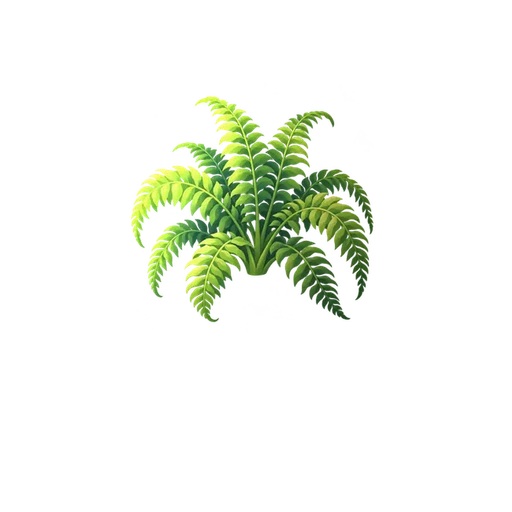
Formerly called Asparagus plumosus, it forms airy tiers of lacy needle-like phylloclades along wiry climbing stems, plus tiny white blooms and red berries.
Botanical sheet
- Family
- Asparagaceae
- Origin
- South & East Africa
- Size
- 1.5–2.5 m climber
- Climate
- 13–24 °C · min. 5 °C
What's wrong with your plant?
Pet safety Toxicity unverified
There is no species-specific toxicity verification for this plant on ASPCA. Check with your veterinarian or search the ASPCA directory before keeping it within reach of pets.
Open the toxicity checkerCommon questions
Is Asparagus setaceus a true fern?
No. It belongs to Asparagaceae, and its feathery greenery consists of modified stems (phylloclades) rather than fern fronds.
Why is my plumosa fern dropping tiny yellow needles?
It sheds needles quickly from dry indoor heat, erratic drying out or deep shade; trim bare stems at the base to refresh growth.
Should I grow Asparagus setaceus trailing or on a trellis?
Young plants drape softly from shelves or hanging pots, while mature stems climb 1.5–2.5 m gracefully on thin stakes.