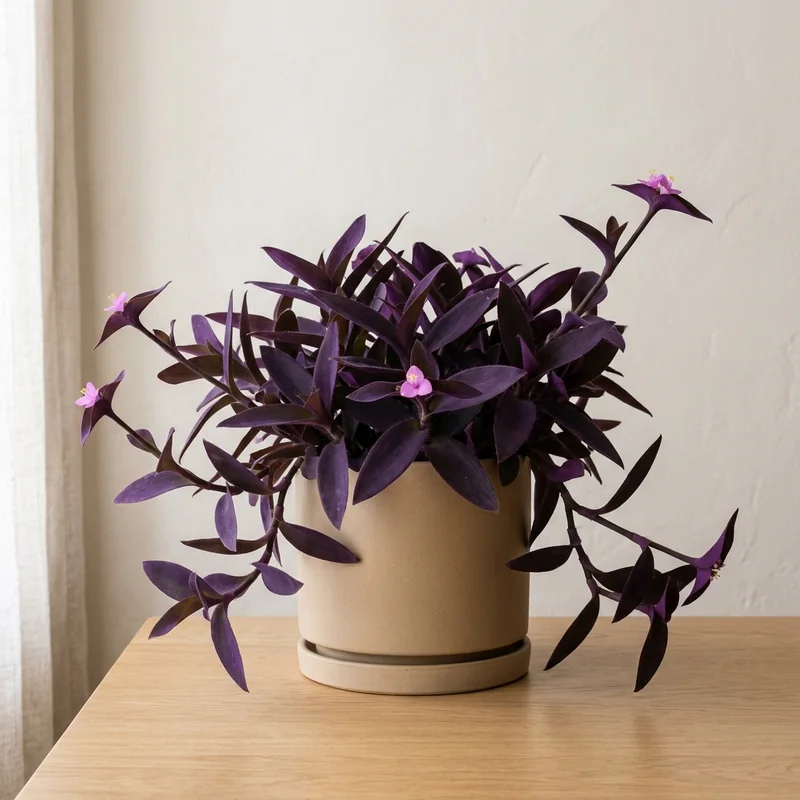
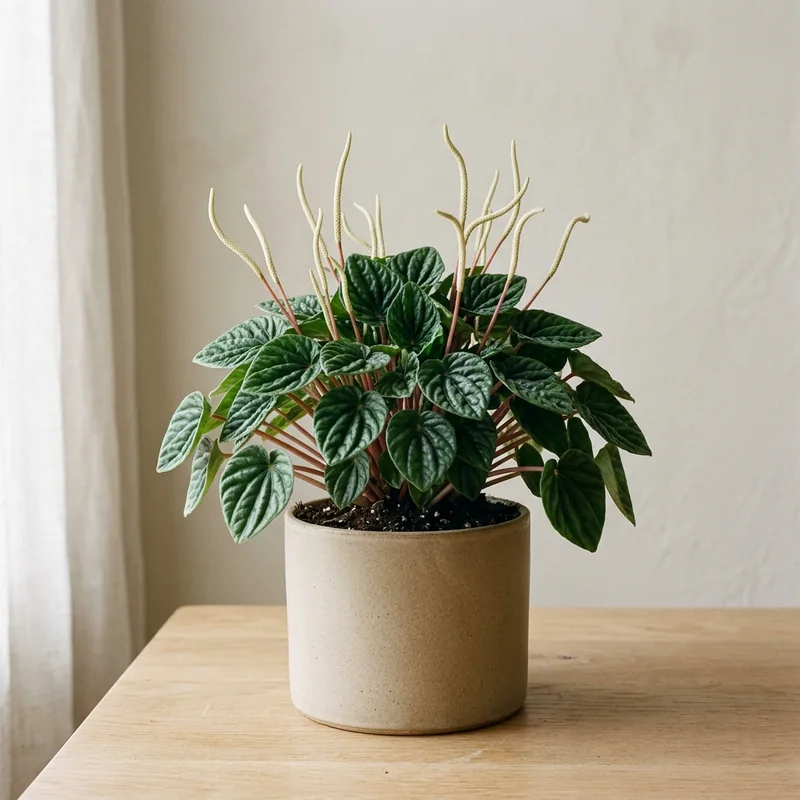
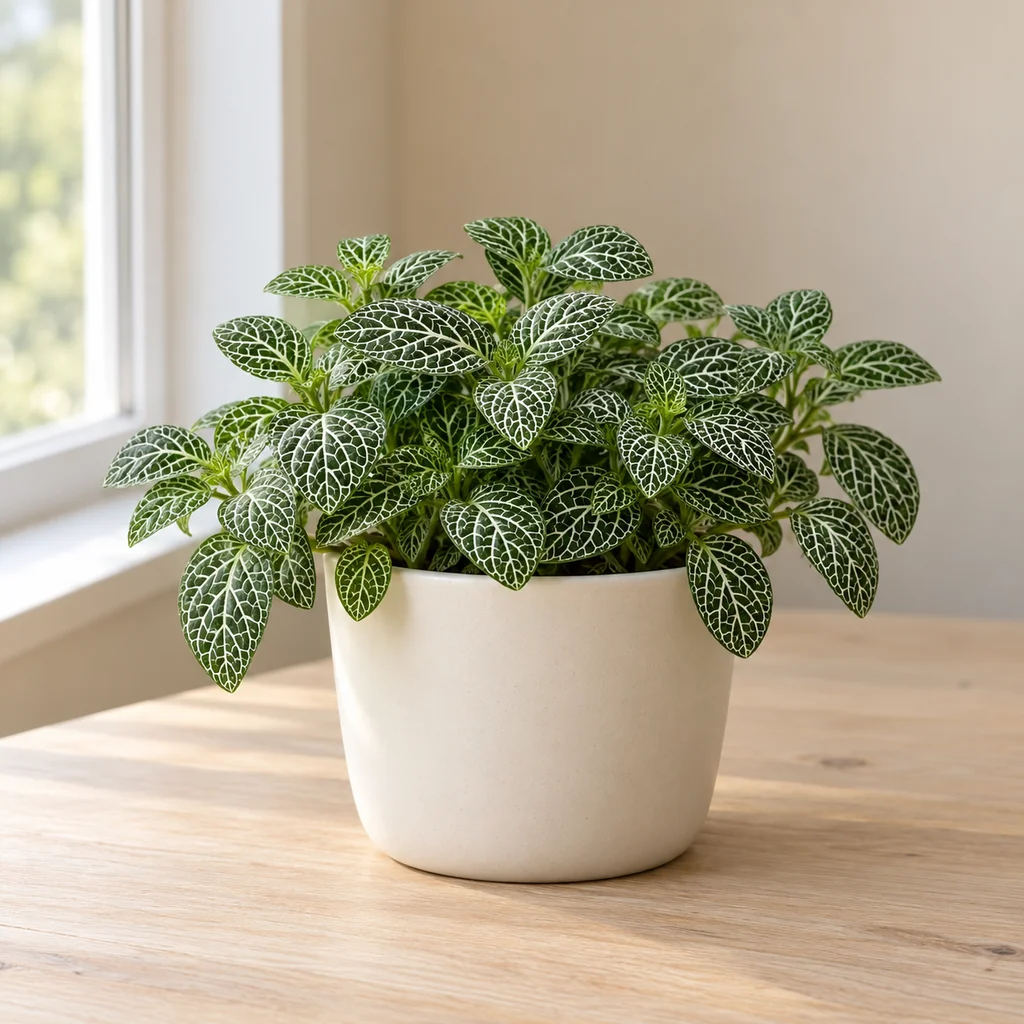
Turtle vine (Callisia repens)
Callisia repensUpdated
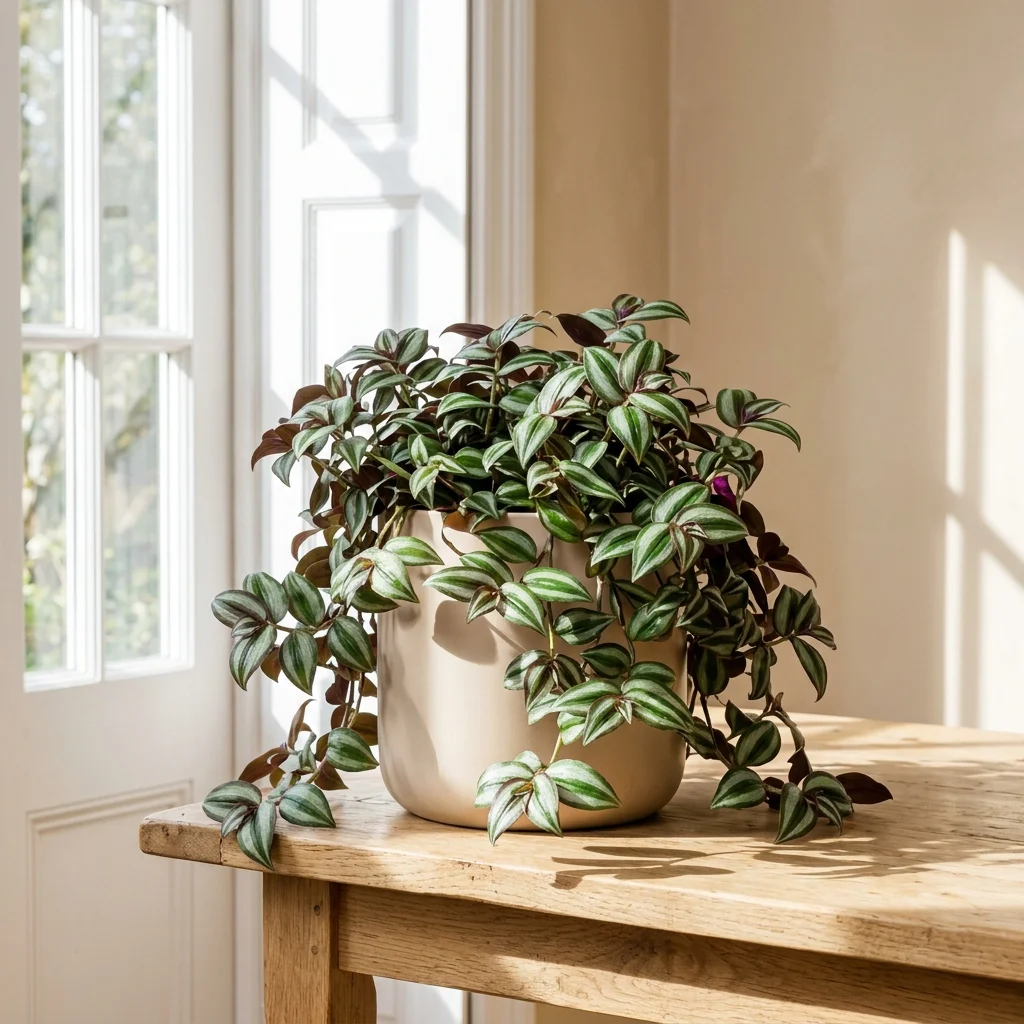
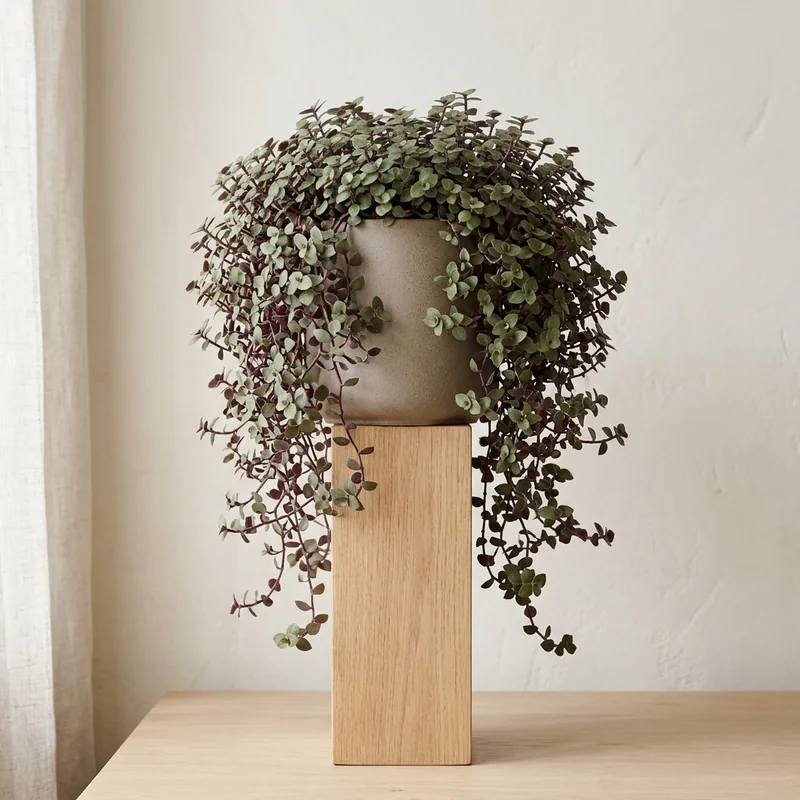
Fast-trailing American creeper forming thick cascades of tiny glossy succulent-like green leaves blushed purple below. Wants bright sun-top light and airy soil.
Essential care to help it thrive
Light and placement
Give very bright indirect light or mild morning sun reaching the crown directly. Dim overhead shelves thin the dome quickly and make strands leggy.
Climate and season
Grows smoothly in ordinary home humidity at 16–26 °C above 10 °C minimum. Pinch tips regularly to force side branching and keep mats full.
Soil and repotting
Shallow well-drained pot with fast-draining blend of coco coir, generous perlite, and gritty sand.
Conditions vary with pot, season and location. Always check the mix and your plant's response.
Turtle vine (Callisia repens): when to check the soil
Water gently at the pot rim or from below once the upper 2 cm feel dry, avoiding heavy soaking over crowded foliage that traps dampness at the crown.
Let Grovia remind you when to check your Turtle vine (Callisia repens)Save the plant, get watering reminders and adjust the rhythm as the seasons change. Free on iPhone and Android.
See table by pot size
| Ø | Summer | Winter |
|---|---|---|
| 10 cm | 4–5 days | 7–10 days |
| 15 cm | 5–6 days | 9–13 days |
| 25 cm | 6–9 days | 12–17 days |
How to identify it
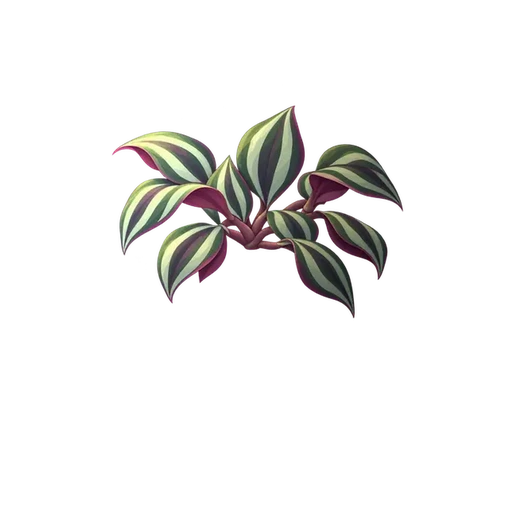
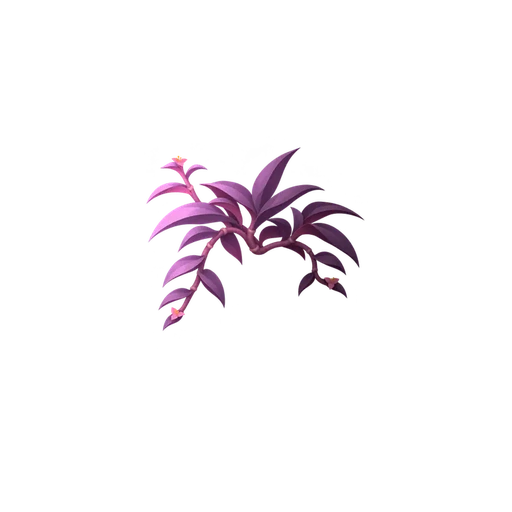
Dense branching stems rooting easily at nodes with small pointed fleshy green leaves tinted plum beneath; formerly listed as Tradescantia repens.
Botanical sheet
- Family
- Commelinaceae
- Origin
- Southeastern Texas to tropical America
- Size
- 0.5–1 m trailing cascade
- Climate
- 16–26 °C · min 10 °C
What's wrong with your plant?
Pet safety Toxicity unverified
There is no species-specific toxicity verification for this plant on ASPCA. Check with your veterinarian or search the ASPCA directory before keeping it within reach of pets.
Open the toxicity checkerCommon questions
Why does Callisia repens go bald on top while ends keep growing?
Hanging baskets often shade the pot surface while old crown nodes age out; simply snip healthy green tips and press them onto damp compost to fill gaps.
Should you water Turtle Vine from the bottom saucer?
Brief bottom watering works wonderfully because crowded overlapping leaves trap splashes above the crown and quickly rot delicate surface stems.
How fast do stem cuttings root indoors?
Healthy 5 cm tips sprout roots within days when laid across lightly moist porous soil, making dense annual rejuvenation effortless.