Cape spider plant
Chlorophytum capenseUpdated
Cape spider plant care: bright indirect light, moderate watering and clumping habit. In summer, check the soil every 5–6 days.
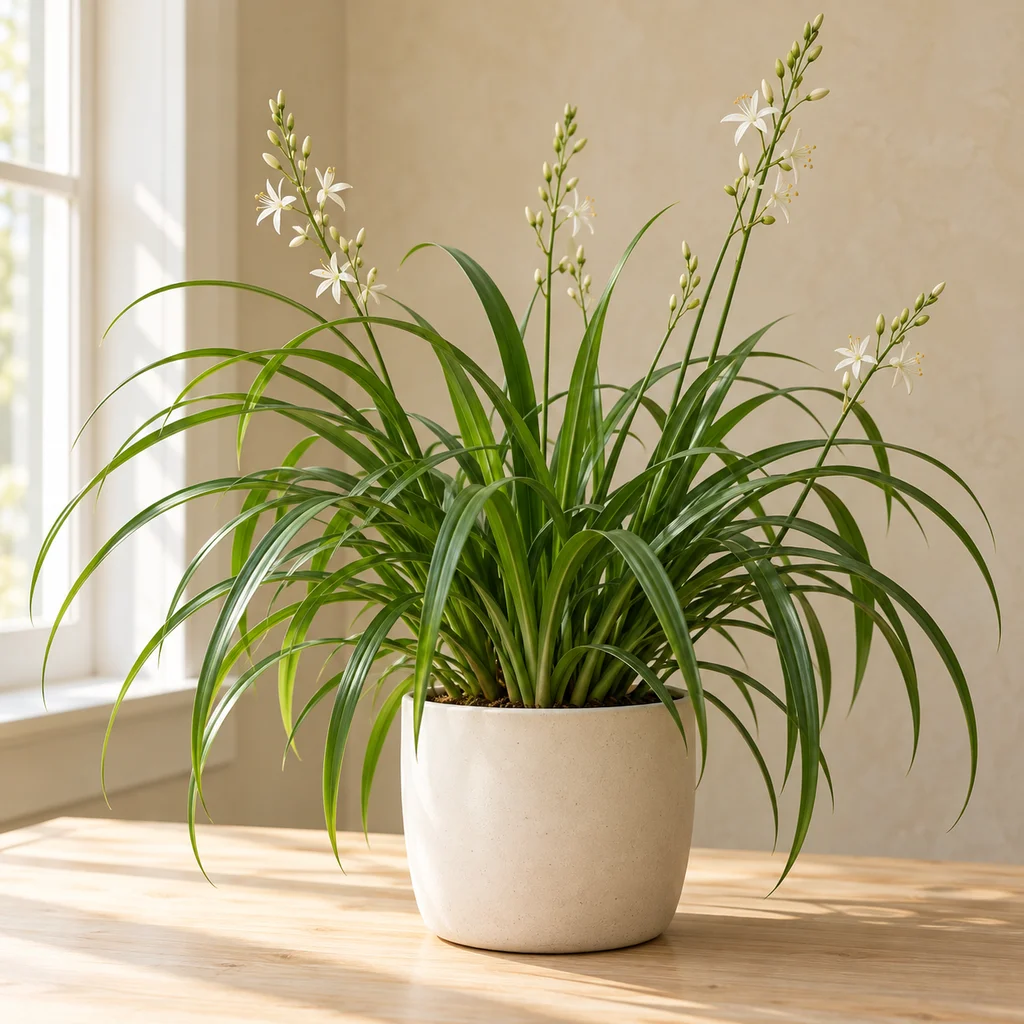
Essential care to help it thrive
Light and placement
Bright indirect light or gentle partial shade. Adapts well to moderate indoor light; avoid harsh midday sun.
Climate and season
Adaptable room temperature (15-24 °C / 60-75 °F). Tolerates dry household air and handles outdoor shade in summer.
Soil and repotting
Keep drainage open and observe how long this particular pot takes to dry. There is no universal feeding dose: fertilise only during healthy growth, following the label and a confirmed identification.
Conditions vary with pot, season and location. Always check the mix and your plant's response.
Cape spider plant: when to check the soil
Moderate watering when the top inch of potting soil dries. Fleshy tuberous roots handle short periods of drought.
Let Grovia remind you when to check your Cape spider plantSave the plant, get watering reminders and adjust the rhythm as the seasons change. Free on iPhone and Android.
See table by pot size
| Ø | Summer | Winter |
|---|---|---|
| 10 cm | 4–5 days | 7–10 days |
| 15 cm | 5–6 days | 9–13 days |
| 25 cm | 6–9 days | 12–17 days |
How to identify it
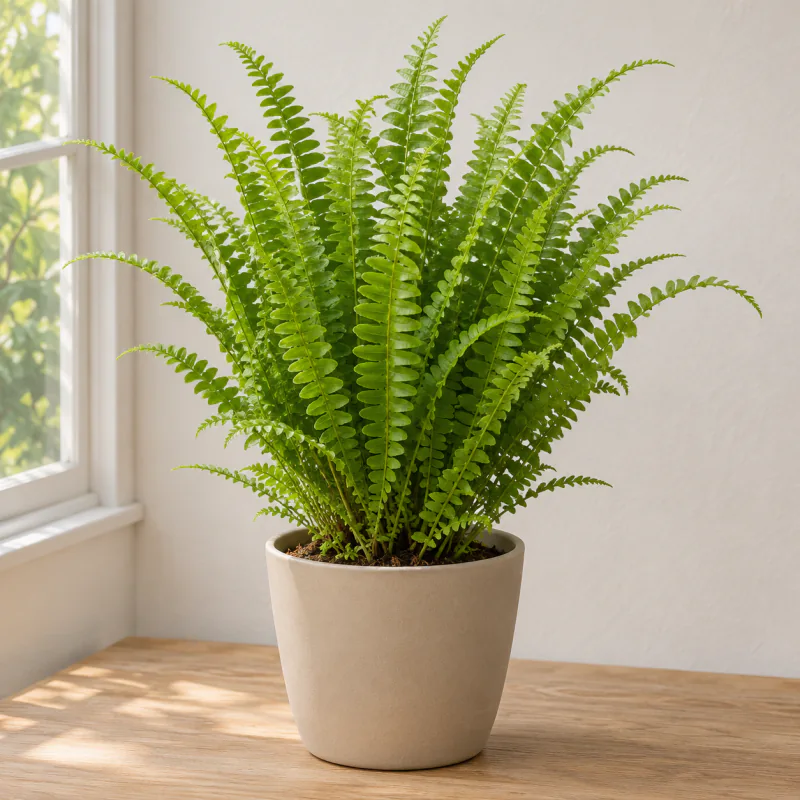
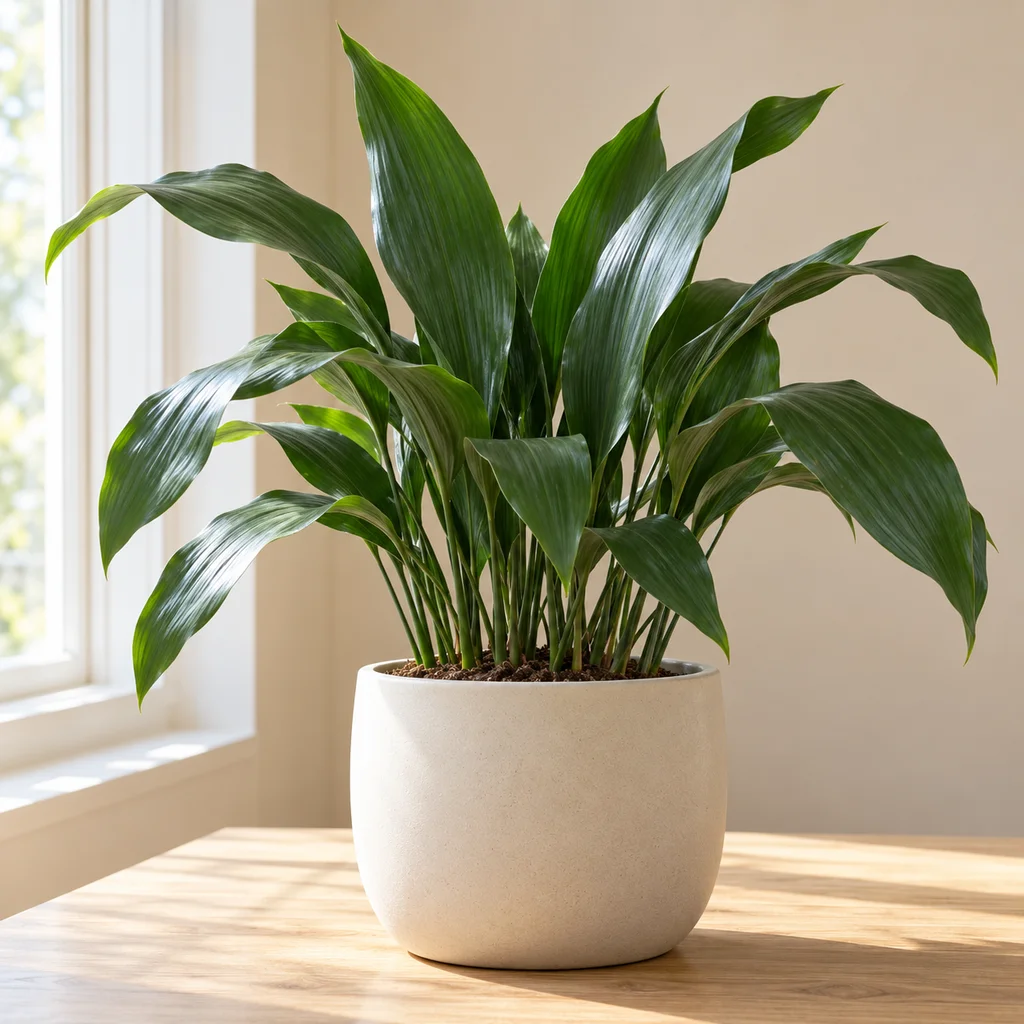
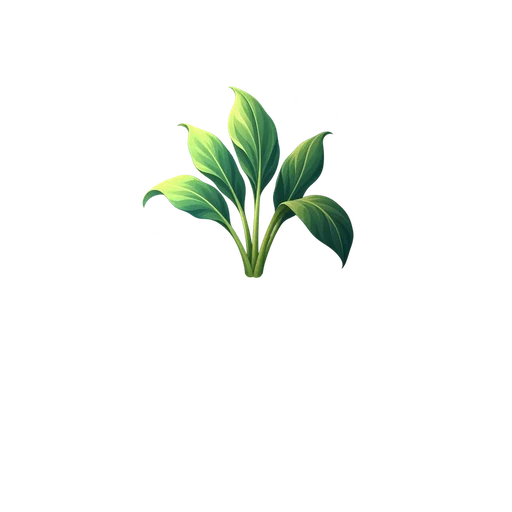
Clumping rhizomatous evergreen perennial forming lush rosettes of broad, arching solid-green strap leaves without trailing runners.
Botanical sheet
- Family
- Asparagaceae
- Origin
- South Africa
- Size
- 30–50 cm
- Climate
- 15–25 °C · ≥ 10 °C
What's wrong with your plant?
Pet safety Toxicity unverified
There is no species-specific toxicity verification for this plant on ASPCA. Check with your veterinarian or search the ASPCA directory before keeping it within reach of pets.
Open the toxicity checkerCommon questions
How is it different from the common spider plant (Chlorophytum comosum)?
Unlike C. comosum, it does not typically produce long trailing runners with baby plantlets, forming a broader, denser upright clump.