Cast iron plant
Aspidistra elatiorUpdated
True low-light champion grown from slow spreading rhizomes. Forgives dry spells and dim hallways far better than scorching sun or soggy winter soil.
Essential care to help it thrive
Light and placement
It tolerates bright shade; avoid strong direct sun on leaves.
Climate and season
Slow growth allows weeks of observation without forcing feeding or repotting.
Soil and repotting
Use an aerated loam or peat-free potting mix amended with 25% perlite in a snug draining pot. Repot only every 3–4 years in spring.
Conditions vary with pot, season and location. Always check the mix and your plant's response.
Cast iron plant: when to check the soil
Check the mix before watering and let it drain; a large pot dries more slowly.
Let Grovia remind you when to check your Cast iron plantSave the plant, get watering reminders and adjust the rhythm as the seasons change. Free on iPhone and Android.
See table by pot size
| Ø | Summer | Winter |
|---|---|---|
| 10 cm | 6–9 days | 13–18 days |
| 15 cm | 8–11 days | 16–22 days |
| 25 cm | 11–15 days | 21–29 days |
How to identify it
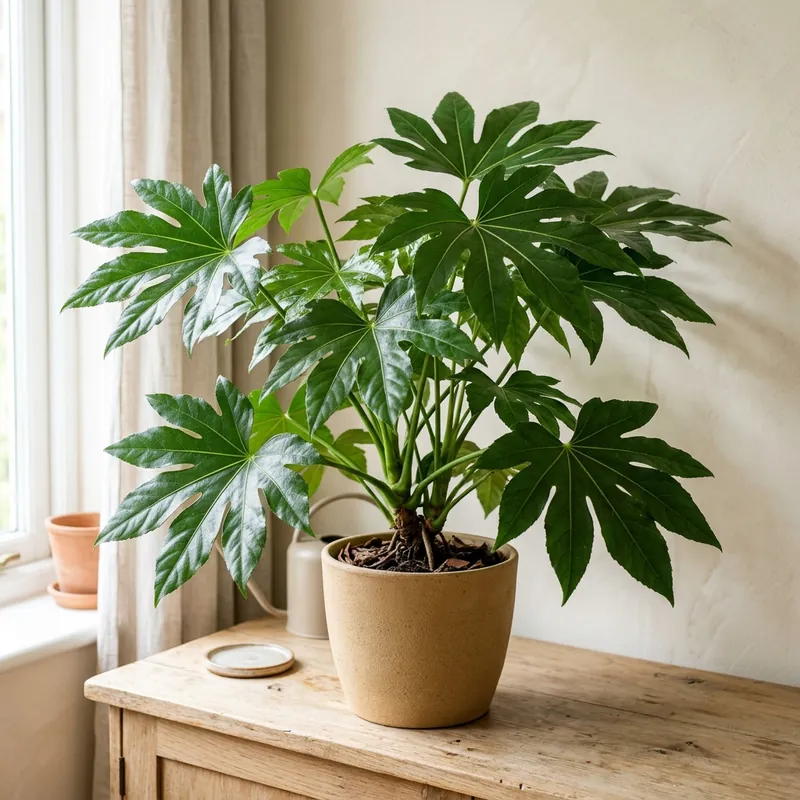
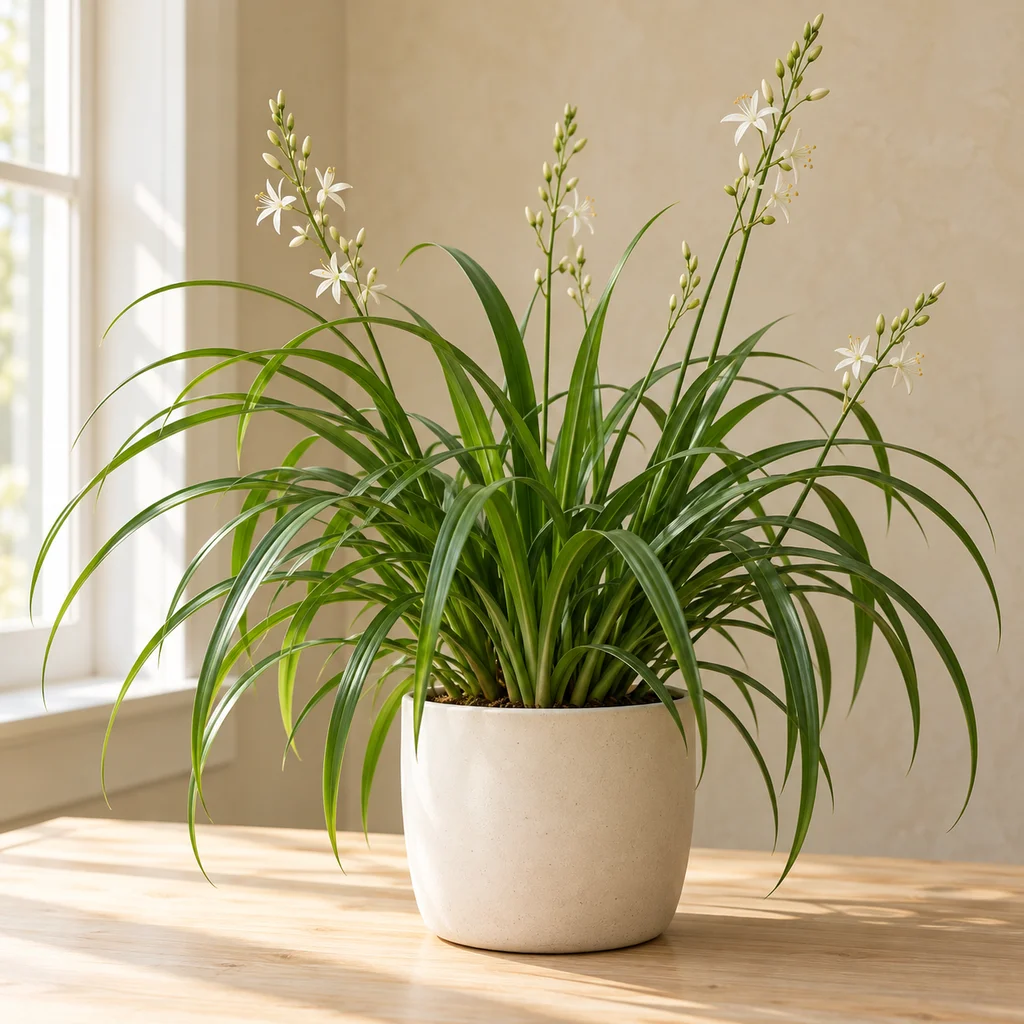
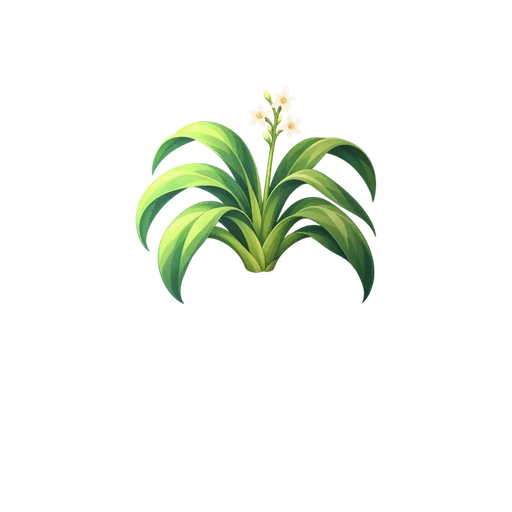
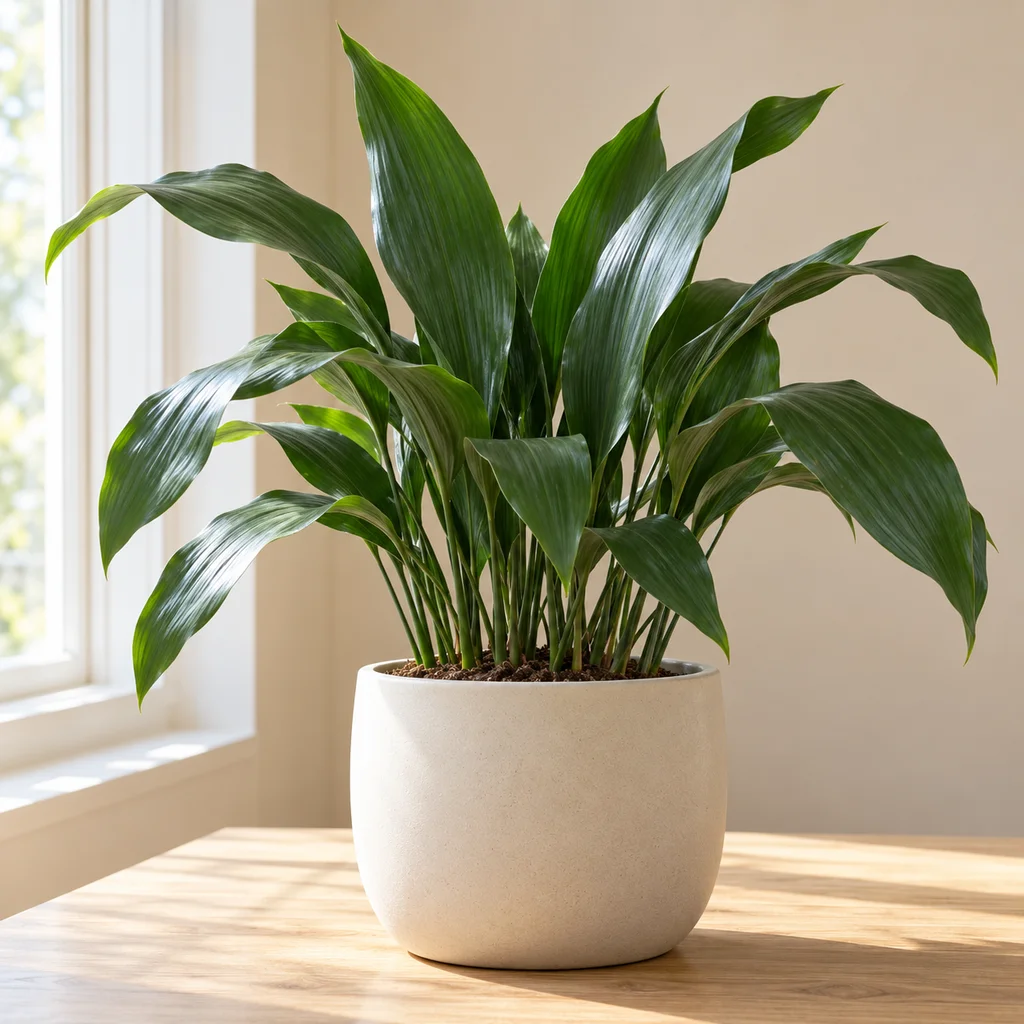
Long elliptical leaves arise directly from rhizomes near the soil, forming a slow-growing clump.
Botanical sheet
- Family
- Asparagaceae
- Origin
- Japan (Ryukyu Is.)
- Size
- 60–75 cm clumps
- Climate
- 10–24 °C · min. -5 °C
What's wrong with your plant?
Pet safety Pet-friendly
ASPCA lists this species as non-toxic to cats and dogs. Even so, prevent heavy chewing or ingestion of potting mix or fertiliser.
See the ASPCA entryCommon questions
Does it suit low light?
It tolerates more shade than many houseplants, though it still needs light to grow.
How fast does a cast iron plant grow?
Very slowly by nature, pushing a handful of sturdy new leaves each spring once the rhizomes settle.
When should you repot Aspidistra elatior?
Only every 3–4 years when thick rhizomes press firmly against the pot wall, never into an oversized tub.