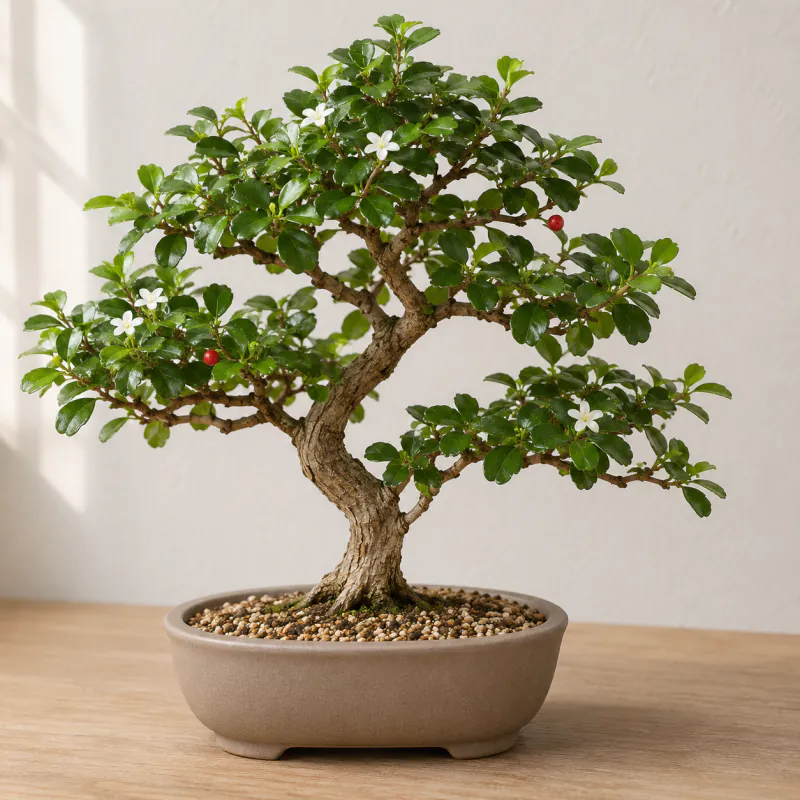
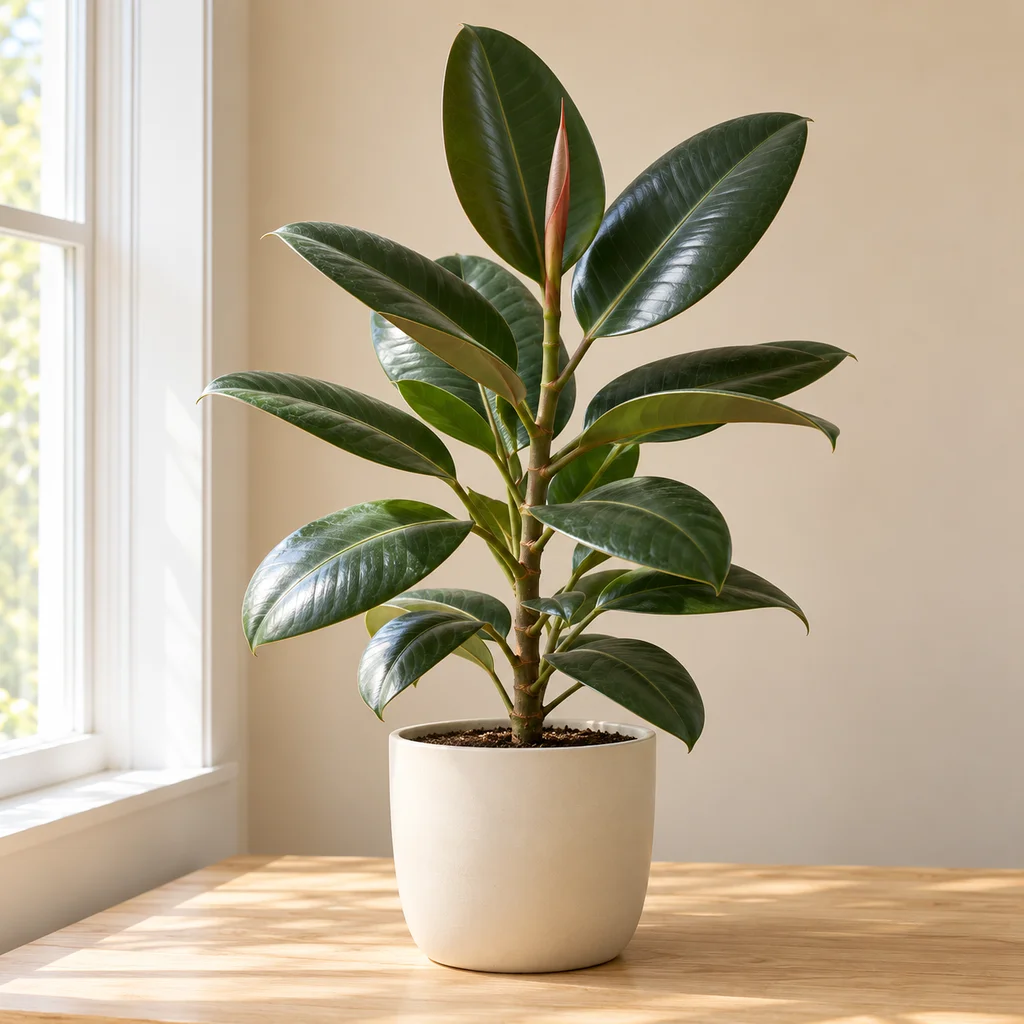
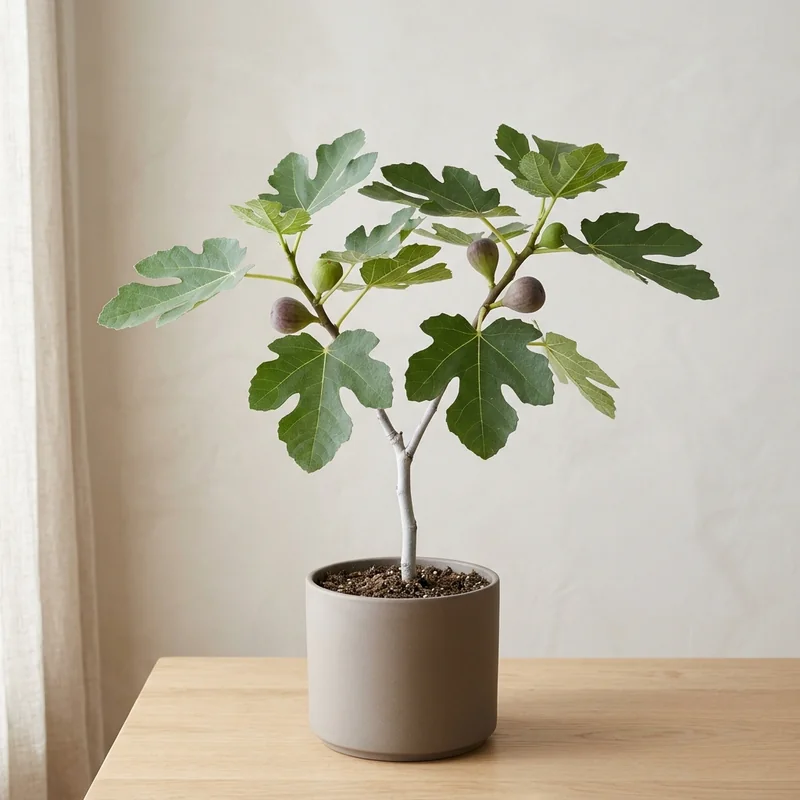
Chinese banyan (Ficus microcarpa)
Ficus microcarpaUpdated
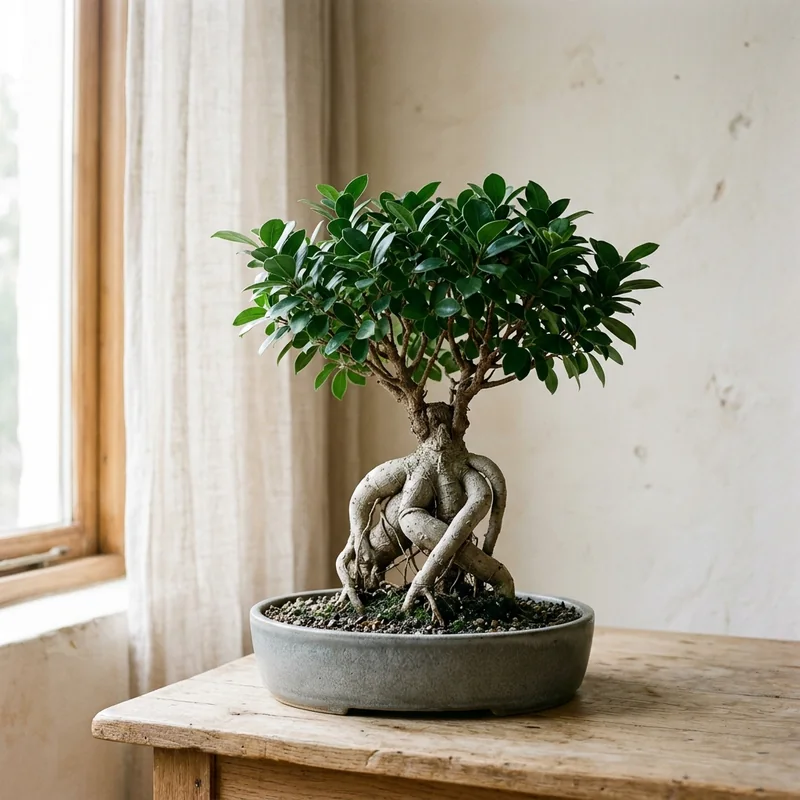
Architectural evergreen ficus prized for glossy oval foliage and sculptural aerial roots in 'Ginseng' bonsai form. Thrives in bright light, steady warmth and airy soil.
Essential care to help it thrive
Light and placement
Give one permanent bright spot with filtered light or mild morning sun. Low light thins inner branches and triggers premature leaf drop across the canopy.
Climate and season
Maintain steady indoor warmth (16–26 °C), safely above 10 °C, away from heaters and chilly drafts. RHS notes milky latex sap is a skin allergen, so wear gloves.
Soil and repotting
Plant in a draining pot or bonsai tray with peat-free loam-based potting mix blended with coarse grit or pumice for crisp root aeration.
Conditions vary with pot, season and location. Always check the mix and your plant's response.
Chinese banyan (Ficus microcarpa): when to check the soil
Check until the upper 3–4 cm feels dry every 6–9 days in summer (10–14 days in winter), then water thoroughly and drain the saucer right away.
Let Grovia remind you when to check your Chinese banyan (Ficus microcarpa)Save the plant, get watering reminders and adjust the rhythm as the seasons change. Free on iPhone and Android.
See table by pot size
| Ø | Summer | Winter |
|---|---|---|
| 10 cm | 5–7 days | 10–13 days |
| 15 cm | 6–8 days | 12–17 days |
| 25 cm | 8–11 days | 16–22 days |
How to identify it
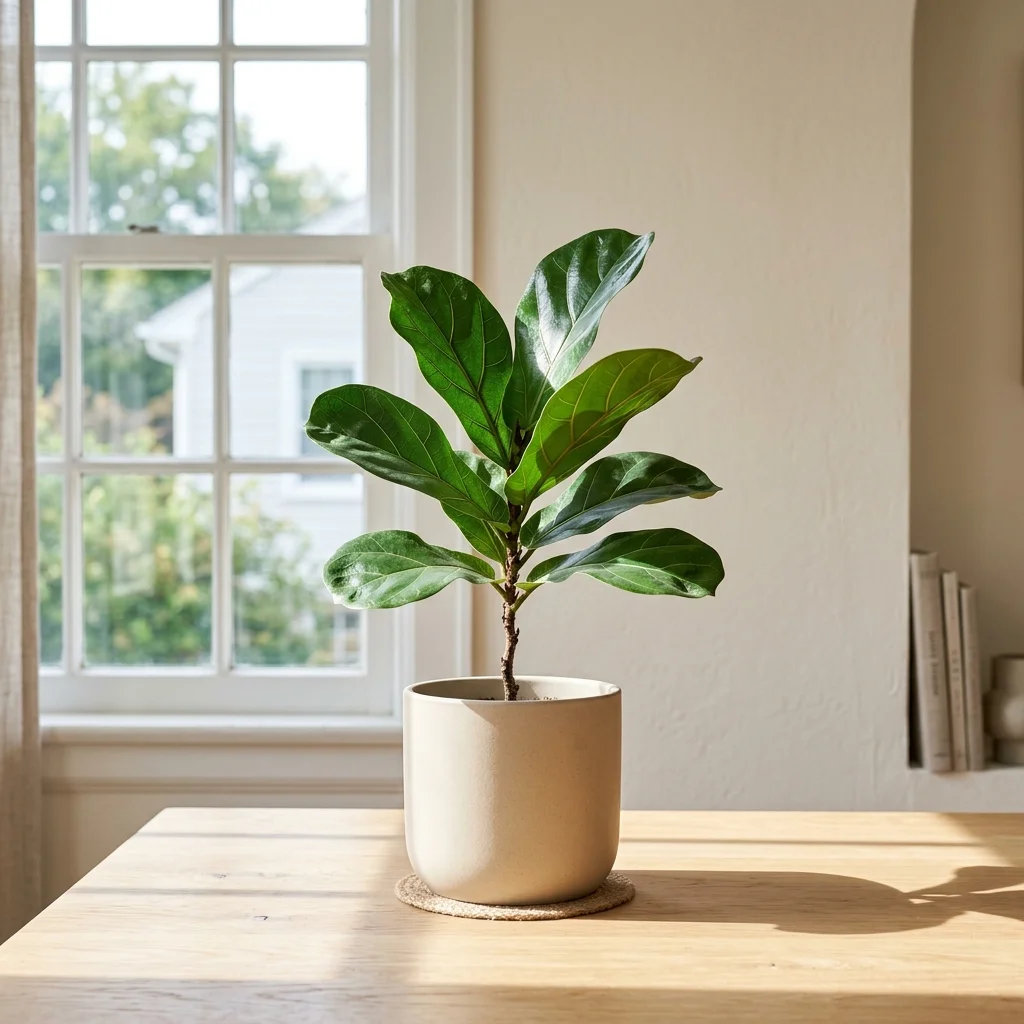
Dense canopy of small glossy dark-green oval leaves above twisted exposed aerial roots. Compact 'Ginseng' bonsai are often mislabelled as Ficus retusa.
Botanical sheet
- Family
- Moraceae
- Origin
- Tropical Asia · Australia
- Size
- 0.5–4 m potted (> 12 m)
- Climate
- 16–26 °C · min. 10 °C
What's wrong with your plant?
Pet safety Toxicity unverified
There is no species-specific toxicity verification for this plant on ASPCA. Check with your veterinarian or search the ASPCA directory before keeping it within reach of pets.
Open the toxicity checkerCommon questions
Why does Ficus microcarpa drop green leaves after moving?
Ficus sheds older leaves whenever light or temperature shifts abruptly; keep it in one bright, draft-free spot and fresh shoots will replace them.
Is Ginseng ficus the same as Ficus retusa?
No, they are distinct species, though most commercial Ginseng bonsai sold as Ficus retusa are botanically Ficus microcarpa.
Does the white sap irritate skin during pruning?
Yes. RHS warns Ficus microcarpa sap can cause skin allergic reactions, so wear gloves when trimming shoots.