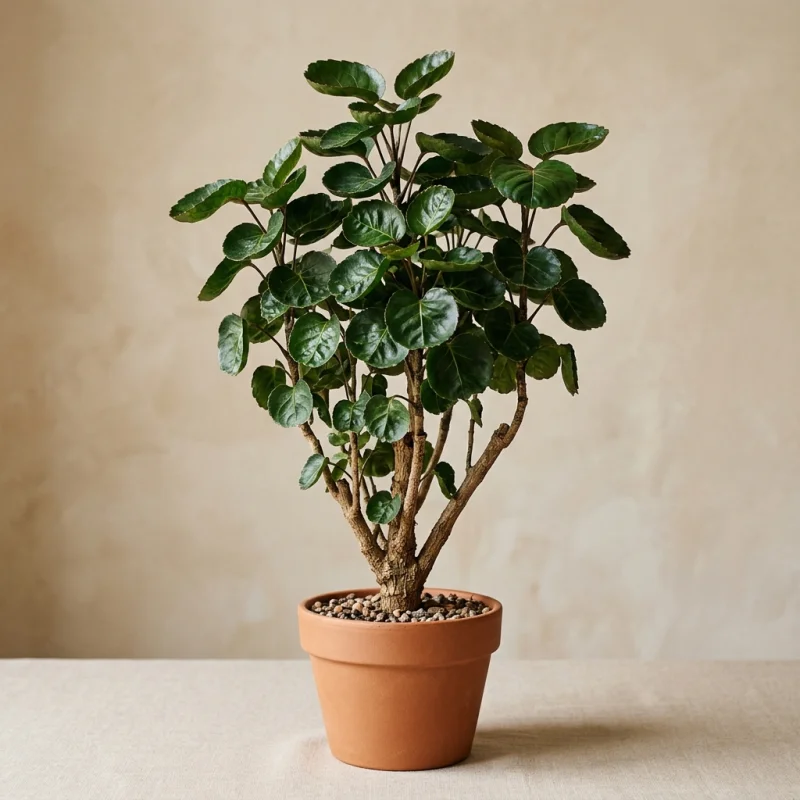
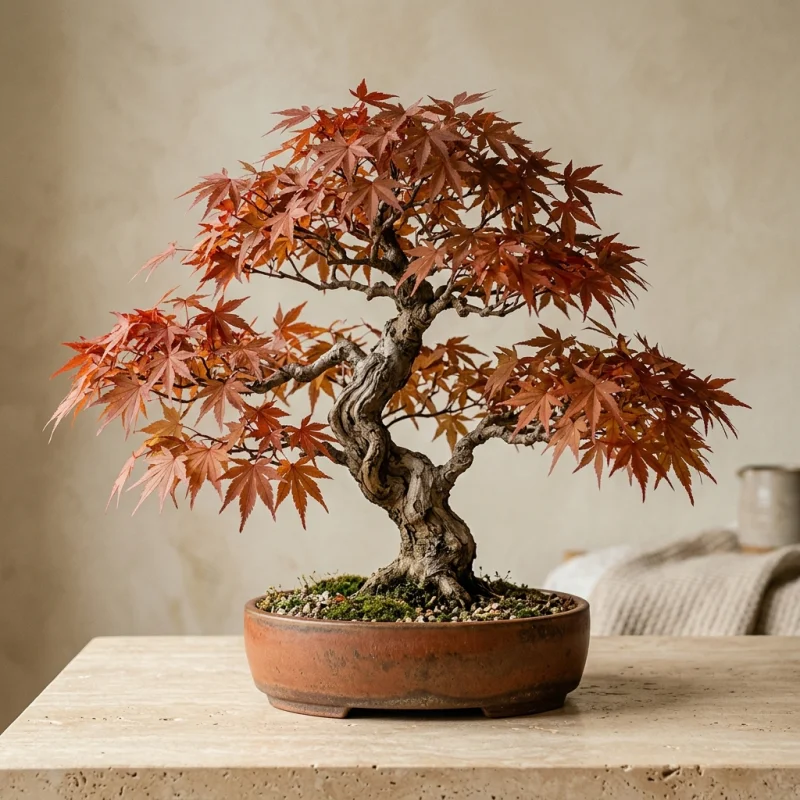
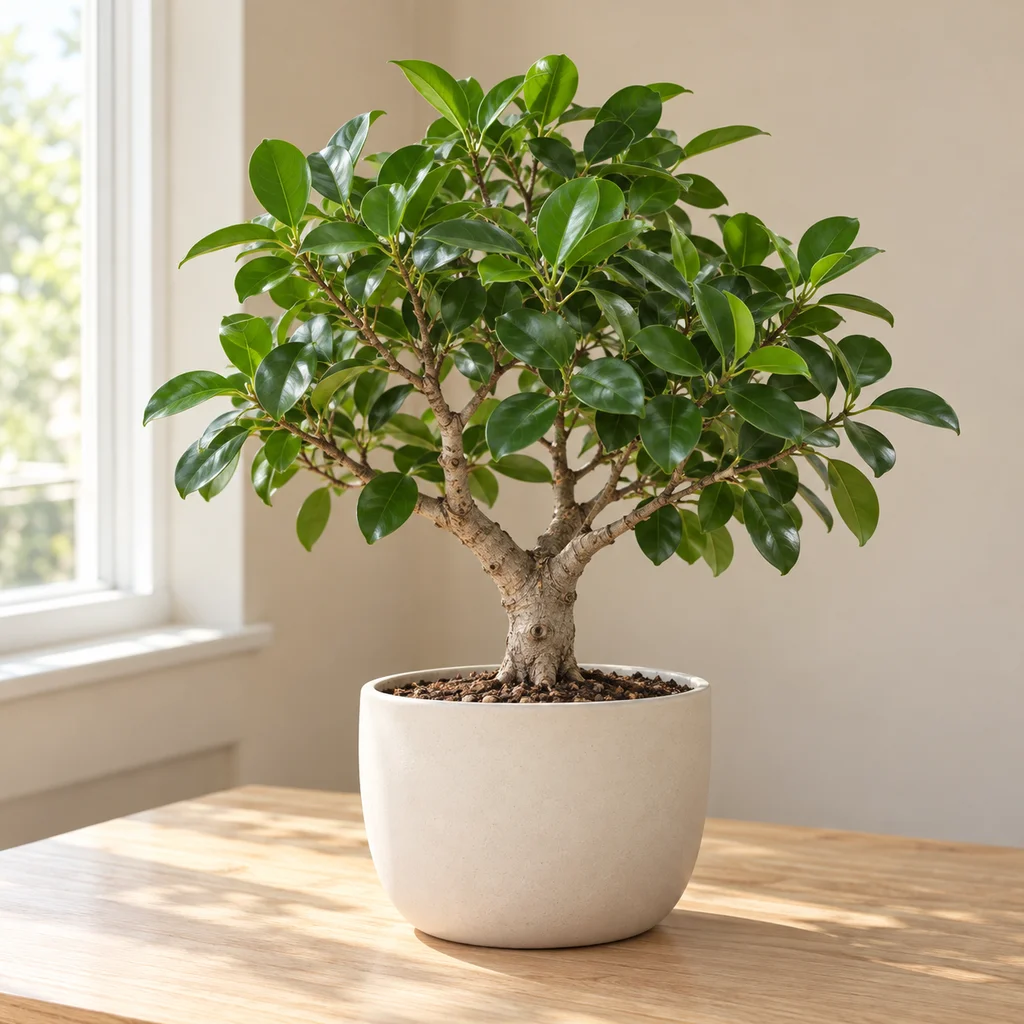
Fukien Tea Bonsai (Ehretia microphylla)
Ehretia microphyllaUpdated
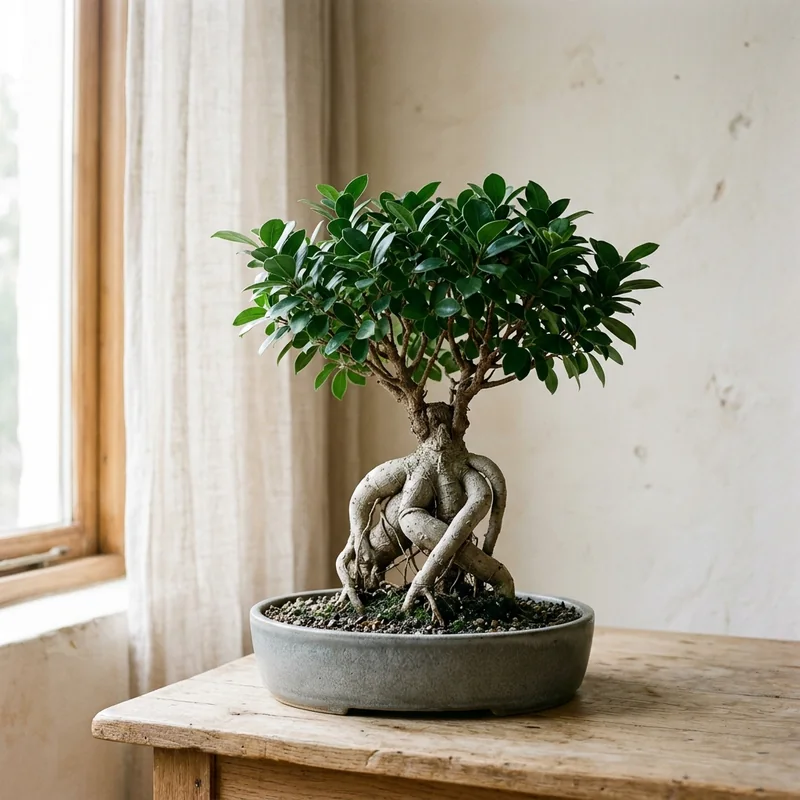
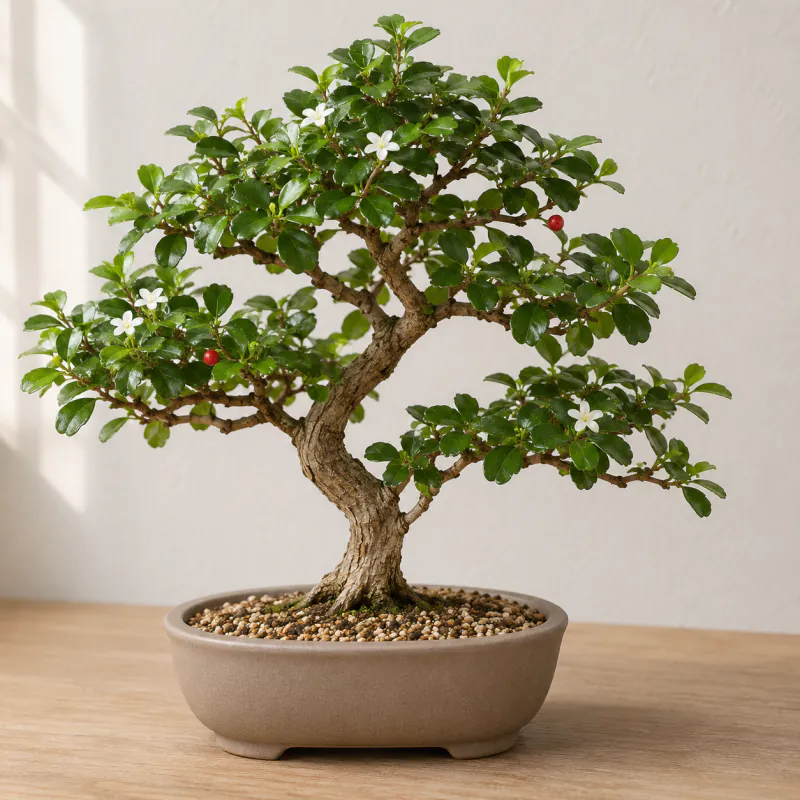
Beloved tropical indoor bonsai adorned with bristled glossy leaves, dainty white star blooms, and red berries. Needs bright warmth, draft protection, and steady watering.
Essential care to help it thrive
Light and placement
Set right beside a very bright window receiving soft morning sun or bright filtered daylight all year; gloomy corners rapidly trigger twig dieback and leaf drop.
Climate and season
Demand stable tropical room warmth away from open winter windows, cold drafts, or blasting radiators; avoid shifting positions frequently once settled well.
Soil and repotting
Plant in shallow drained bonsai trays packed with free-draining akadama and pumice or volcanic grit.
Conditions vary with pot, season and location. Always check the mix and your plant's response.
Fukien Tea Bonsai (Ehretia microphylla): when to check the soil
Check shallow bonsai trays often because granular compost dries briskly: drench cleanly once upper grains lighten, avoiding bone-dry wilt or stale wet saucers.
Let Grovia remind you when to check your Fukien Tea Bonsai (Ehretia microphylla)Save the plant, get watering reminders and adjust the rhythm as the seasons change. Free on iPhone and Android.
See table by pot size
| Ø | Summer | Winter |
|---|---|---|
| 10 cm | 5–7 days | 10–13 days |
| 15 cm | 6–8 days | 12–17 days |
| 25 cm | 8–11 days | 16–22 days |
How to identify it
Woody bonsai shrub bearing tiny rough dark-green white-dotted foliage, tiny starry white blossoms, and red fruits; widely sold as Carmona retusa.
Botanical sheet
- Family
- Boraginaceae
- Origin
- Southern China, Taiwan, Southeast Asia, and northern Australia
- Size
- ≈ 1.5–2.5 m · Compact indoor bonsai tree
- Climate
- ≈ 18–25 °C · ≥ 10 °C · Warm steady indoor room
Approximate figures: reference sources do not publish exact data for this species.
What's wrong with your plant?
Pet safety Toxicity unverified
There is no species-specific toxicity verification for this plant on ASPCA. Check with your veterinarian or search the ASPCA directory before keeping it within reach of pets.
Open the toxicity checkerCommon questions
Are the tiny white dots scattered across Fukien Tea leaves a pest?
No—tiny white calcified dots carrying short stiff hairs are completely natural traits of the leaf surface, easily told apart from soft wipeable mealybugs.
Why does a new Carmona bonsai drop leaves right after arriving indoors?
Rapid changes in light intensity and cool travel drafts shock tropical roots briefly; steady warm window light and patient moisture help fresh buds push cleanly.
Can Fukien Tea move outside onto a sunny patio in warm weather?
Yes during warm frost-free summer days with light afternoon shade, provided pots return indoors promptly before cool autumn night air arrives.