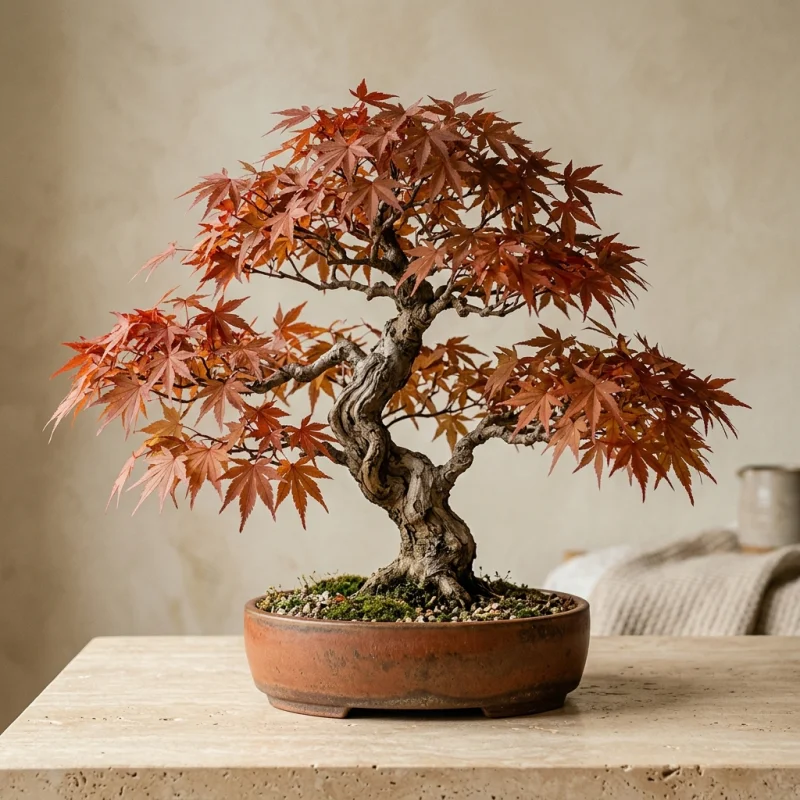
Ficus retusa (Ginseng fig)
Ficus retusaUpdated
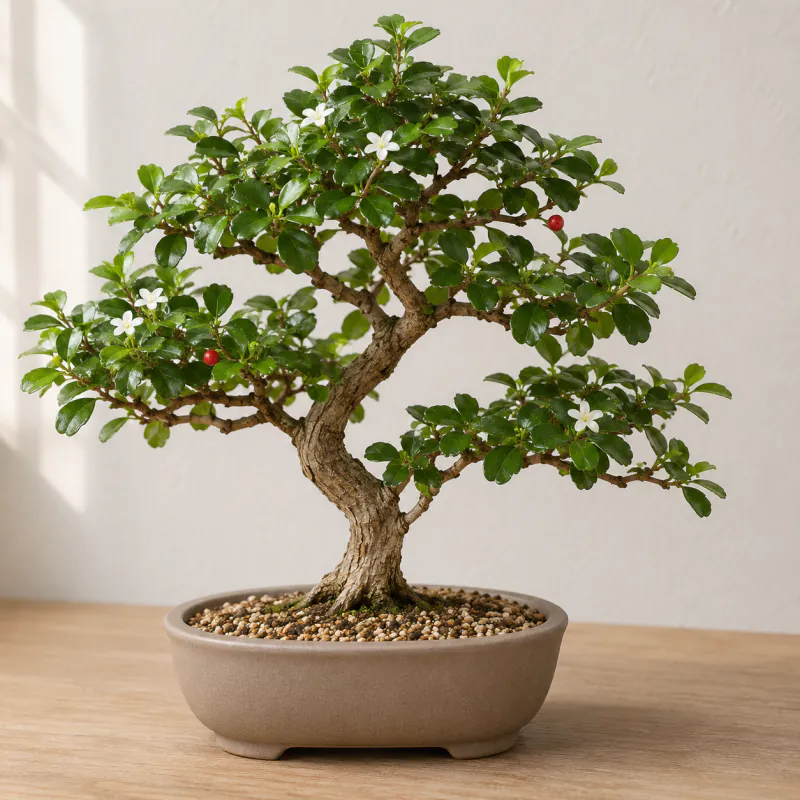
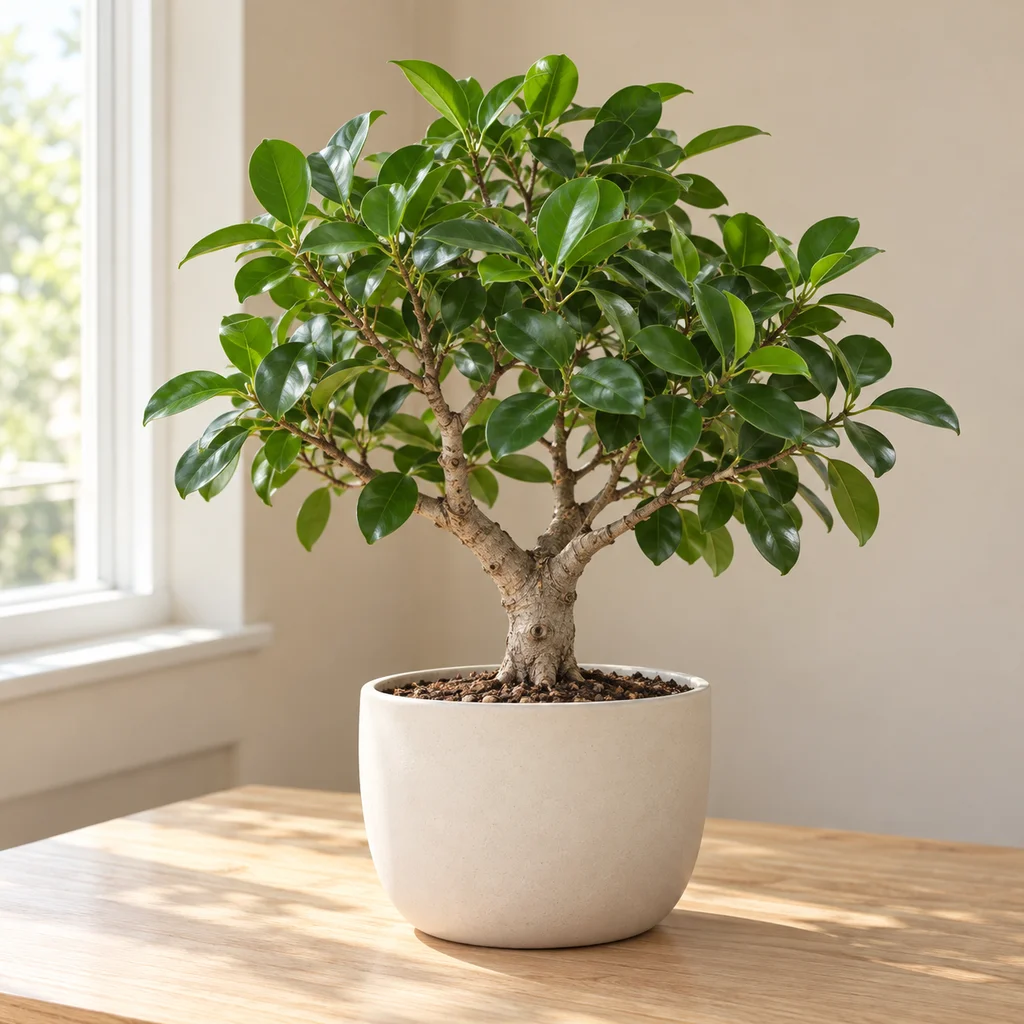
Sculptural indoor bonsai with swollen aerial roots. Golden rule: keep in a permanent bright spot protected from cold drafts and overwatering.
Essential care to help it thrive
Light and placement
Bright indirect light with gentle morning sun. Ample brightness is essential to keep the compact canopy full of leaves.
Climate and season
Warm, stable indoor temperatures (18-25 °C / 65-77 °F). Highly sensitive to cold drafts and sudden relocations.
Soil and repotting
Airy, fast-draining potting mix. Use a pot with generous drainage to protect swollen caudex roots from rot.
Conditions vary with pot, season and location. Always check the mix and your plant's response.
Ficus retusa (Ginseng fig): when to check the soil
Water thoroughly once the top inch of mix dries out; ensure complete drainage and water less during cooler months.
Let Grovia remind you when to check your Ficus retusa (Ginseng fig)Save the plant, get watering reminders and adjust the rhythm as the seasons change. Free on iPhone and Android.
See table by pot size
| Ø | Summer | Winter |
|---|---|---|
| 10 cm | 5–7 days | 10–13 days |
| 15 cm | 6–8 days | 12–17 days |
| 25 cm | 8–11 days | 16–22 days |
How to identify it
Evergreen tree or indoor bonsai featuring sculptural swollen aerial roots and a dense canopy of small, glossy leathery dark-green leaves.
Botanical sheet
- Family
- Moraceae
- Origin
- Malaysia · Indonesia
- Size
- 1.5–2.5 m bonsai
- Climate
- 16–26 °C · min. 12 °C
What's wrong with your plant?
Pet safety Toxicity unverified
There is no species-specific toxicity verification for this plant on ASPCA. Check with your veterinarian or search the ASPCA directory before keeping it within reach of pets.
Open the toxicity checkerCommon questions
Why is my ginseng ficus dropping green leaves after moving it?
Ficus reacts strongly to changes in light and temperature; choose a permanent bright spot, avoid moving it, and new growth will soon appear.
How and when should I prune a ginseng ficus?
Prune in late spring, trimming leggy branches back to two leaves to keep the canopy dense. Stems bleed milky latex sap that naturally seals the cut wounds.
How do you propagate a ginseng ficus?
Take 10–12 cm semi-hardwood tip cuttings in spring. Rinse the milky sap in warm water, then pot into moist perlite mix under a clear plastic cover at 22 °C.