Chinese Wisteria (Wisteria sinensis)
Wisteria sinensisUpdated
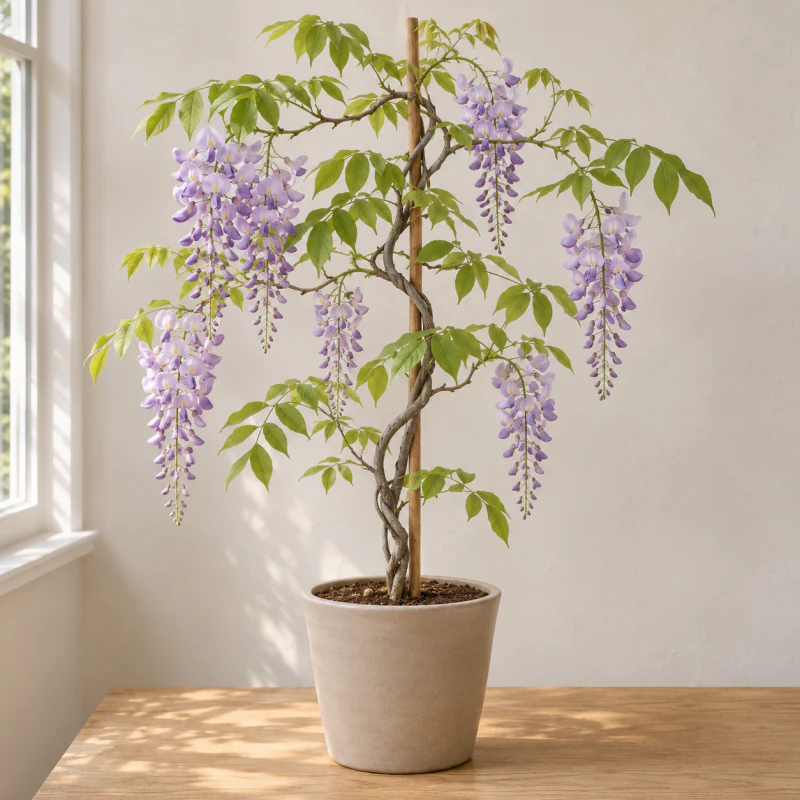
Vigorous woody deciduous climber cascading with fragrant lilac-blue racemes before leaf-out in spring. Needs sturdy framing, twice-yearly pruning, and ASPCA caution.
Essential care to help it thrive
Light and placement
Position in open full sun for best bud set on tight lateral spurs; heavy shade creates endless green whip growth with disappointing spring bloom.
Climate and season
Cold-hardy outdoors between 8 and 30 °C down to -15 °C once established; anchor onto heavy steel wires or timber pergolas rather than weak plastic trellises.
Soil and repotting
Use the largest frostproof tub possible filled with free-draining, humus-rich loam and base drainage gravel.
Conditions vary with pot, season and location. Always check the mix and your plant's response.
Chinese Wisteria (Wisteria sinensis): when to check the soil
Water deeply whenever upper compost dries during spring bud swell and summer foliage, keeping pots drier in winter without leaves so soil stays aerated.
Let Grovia remind you when to check your Chinese Wisteria (Wisteria sinensis)Save the plant, get watering reminders and adjust the rhythm as the seasons change. Free on iPhone and Android.
See table by pot size
| Ø | Summer | Winter |
|---|---|---|
| 10 cm | 4–5 days | 7–10 days |
| 15 cm | 5–6 days | 9–13 days |
| 25 cm | 6–9 days | 12–17 days |
How to identify it
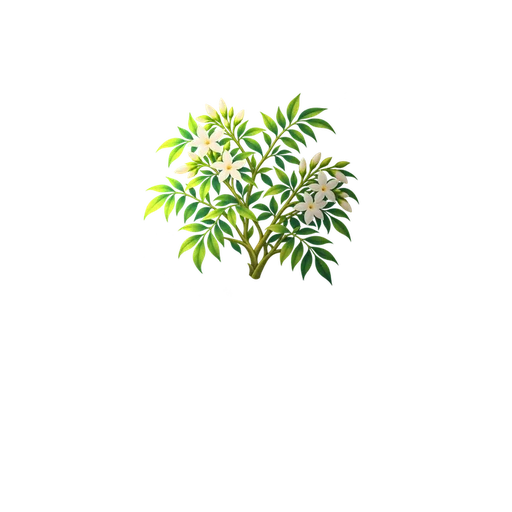
Woody anticlockwise-twining climber with pinnate leaves and dangling mauve-violet spring racemes opening together; originally named Glycine sinensis.
Botanical sheet
- Family
- Fabaceae
- Origin
- Central and southern China
- Size
- 2–4 m pruned pot (>12 m)
- Climate
- 8–30 °C · min -15 °C
What's wrong with your plant?
Pet safety Toxic to pets
ASPCA lists this species as toxic to cats and dogs. Keep pets from chewing it; contact a veterinarian if ingestion is suspected.
Toxic principles and clinical signs quoted from the ASPCA database.
See the ASPCA entryCommon questions
Why does Chinese Wisteria need pruning twice every single year?
Cutting long whippy shoots to five leaves in mid-summer checks leafy vigor, then shortening them to two or three buds in mid-winter packs flowering spurs close to wood.
Which way does Wisteria sinensis twine around pergola posts?
Chinese Wisteria climbs strictly anticlockwise with muscular twisting stems that crush weak gutters or plastic mesh over time, so build solid metal supports.
Why should urban growers always buy grafted Wisteria instead of seedlings?
Seed-grown plants spend seven to fifteen years making woody stems before flowering, while named grafted varieties carry mature blooming wood from the start.