Kris plant
Alocasia sanderianaUpdated
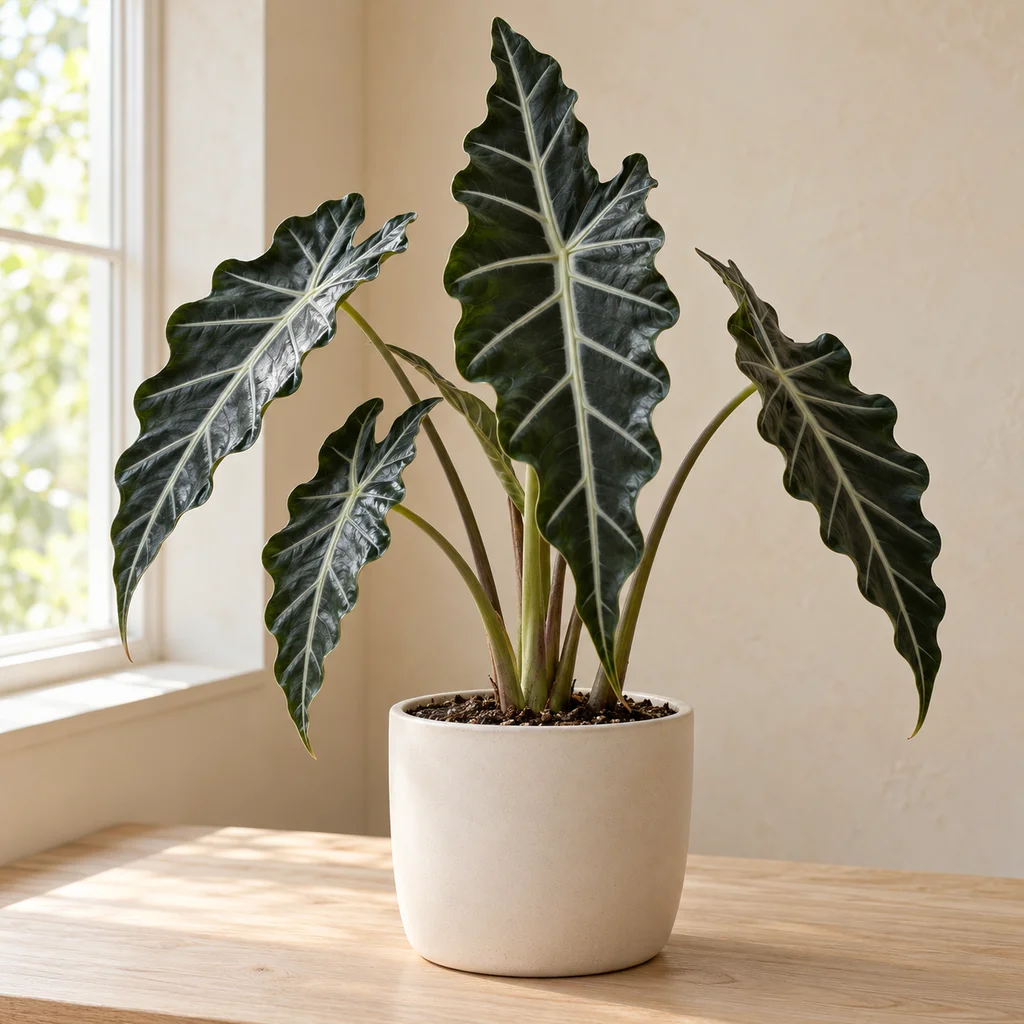
Compact metallic-veined Kris plant requiring steady warmth above 16 °C, chunky fast-draining bark soil, and gentle filtered light.
Essential care to help it thrive
Light and placement
Bright filtered or dappled light. Direct sun scorches the leaves, while deep shade causes weak, floppy stems.
Climate and season
Warm, humid conditions (20-27 °C / 68-80 °F). Vulnerable to cold drafts and temperatures dropping under 16 °C (61 °F).
Soil and repotting
Build an airy chunky aroid blend with zero water pooling.
Conditions vary with pot, season and location. Always check the mix and your plant's response.
Kris plant: when to check the soil
Keep the mix evenly moist but well-drained during warm months; let topsoil dry out partially in winter.
Let Grovia remind you when to check your Kris plantSave the plant, get watering reminders and adjust the rhythm as the seasons change. Free on iPhone and Android.
See table by pot size
| Ø | Summer | Winter |
|---|---|---|
| 10 cm | 3–4 days | 6–9 days |
| 15 cm | 4–6 days | 8–11 days |
| 25 cm | 5–7 days | 11–15 days |
How to identify it
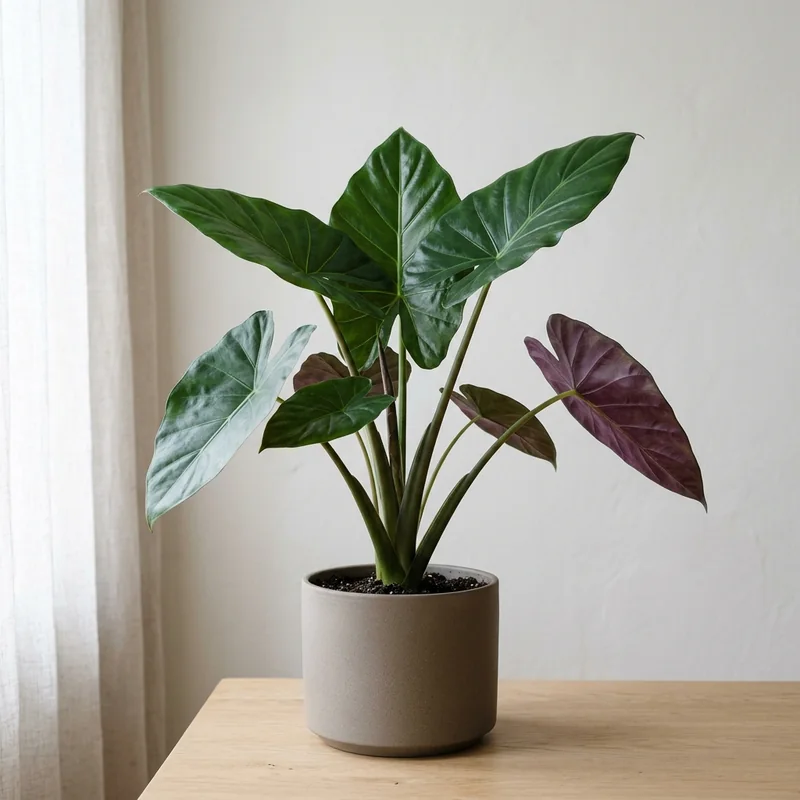
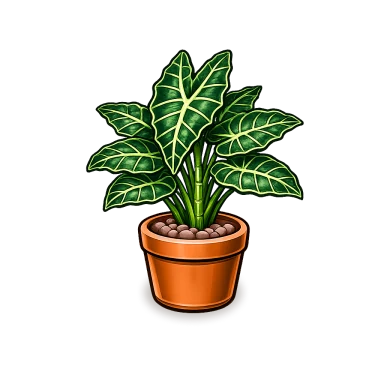
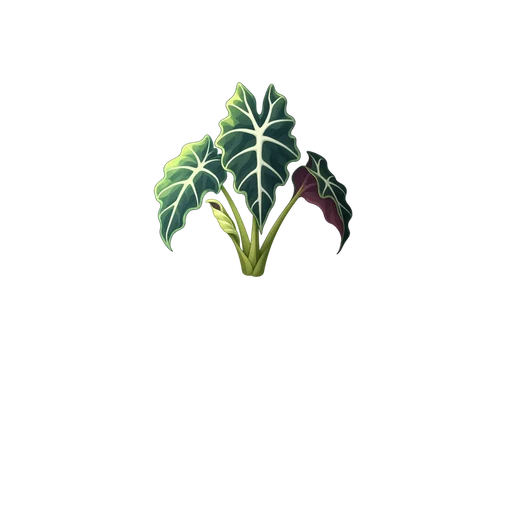
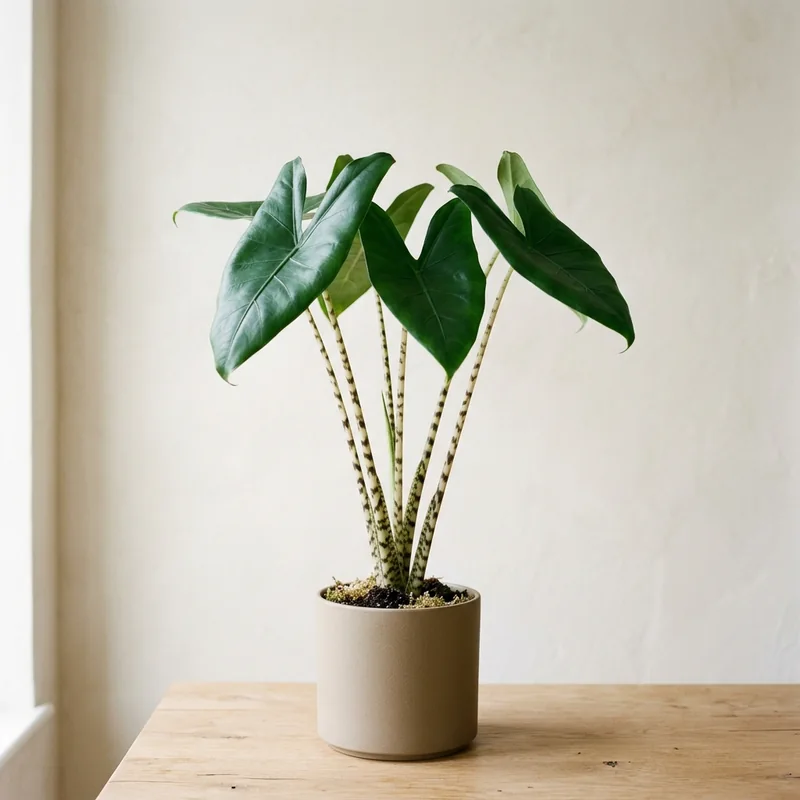
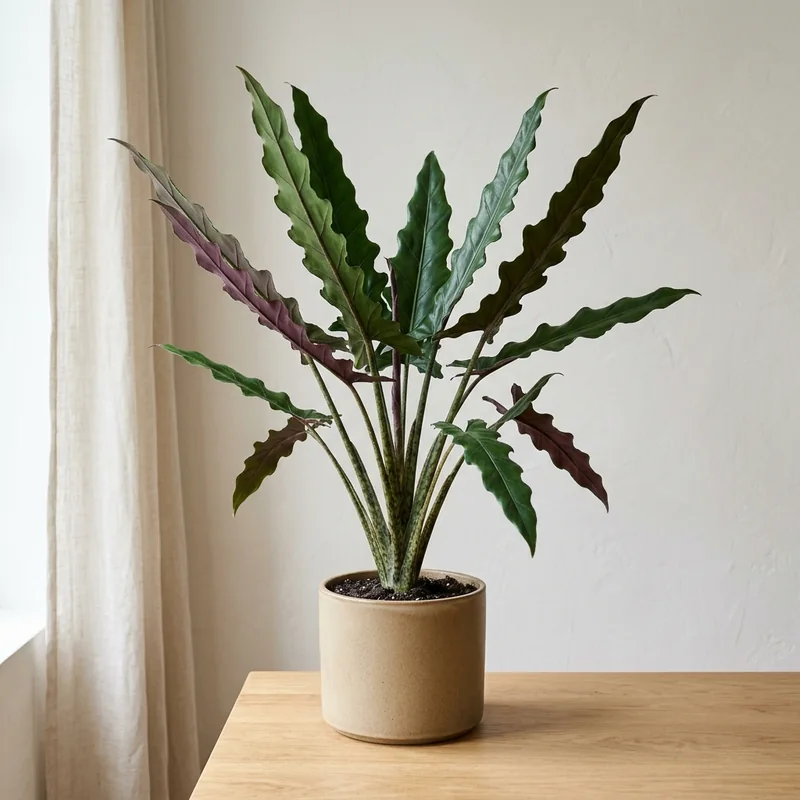
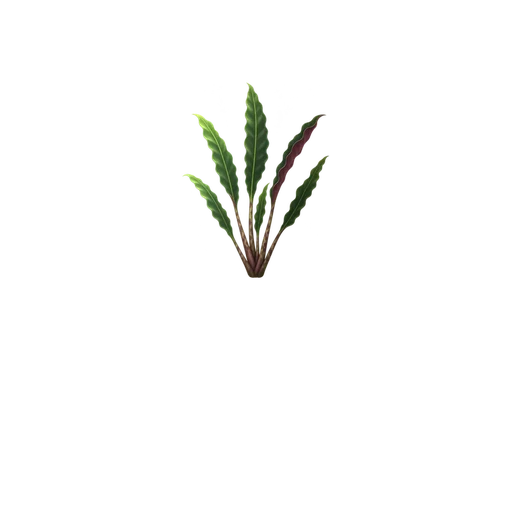
Dramatic tropical aroid featuring deeply scalloped V-shaped leaves of metallic dark green with striking silver-white veins.
Botanical sheet
- Family
- Araceae
- Origin
- Philippines
- Size
- 50–100 cm compact
- Climate
- 18–28 °C · min. 16 °C
What's wrong with your plant?
Pet safety Toxic to pets
ASPCA lists this species as toxic to cats and dogs. Keep pets from chewing it; contact a veterinarian if ingestion is suspected.
Toxic principles and clinical signs quoted from the ASPCA database.
See the ASPCA entryCommon questions
Does the Kris plant go dormant in winter?
Yes, cooler temperatures or lower light can trigger partial winter dormancy; keep the rhizome barely moist and it will re-sprout in spring.
What potting substrate protects Kris plant rhizomes best?
A loose chunky mix heavy on pine bark and perlite or pumice keeps oxygen around roots and prevents soggy compaction.
How should I adjust warmth and winter watering?
Hold temperatures above 16 °C away from cold glass, checking every 8–11 days while leafy and keeping leafless dormant rhizomes mostly dry.