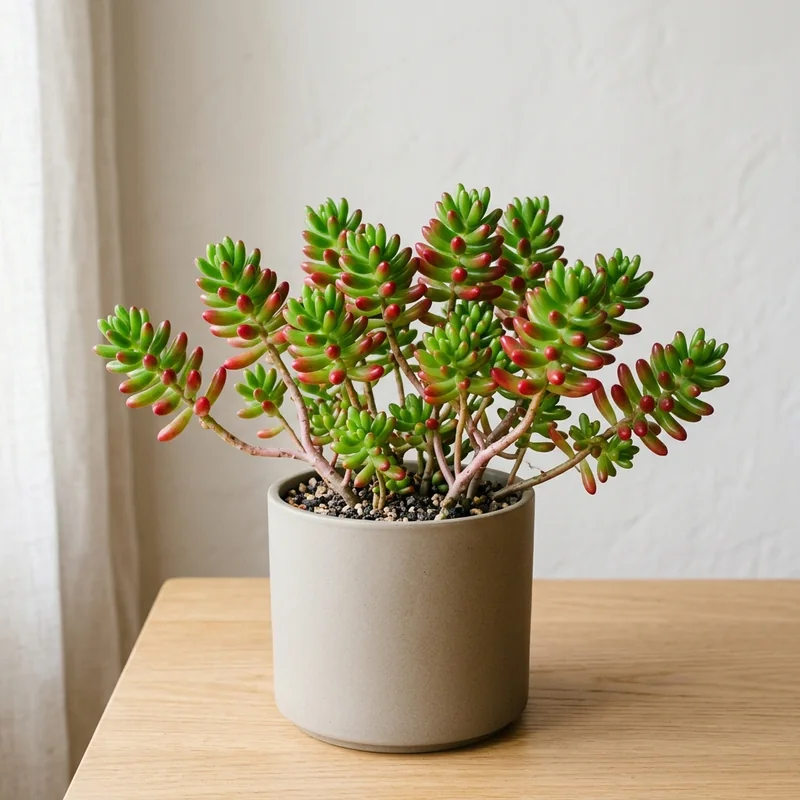
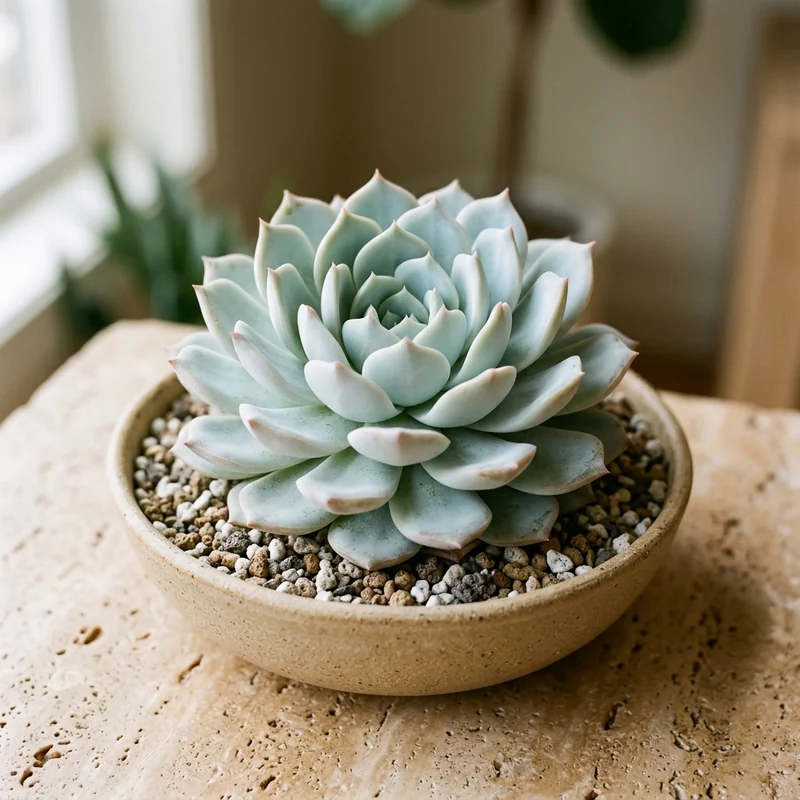
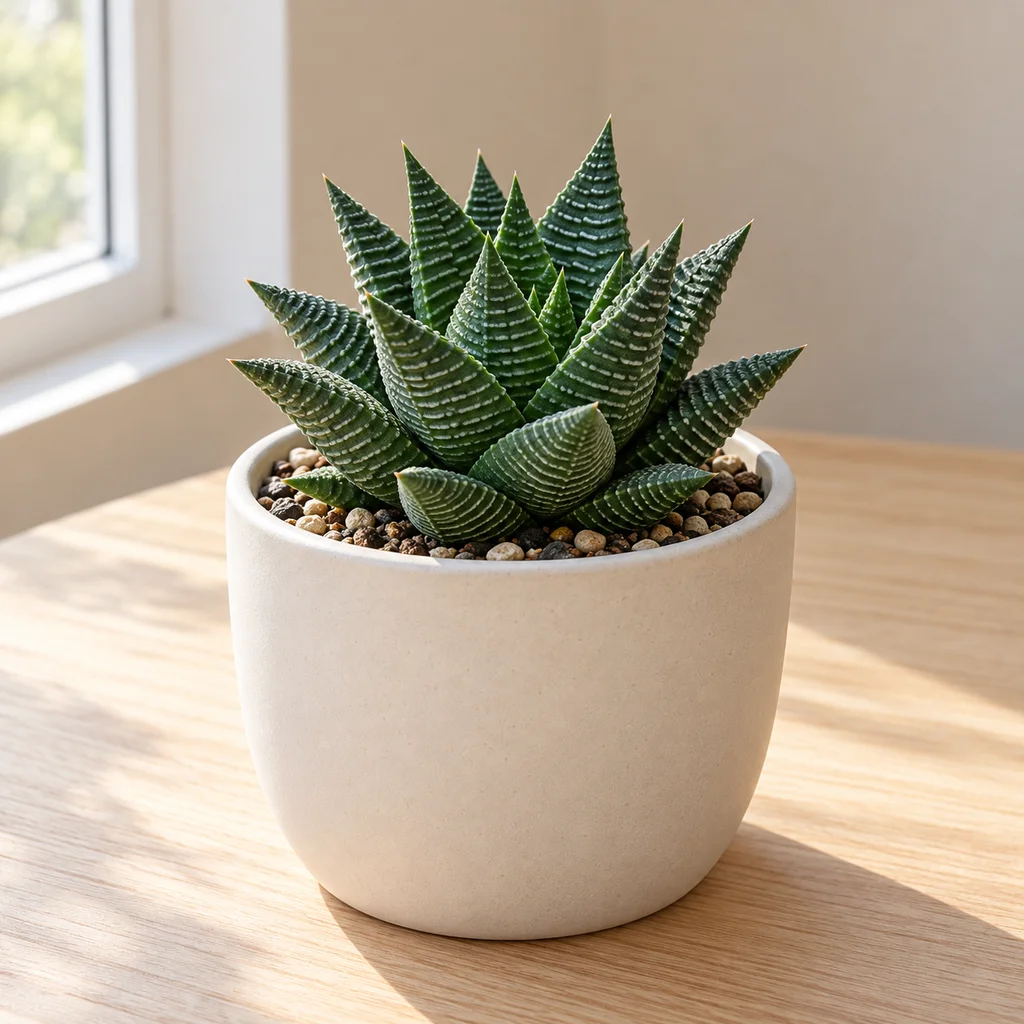
Lace aloe (Aristaloe aristata)
Aristaloe aristataUpdated
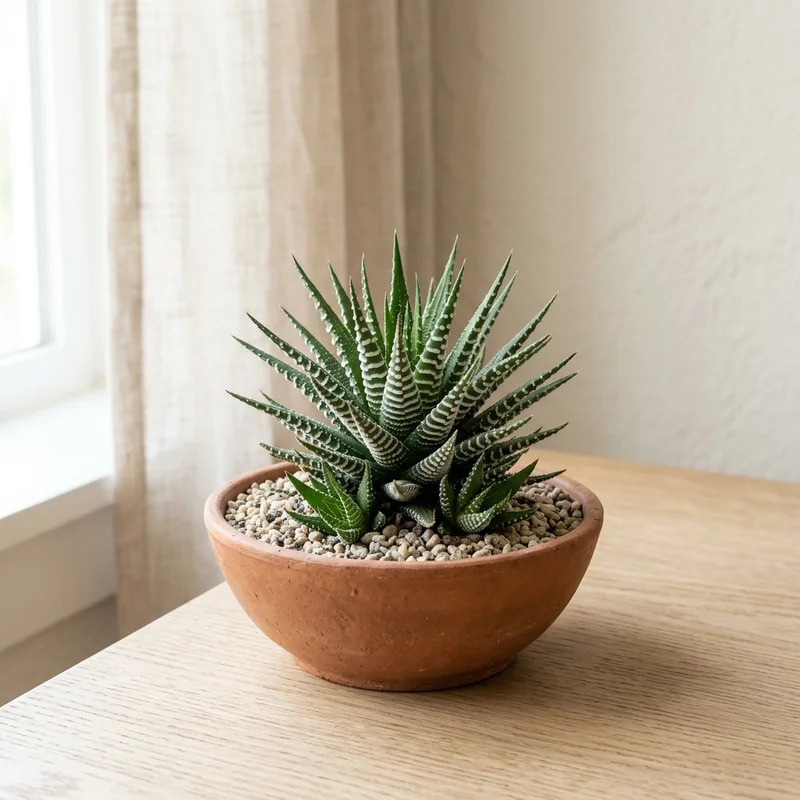
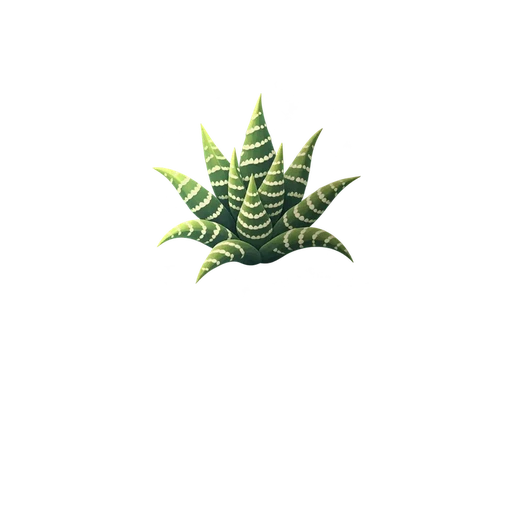
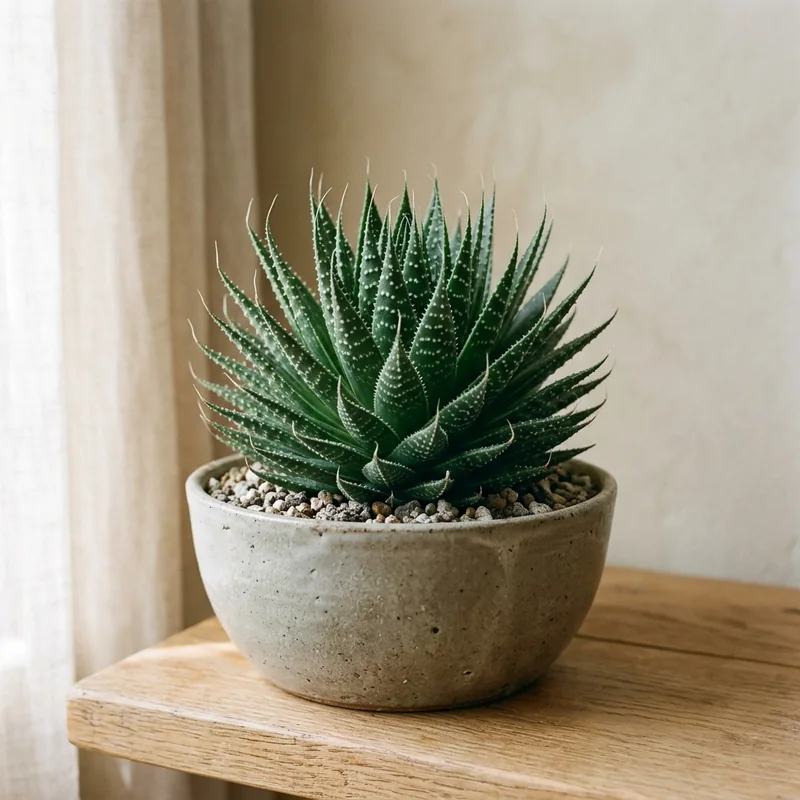
Compact stemless rosette of white-speckled succulent leaves tipped with fine hair-like awns and orange blooms. Loves bright sun, gritty cactus mix and full soil drying.
Essential care to help it thrive
Light and placement
Give full bright light or soft direct sun to keep rosettes tight and crisp; low light makes leaves stretch pale and flop loosely apart.
Climate and season
Very tolerant of dry room air and cool sheltered nights down near 1 °C when soil stays dry (RHS H2). Indoors it thrives between 10 and 26 °C with brisk ventilation.
Soil and repotting
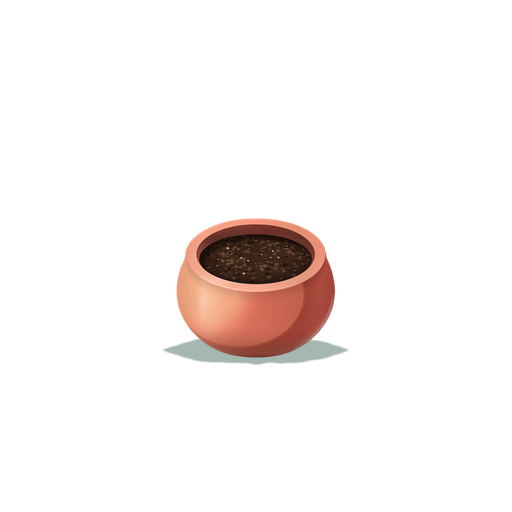
Free-draining gritty cactus mix heavy on pumice, lava grit and coarse mineral sand.
Conditions vary with pot, season and location. Always check the mix and your plant's response.
Lace aloe (Aristaloe aristata): when to check the soil
Soak deeply every 10–14 days during warm spring-to-autumn growth only once gritty media dries completely, then water very sparingly through winter dormancy without wetting crowns.
Let Grovia remind you when to check your Lace aloe (Aristaloe aristata)Save the plant, get watering reminders and adjust the rhythm as the seasons change. Free on iPhone and Android.
See table by pot size
| Ø | Summer | Winter |
|---|---|---|
| 10 cm | 7–10 days | 14–19 days |
| 15 cm | 9–12 days | 17–24 days |
| 25 cm | 11–16 days | 23–32 days |
How to identify it
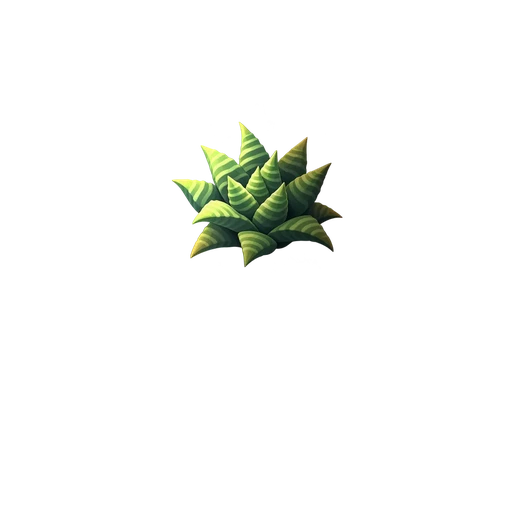
Dense stemless succulent rosettes of dark grey-green fleshy lance-shaped leaves dotted with raised white tubercles and delicate hair-like tips. Formerly sold as Aloe aristata.
Botanical sheet
- Family
- Asphodelaceae
- Origin
- South Africa · Lesotho
- Size
- 15–20 cm rosette
- Climate
- 10–26 °C · min 1 °C
What's wrong with your plant?
Pet safety Toxicity unverified
There is no species-specific toxicity verification for this plant on ASPCA. Check with your veterinarian or search the ASPCA directory before keeping it within reach of pets.
Open the toxicity checkerCommon questions
Is Lace Aloe used like medicinal Aloe vera?
No: botanists moved it to Aristaloe aristata; its slender tough leaves lack thick soothing aloe gel and RHS explicitly warns ingestion causes severe discomfort.
Does Aristaloe aristata share the mild household pet profile of haworthia?
No: unlike Haworthiopsis, it lacks a safe ASPCA listing and RHS advises washing hands after handling and keeping it away from pets.
Should I remove the many offsets growing at the base?
Leave them to form an architectural mounding clump in a wide pot, or divide rooted pups cleanly in spring.