Zebra haworthia
Haworthiopsis attenuataUpdated
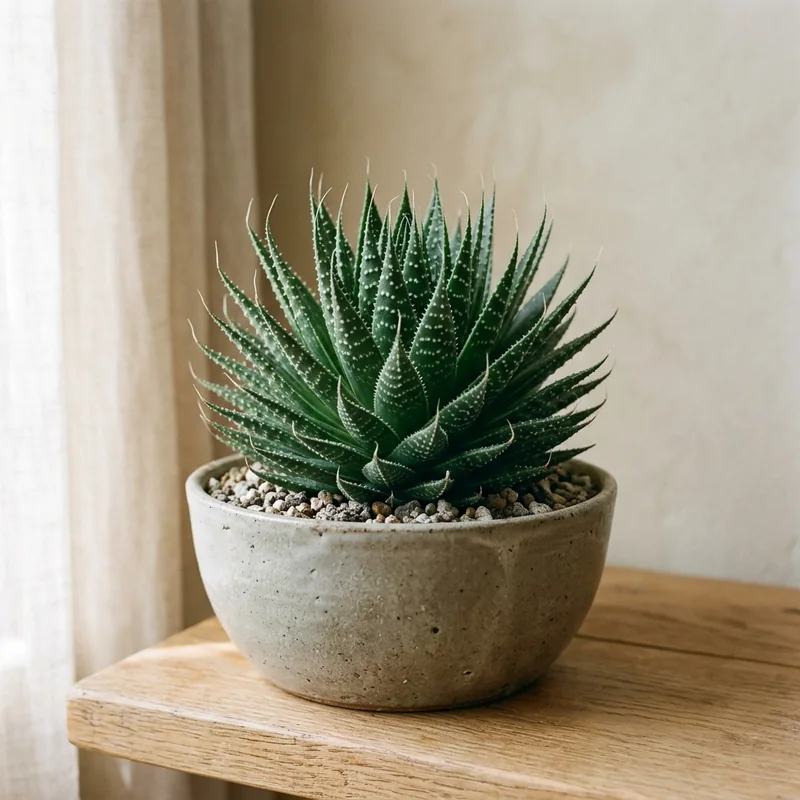
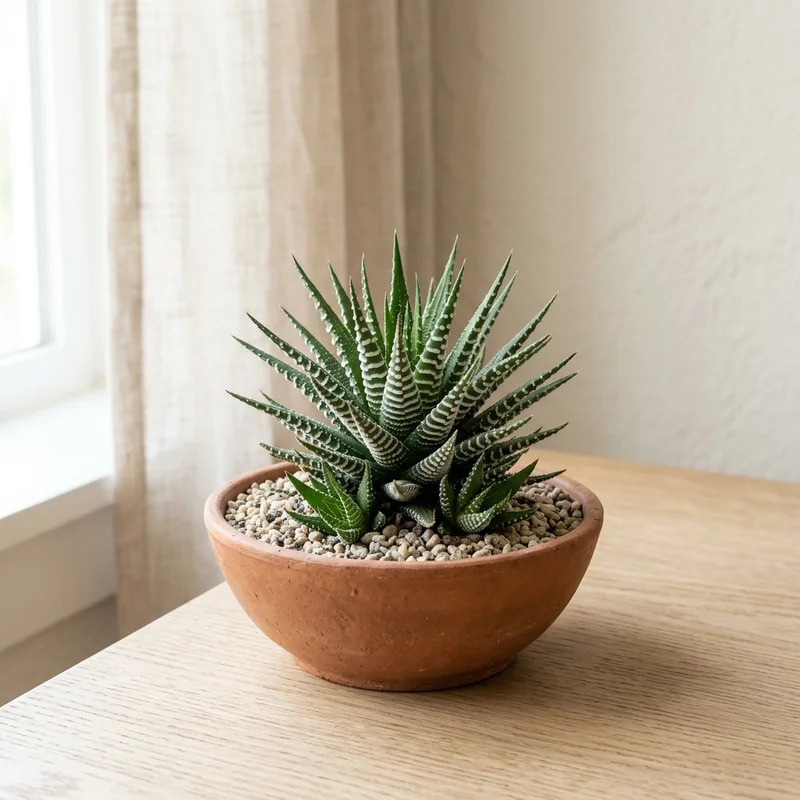
Compact pet-safe South African succulent forming stiff rosettes striped with raised white bands. Thrives on bright filtered light, gritty cactus mix and full dry-downs.
Essential care to help it thrive
Light and placement
Give bright daylight with gentle morning sun, shading from scorching midday summer glass which turns leaves reddish-brown. Dim corners stretch the tight rosette.
Climate and season
Enjoys dry air, steady ventilation and cool frost-free winters above 5 °C (10–26 °C year-round). Clumps freely around the base as offsets mature.
Soil and repotting
Plant in a shallow terracotta pot with drainage holes using gritty peat-free cactus potting mix blended half-and-half with pumice or coarse horticultural grit.
Conditions vary with pot, season and location. Always check the mix and your plant's response.
Zebra haworthia: when to check the soil
Check that gritty mix is bone dry before soaking every 10–14 days in active growth; keep nearly dry every 3–5 weeks in winter and never let water sit in the crown.
Let Grovia remind you when to check your Zebra haworthiaSave the plant, get watering reminders and adjust the rhythm as the seasons change. Free on iPhone and Android.
See table by pot size
| Ø | Summer | Winter |
|---|---|---|
| 10 cm | 7–10 days | 14–19 days |
| 15 cm | 9–12 days | 17–24 days |
| 25 cm | 11–16 days | 23–32 days |
How to identify it
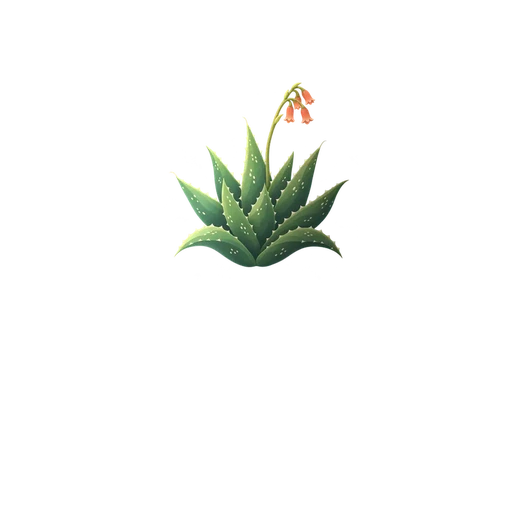
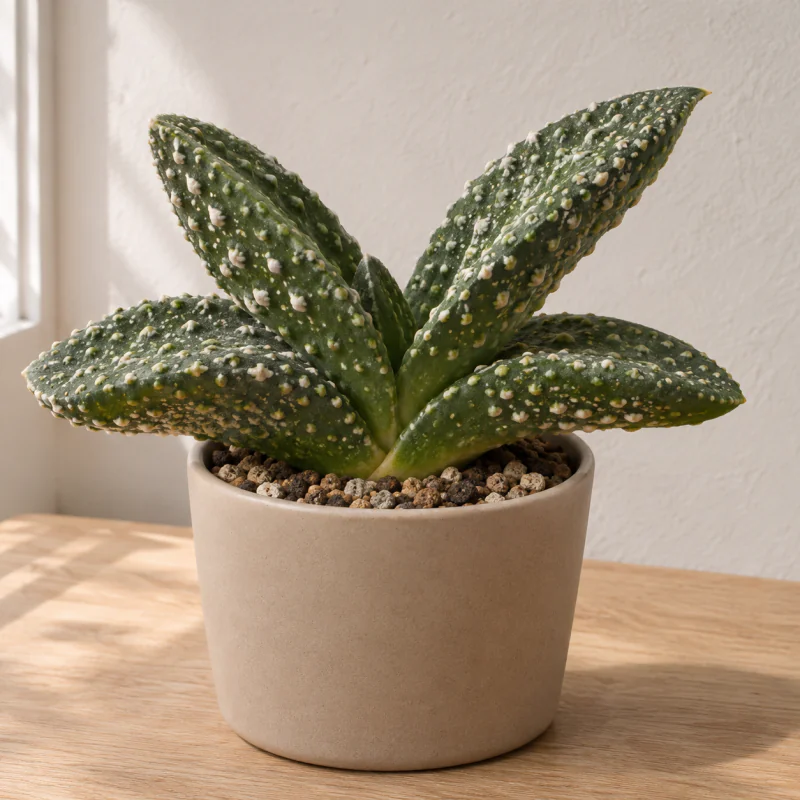
Stemless rosette of stiff pointed dark-green leaves bearing white warty tubercles on both leaf sides, unlike smooth-faced H. fasciata. Formerly Haworthia attenuata.
Botanical sheet
- Family
- Asphodelaceae
- Origin
- South Africa (Cape Provinces)
- Size
- 10–15 cm rosette
- Climate
- 10–26 °C · min. 5 °C
What's wrong with your plant?
Pet safety Pet-friendly
ASPCA lists this species as non-toxic to cats and dogs. Even so, prevent heavy chewing or ingestion of potting mix or fertiliser.
See the ASPCA entryCommon questions
How can I tell Haworthiopsis attenuata apart from H. fasciata?
Haworthiopsis attenuata has raised white tubercles across both outer undersides and inner upper faces, whereas true H. fasciata has smooth upper leaf surfaces.
Should I remove small basal pups from my zebra plant?
You can leave offsets to form a natural clump or separate rooted pups in spring into small pots of dry cactus mix.
Is zebra haworthia safe around cats and dogs?
Yes. ASPCA lists Haworthia species as non-toxic to both cats and dogs.