Parlour palm
Chamaedorea elegansUpdated
Slow-growing, tidy indoor palm happy in medium filtered light and steady, moderate watering without heavy wet roots.
Essential care to help it thrive
Light and placement
It tolerates relatively low light levels. Always protect it from direct sun, which scorches its delicate leaves.
Climate and season
It grows well at standard room temperatures. It appreciates humidity but tolerates moderately dry indoor air.
Soil and repotting
Free-draining palm blend in a snug pot; handle roots gently when repotting.
Conditions vary with pot, season and location. Always check the mix and your plant's response.
Parlour palm: when to check the soil
Water moderately, allowing the top inch or two of mix to dry out. It hates being waterlogged.
Let Grovia remind you when to check your Parlour palmSave the plant, get watering reminders and adjust the rhythm as the seasons change. Free on iPhone and Android.
See table by pot size
| Ø | Summer | Winter |
|---|---|---|
| 10 cm | 5–7 days | 10–13 days |
| 15 cm | 6–8 days | 12–17 days |
| 25 cm | 8–11 days | 16–22 days |
How to identify it
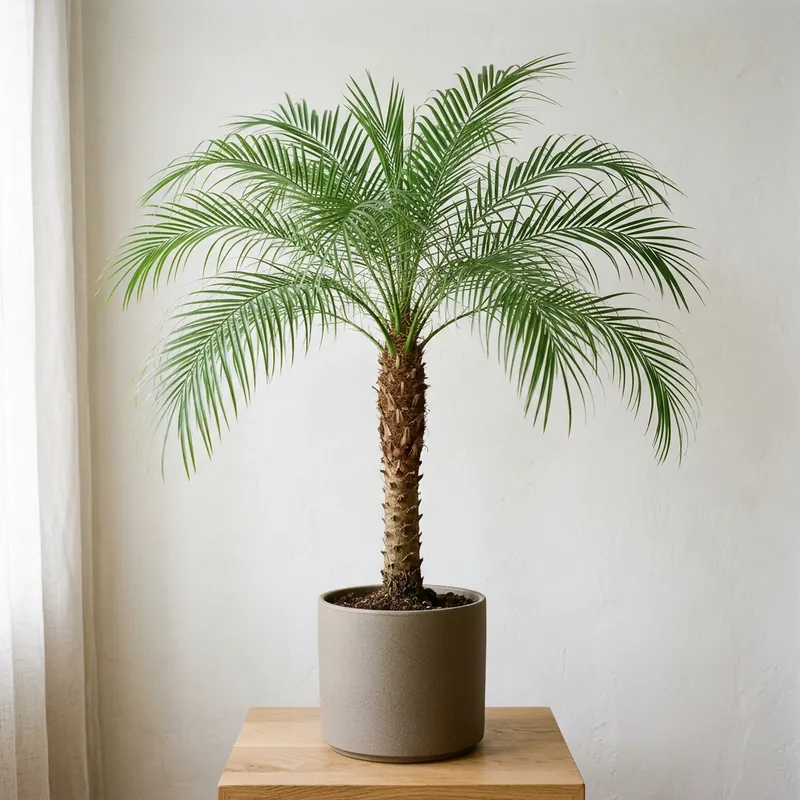
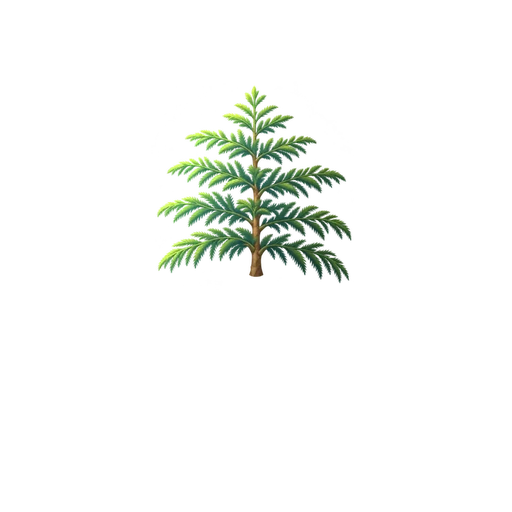
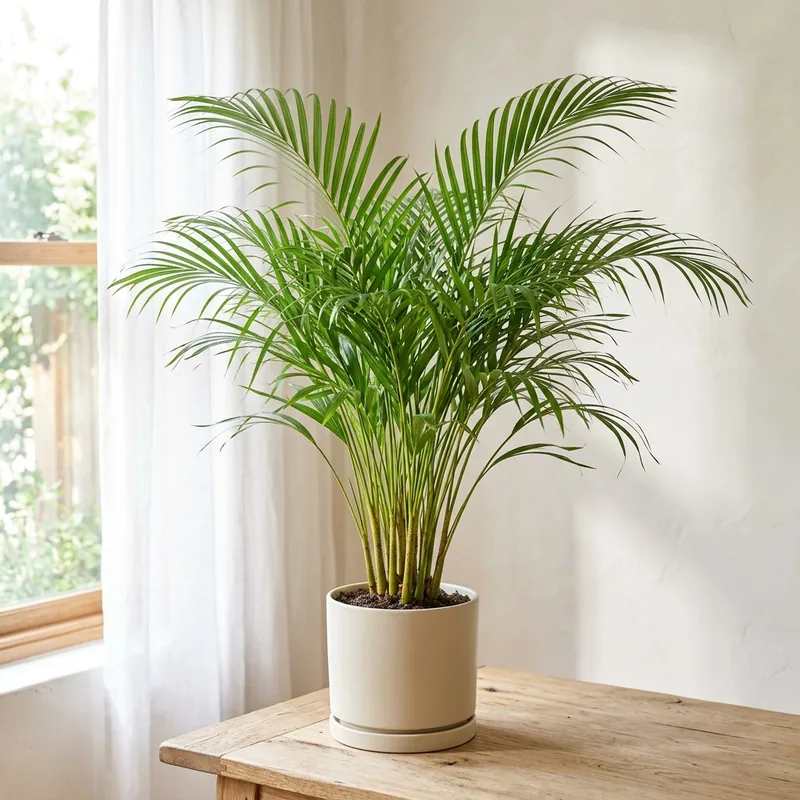
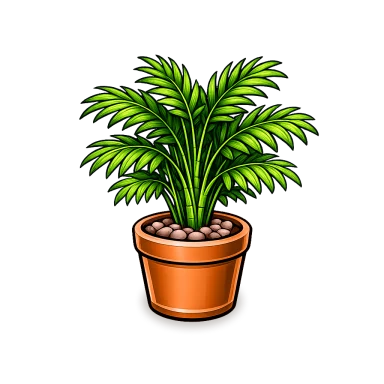
Small indoor palm with multiple slender, cane-like stems and graceful, pinnate bright green fronds.
Botanical sheet
- Family
- Arecaceae
- Origin
- Mexico · Guatemala
- Size
- 1.5–2.5 m slow
- Climate
- 16–26 °C · min. 10 °C
What's wrong with your plant?
Pet safety Pet-friendly
ASPCA lists this species as non-toxic to cats and dogs. Even so, prevent heavy chewing or ingestion of potting mix or fertiliser.
See the ASPCA entryCommon questions
Will it grow to touch the ceiling?
No, it is a very slow-growing species and rarely exceeds 1.5 metres (5 feet) indoors.
Why do parlour palm tips turn brown?
Dry winter air, irregular watering, and mineral salt buildup from tap water or fertiliser are the main culprits—feed lightly only in spring-summer.
How often should you water in winter and repot?
Check the soil roughly every 12–17 days in winter, and repot only every 2–3 years because roots dislike frequent disturbance.