Queen of the night (Epiphyllum)
Epiphyllum oxypetalumUpdated
Spineless rainforest cactus with broad flat scalloped stems bursting into giant fragrant nocturnal white blooms. Prefers bright dappled light and chunky bark.
Essential care to help it thrive
Light and placement
Give bright filtered indoor light or light morning sun. Baking afternoon rays bleach flat green stems pale yellow, while deep shade blocks summer flower buds.
Climate and season
Thrives at 16–27 °C (above 10 °C frost-free minimum per RHS and NCSU) with moderate humidity; slightly cooler drier winter rest helps set flower buds.
Soil and repotting
Sturdy weighted pot with drainage holes packed loosely with epiphytic mix of medium pine bark, coco coir, and perlite.
Conditions vary with pot, season and location. Always check the mix and your plant's response.
Queen of the night (Epiphyllum): when to check the soil
Unlike desert cacti, water evenly once the upper 3–4 cm of bark compost dry through during active warm growth, then cut back over cool quiet winters.
Let Grovia remind you when to check your Queen of the night (Epiphyllum)Save the plant, get watering reminders and adjust the rhythm as the seasons change. Free on iPhone and Android.
See table by pot size
| Ø | Summer | Winter |
|---|---|---|
| 10 cm | 7–10 days | 14–19 days |
| 15 cm | 9–12 days | 17–24 days |
| 25 cm | 11–16 days | 23–32 days |
How to identify it
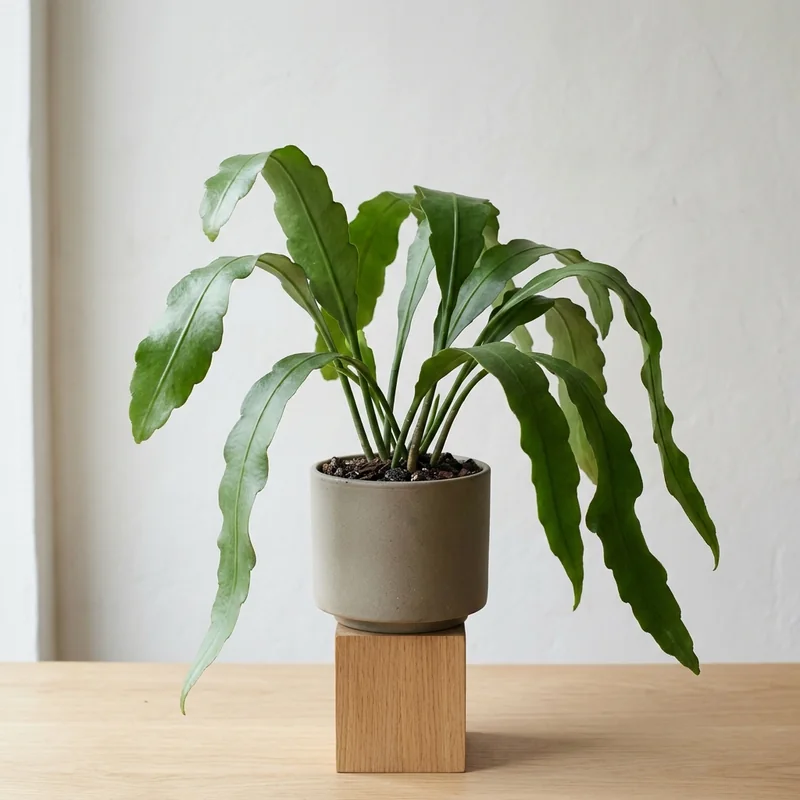
Woody round main canes branch into flat leaf-like notched green stems producing massive night-opening white blooms; formerly Phyllocactus oxypetalus.
Botanical sheet
- Family
- Cactaceae
- Origin
- Southern Mexico to Central America
- Size
- 1.5–2.5 m arching stems
- Climate
- 16–27 °C · min 10 °C
What's wrong with your plant?
Pet safety Toxicity unverified
There is no species-specific toxicity verification for this plant on ASPCA. Check with your veterinarian or search the ASPCA directory before keeping it within reach of pets.
Open the toxicity checkerCommon questions
Why does Queen of the Night flower for only a single night?
Epiphyllum oxypetalum blooms open at dusk emitting heavy sweet perfume to attract nocturnal moths and bats, wilting cleanly by dawn next morning.
Should Epiphyllum oxypetalum grow in sandy dry desert cactus mix?
No—rainforest tree branches call for chunky bark-rich potting mix and steadier warm-season moisture than arid desert spine cacti ever want.
Should you trim off tall round cane shoots with no flat blades yet?
Leave vigorous round cane shoots uncut unless cramped: they serve as main scaffolding branches sprouting flat flowering stems higher up.