Christmas cactus
Schlumbergera truncataUpdated
Jungle epiphytic cactus triggered into bloom by cool autumn nights. Demands bright dappled light and an airy mix that never parches completely.
Essential care to help it thrive
Light and placement
Bright filtered light; harsh sun can mark the segments.
Climate and season
Keep the mix airy; changes in light or temperature can affect buds.
Soil and repotting
Airy epiphytic blend in a hanging pot with generous drainage holes.
Conditions vary with pot, season and location. Always check the mix and your plant's response.
Christmas cactus: when to check the soil
Water when part of the mix has dried, without treating it as a desert succulent.
Let Grovia remind you when to check your Christmas cactusSave the plant, get watering reminders and adjust the rhythm as the seasons change. Free on iPhone and Android.
See table by pot size
| Ø | Summer | Winter |
|---|---|---|
| 10 cm | 4–5 days | 7–10 days |
| 15 cm | 5–6 days | 9–13 days |
| 25 cm | 6–9 days | 12–17 days |
How to identify it
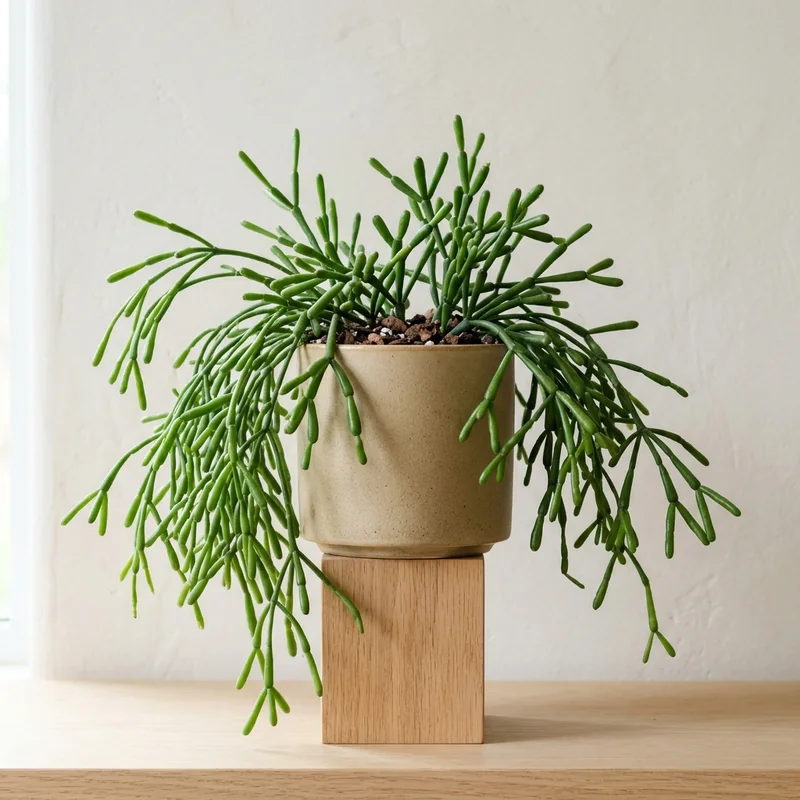
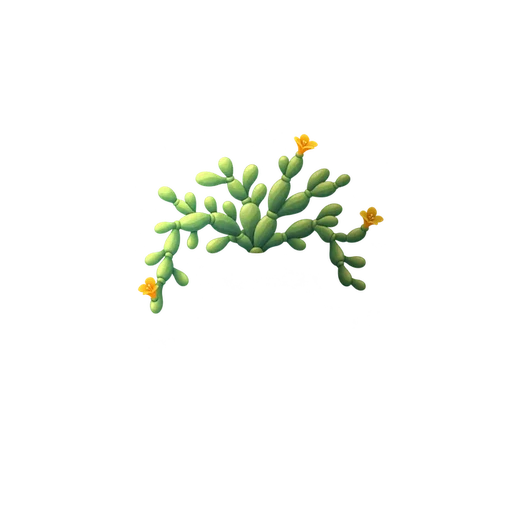
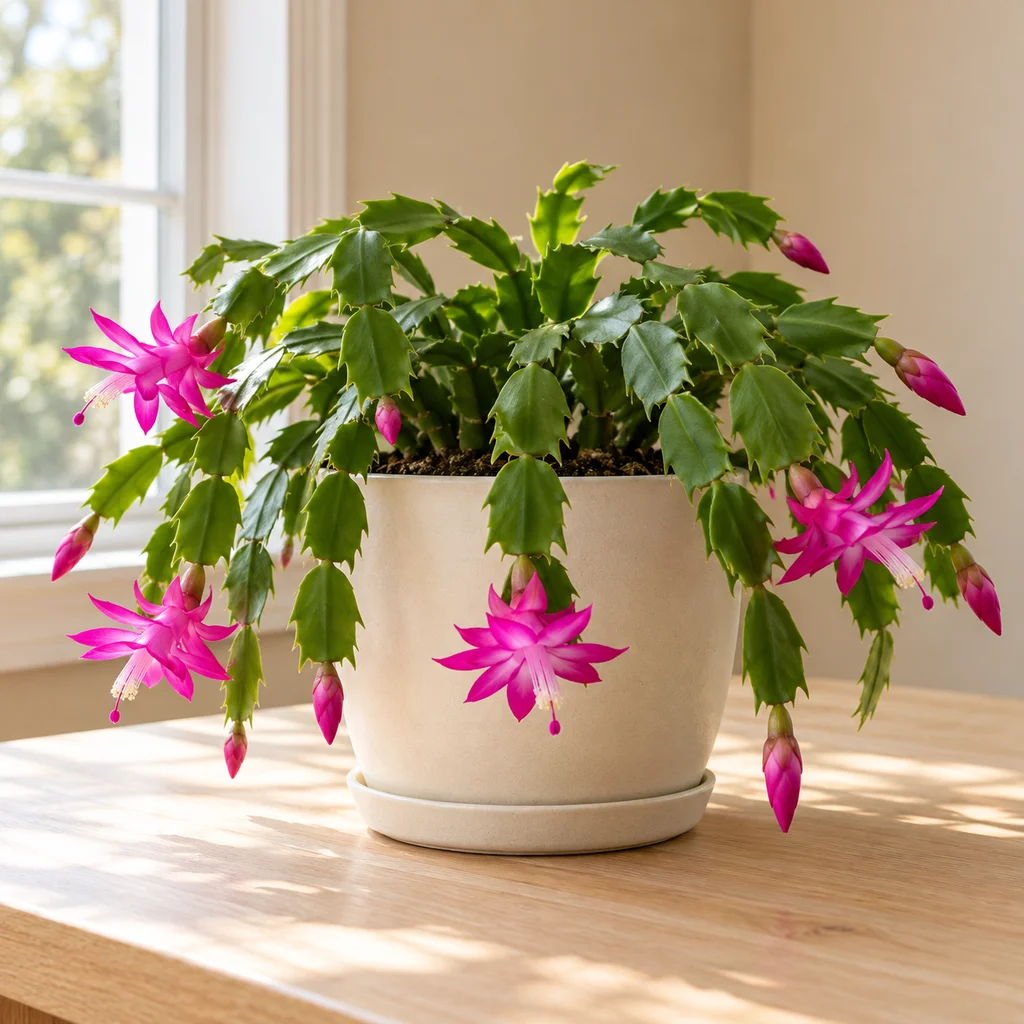
An epiphytic cactus with flat toothed segments and flowers at their tips; unlike a desert cactus.
Botanical sheet
- Family
- Cactaceae
- Origin
- Southeast Brazil
- Size
- 20–45 cm pendulous
- Climate
- 16–24 °C · 50–70% RH
What's wrong with your plant?
Pet safety Toxicity unverified
There is no species-specific toxicity verification for this plant on ASPCA. Check with your veterinarian or search the ASPCA directory before keeping it within reach of pets.
Open the toxicity checkerCommon questions
Does it need a desert cactus mix?
Not necessarily. As an epiphyte it benefits from an airy mix that retains some moisture.
How do I get my Thanksgiving cactus to bloom?
Provide 6 weeks of 12–14 hours of uninterrupted darkness with cool night temperatures (13–16 °C) starting in early autumn.
How do you propagate stem segments?
Twist off 2–3 mature jointed segments in late spring, let the wound callus overnight, and insert them into damp sandy perlite.
Is it a Christmas or a Thanksgiving cactus?
Check the segment edges: 2–4 pointed teeth means Schlumbergera truncata (Thanksgiving cactus), which blooms about a month earlier; rounded edges mean S. × buckleyi, the Christmas cactus. Care is the same.
Why won't my Christmas cactus bloom?
It needs short days: from mid-September, 14 hours of uninterrupted darkness each night for at least 6 weeks, or cool nights of 10–15 °C (50–59 °F). Just a couple of hours of light at night can stop buds forming.
Is a Christmas cactus toxic to cats and dogs?
No. The ASPCA lists it as non-toxic to dogs, cats and horses.