Mother of thousands (Kalanchoe)
Kalanchoe daigremontianaUpdated
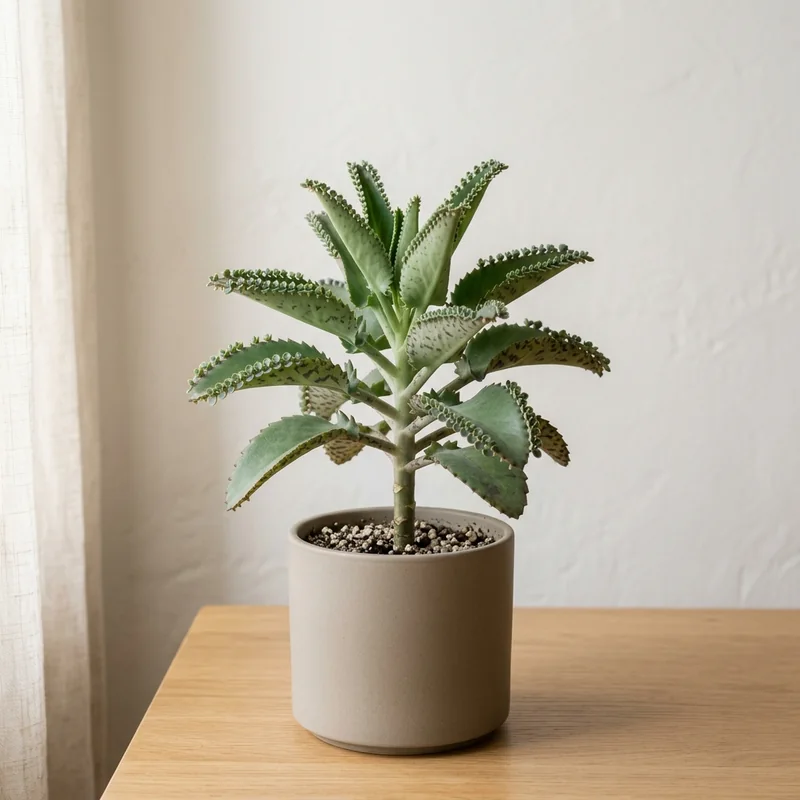
Madagascar succulent lining every notched triangular leaf edge with baby plantlets. Needs bright sun, gritty cactus mix and full soil drying.
Essential care to help it thrive
Light and placement
Give bright sunny exposure or gentle direct sun indoors so stems remain sturdy, leaf marbling stays crisp and notched plantlets form richly.
Climate and season
Thrives in normal dry household air between 14 and 28 °C strictly above 10 °C, well away from cold wet outdoor winters.
Soil and repotting
Free-draining gritty succulent blend rich in pumice, sharp sand and perlite.
Conditions vary with pot, season and location. Always check the mix and your plant's response.
Mother of thousands (Kalanchoe): when to check the soil
Check every 10–14 days in warm seasons and soak thoroughly only once cactus soil dries 100%; water very sparingly through winter dormancy.
Let Grovia remind you when to check your Mother of thousands (Kalanchoe)Save the plant, get watering reminders and adjust the rhythm as the seasons change. Free on iPhone and Android.
See table by pot size
| Ø | Summer | Winter |
|---|---|---|
| 10 cm | 7–10 days | 14–19 days |
| 15 cm | 9–12 days | 17–24 days |
| 25 cm | 11–16 days | 23–32 days |
How to identify it
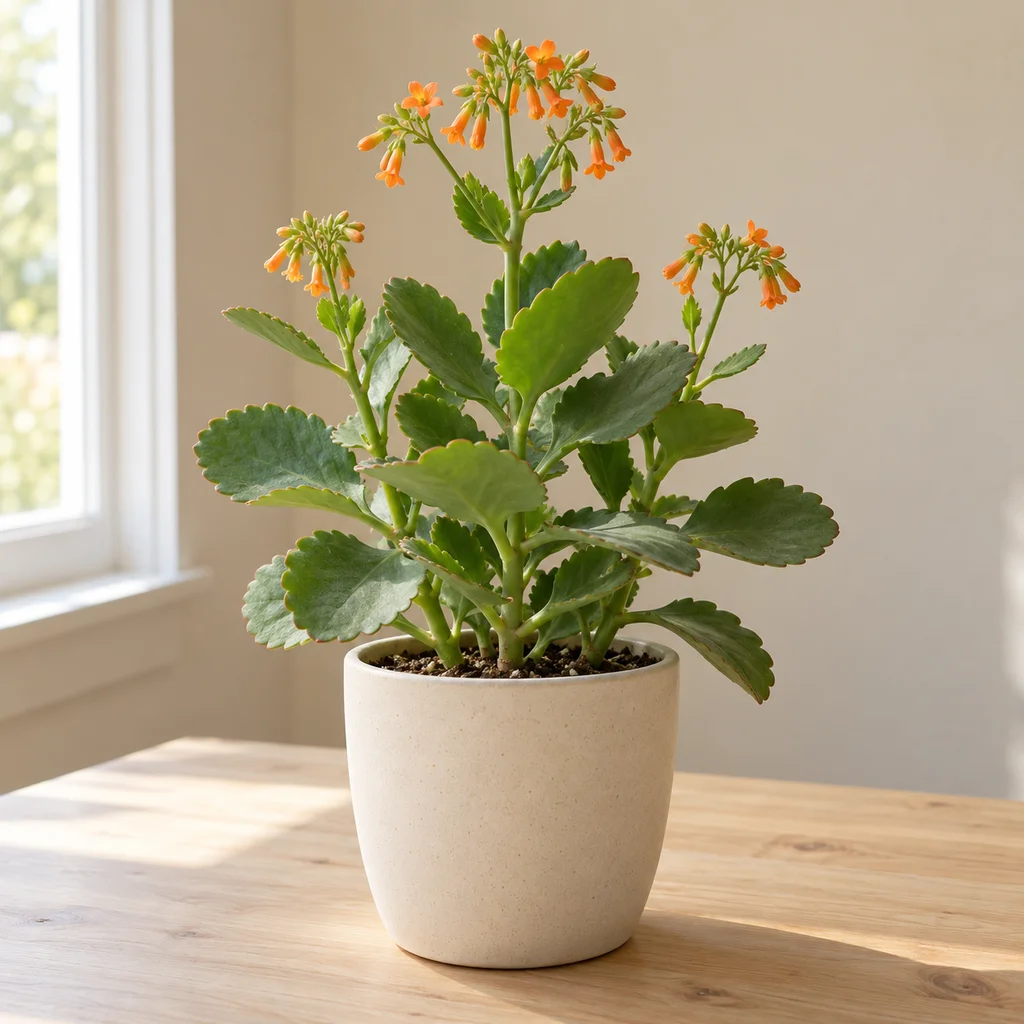
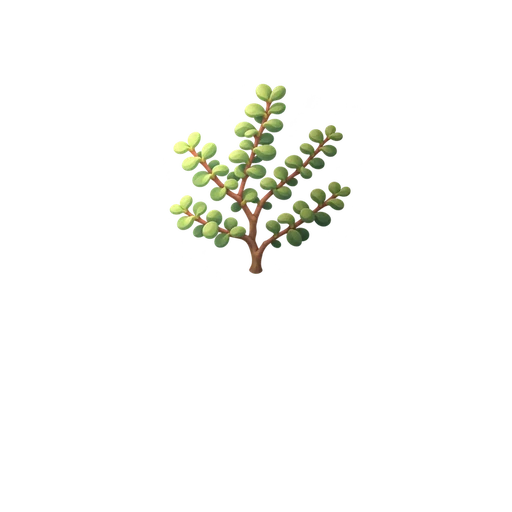
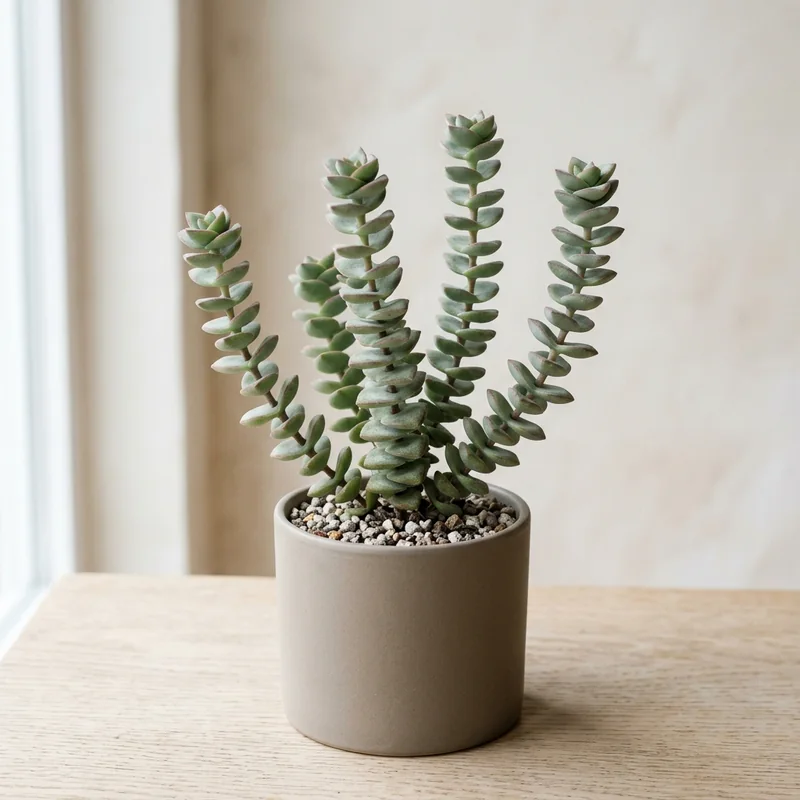
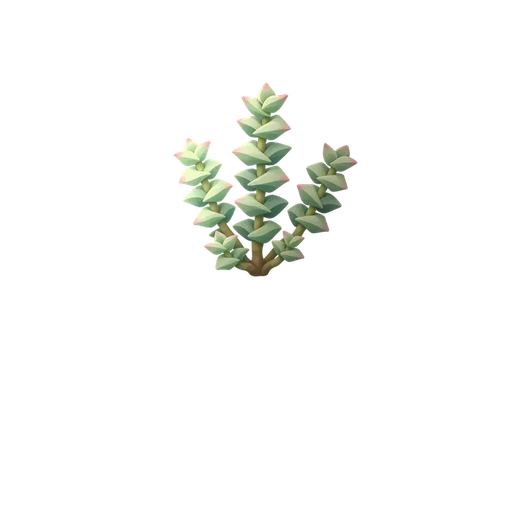
Stout upright stems bearing triangular grey-green succulent leaves spotted brownish beneath and edged with rows of baby plantlets; formerly Bryophyllum daigremontianum.
Botanical sheet
- Family
- Crassulaceae
- Origin
- Madagascar
- Size
- Upright 0.5–1 m
- Climate
- 14–28 °C · min 10 °C
What's wrong with your plant?
Pet safety Toxicity unverified
There is no species-specific toxicity verification for this plant on ASPCA. Check with your veterinarian or search the ASPCA directory before keeping it within reach of pets.
Open the toxicity checkerCommon questions
Should falling baby plantlets be left in neighboring pots?
They root effortlessly on any damp soil surface and can crowd adjacent houseplants (and become invasive outdoors in warm climates), so sweep stray plantlets regularly.
Are fallen plantlets hazardous if chewed by pets?
Use strict caution: while lacking an exact species ASPCA sheet, Kalanchoe genus sap contains cardiac bufadienolides, so clean fallen babies and isolate from pets.
When does Mother of Thousands bloom indoors?
Mature sunny plants often send up tall stalks of pendent grey-pink tubular bells during short bright winter days.