Paddle plant
Kalanchoe luciaeUpdated
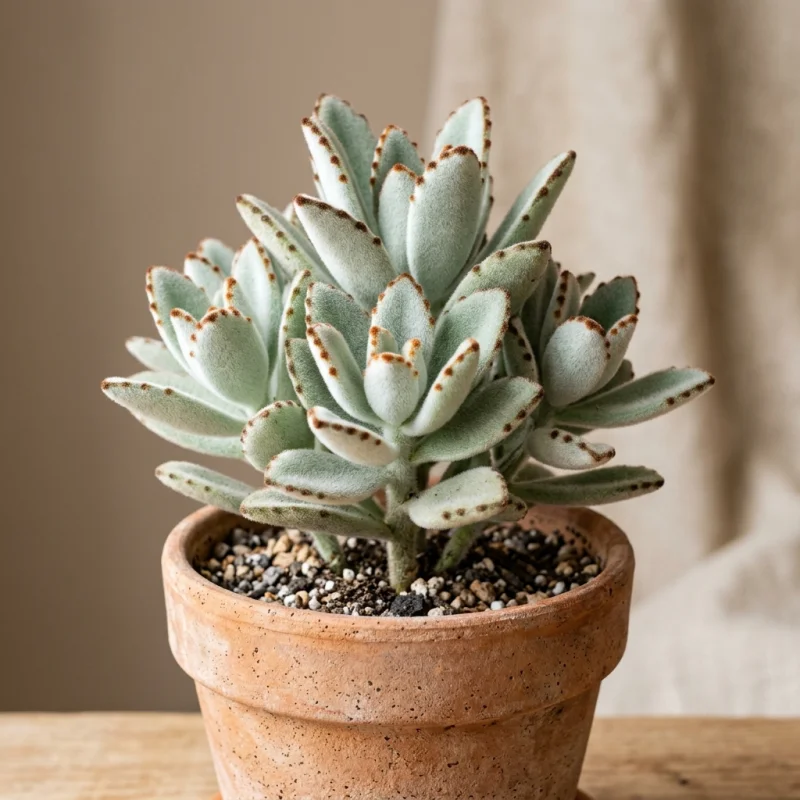
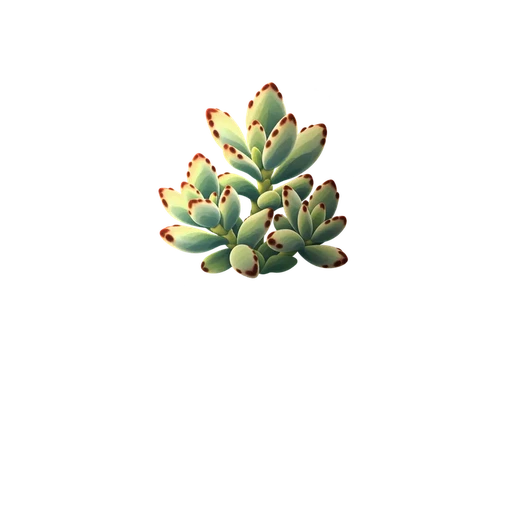
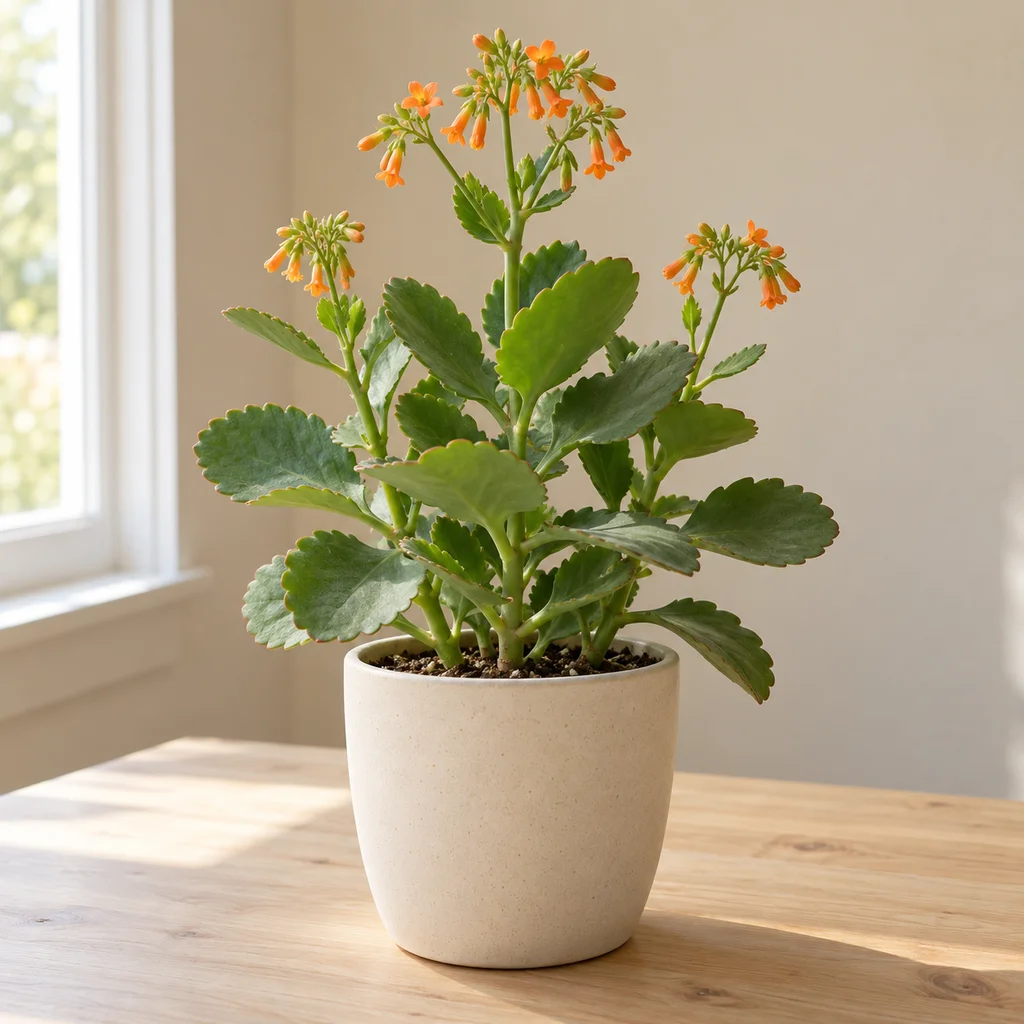
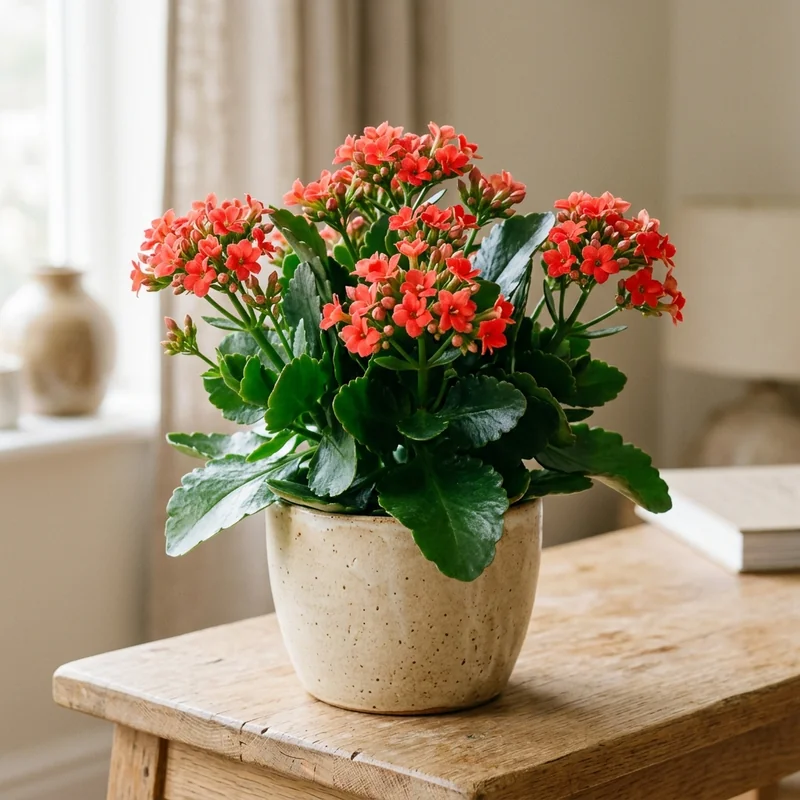
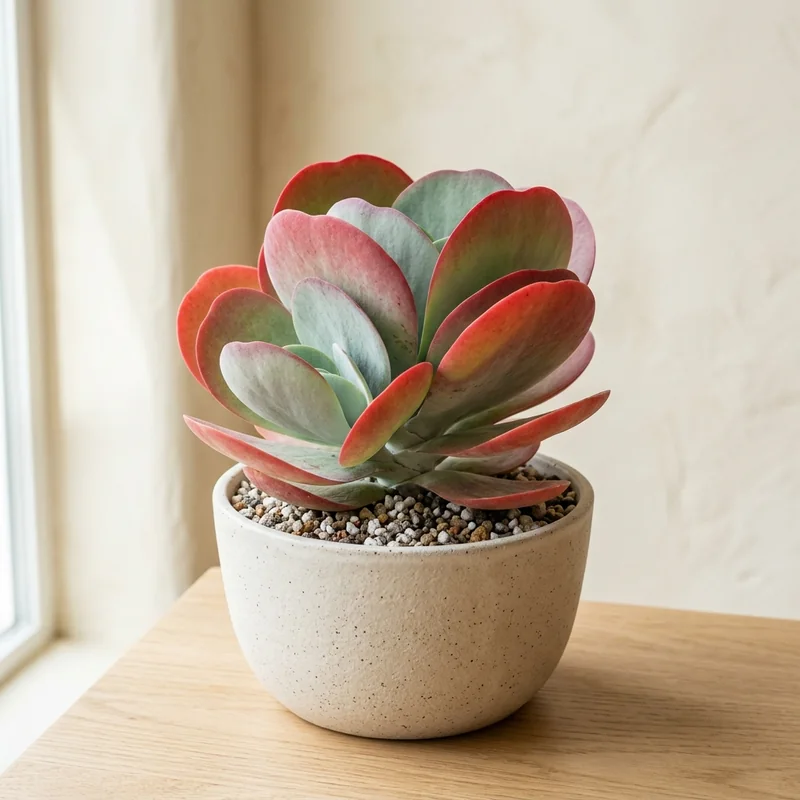
Southern African succulent forming clumps of broad, powdery paddle-shaped leaves rimmed in crimson under bright sun. Needs sharp grit and dry winter rest.
Essential care to help it thrive
Light and placement
Position in full light with shade from scorching midday summer sun. Generous brightness keeps rosettes compact and intensifies red margins.
Climate and season
Dry, airy, frost-free conditions (15–28 °C, min. 10 °C). Avoid pooling water in the rosette and acclimatise gently before summer patio sun.
Soil and repotting
Pot in a fast-draining terracotta planter with peat-free loam-based compost amended with plenty of horticultural grit or pumice.
Conditions vary with pot, season and location. Always check the mix and your plant's response.
Paddle plant: when to check the soil
Allow a full dry-down between moderate waterings during growth, and keep almost dry in winter. Feed 3 to 4 times across the growing season.
Let Grovia remind you when to check your Paddle plantSave the plant, get watering reminders and adjust the rhythm as the seasons change. Free on iPhone and Android.
See table by pot size
| Ø | Summer | Winter |
|---|---|---|
| 10 cm | 7–10 days | 14–19 days |
| 15 cm | 9–12 days | 17–24 days |
| 25 cm | 11–16 days | 23–32 days |
How to identify it
Clump-forming succulent with flat, rounded paddle leaves coated in pale bloom and red rims. Often sold and confused with Kalanchoe thyrsiflora in nurseries.
Botanical sheet
- Family
- Crassulaceae
- Origin
- SE Africa
- Size
- 15–50 cm clump
- Climate
- 15–28 °C · min. 10 °C
What's wrong with your plant?
Pet safety Toxicity unverified
There is no species-specific toxicity verification for this plant on ASPCA. Check with your veterinarian or search the ASPCA directory before keeping it within reach of pets.
Open the toxicity checkerCommon questions
Why is Kalanchoe luciae often labelled as Kalanchoe thyrsiflora?
Both Southern African flapjack succulents look alike in pots, so nurseries routinely mislabel Kalanchoe luciae—the one famous for vivid red leaf rims—as K. thyrsiflora.
Should you wipe the dusty white coating off paddle leaves?
Never wipe it away: the natural waxy bloom protects leaves from sunburn and water loss and will not grow back.
How do you propagate basal offsets cleanly?
Remove rooted plantlets or take stem cuttings in spring or summer and let cut ends callus before potting.