Cretan brake fern (Pteris cretica)
Pteris creticaUpdated
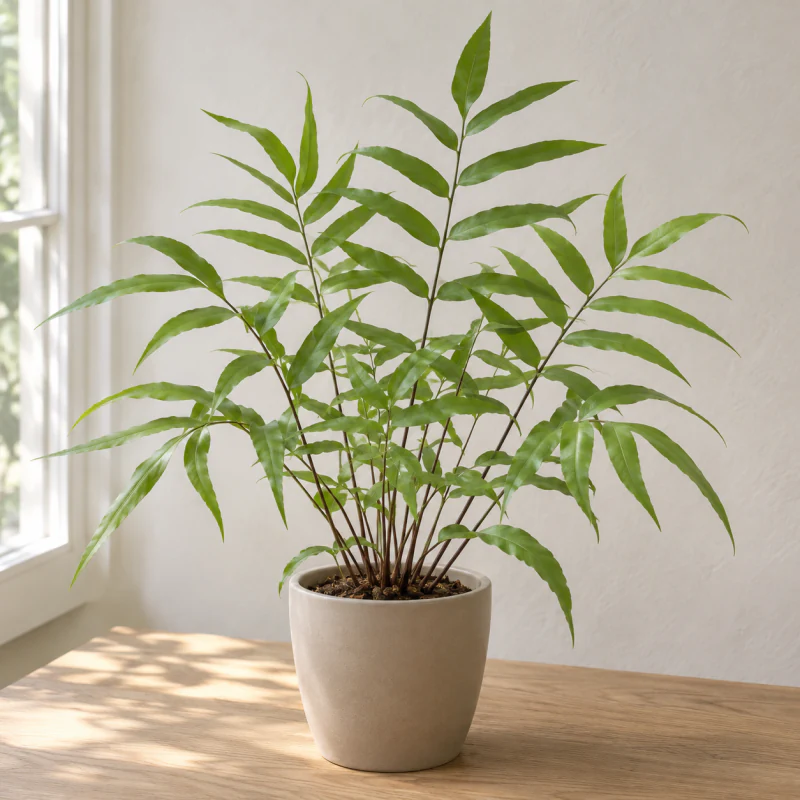
Pet-safe compact fern (ASPCA) with slender forked ribbon fronds in crisp emerald or silver-banded tones. Wants bright shade, cool warmth, and steady moisture.
Essential care to help it thrive
Light and placement
Provide medium or bright filtered shade shielded from direct rays; silver-striped cultivars such as 'Albolineata' appreciate brighter indirect window light.
Climate and season
Excels at cooler room temperatures (14–24 °C, frost-free above 5 °C) paired with 55–70% humidity away from blowing heaters or hot radiators.
Soil and repotting
Drained container filled with airy peat-free fern blend of coco coir, fine leaf mold, and perlite.
Conditions vary with pot, season and location. Always check the mix and your plant's response.
Cretan brake fern (Pteris cretica): when to check the soil
Check the upper layer by finger and water with rainwater or filtered water as soon as surface moisture softens, never letting the rootball bone-dry.
Let Grovia remind you when to check your Cretan brake fern (Pteris cretica)Save the plant, get watering reminders and adjust the rhythm as the seasons change. Free on iPhone and Android.
See table by pot size
| Ø | Summer | Winter |
|---|---|---|
| 10 cm | 3–4 days | 5–7 days |
| 15 cm | 3–5 days | 7–9 days |
| 25 cm | 4–6 days | 9–12 days |
How to identify it
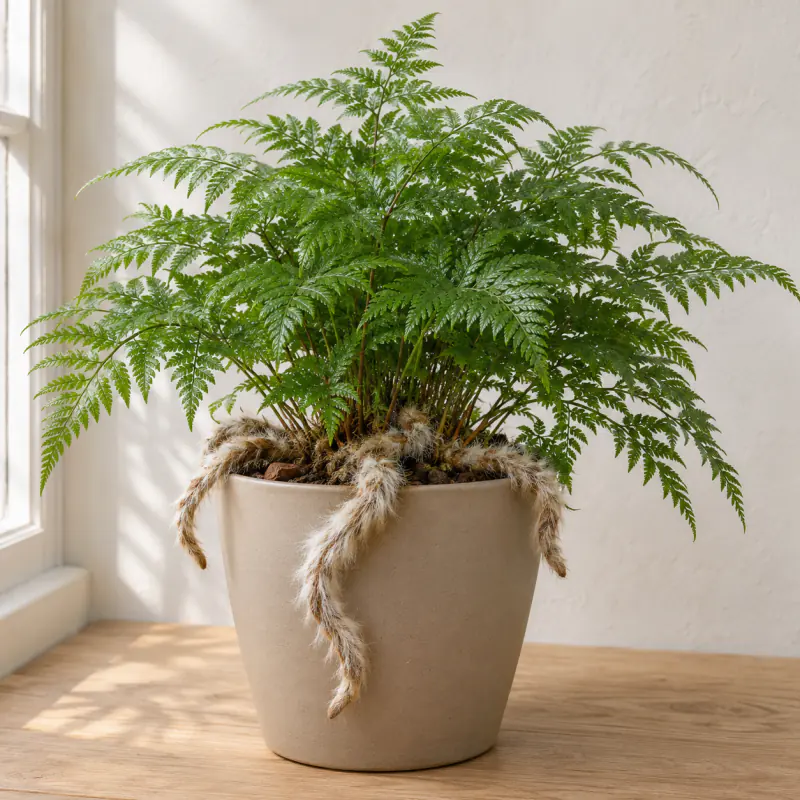
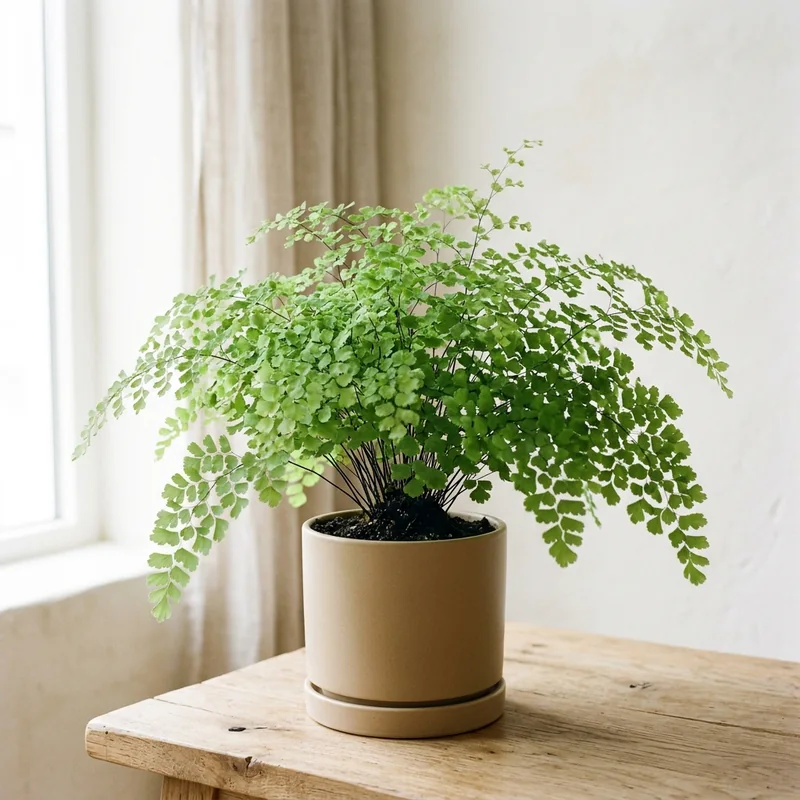
Upright evergreen tuft of thin wiry stalks bearing palm-like fronds divided into three to five pairs of long narrow ribbon leaflets.
Botanical sheet
- Family
- Pteridaceae
- Origin
- Old World tropics and subtropics
- Size
- 30–60 cm tufted clump
- Climate
- 14–24 °C · min 5 °C
What's wrong with your plant?
Pet safety Pet-friendly
ASPCA lists this species as non-toxic to cats and dogs. Even so, prevent heavy chewing or ingestion of potting mix or fertiliser.
See the ASPCA entryCommon questions
Why do upright central Pteris cretica fronds look skinnier than outer ones?
Adult plants grow two natural frond forms: wider sterile outer ribbons and taller narrow fertile inner fronds lined underneath with spore margins.
Is Cretan brake fern safe around cats, dogs, and horses?
Yes. ASPCA lists Pteris ferns under silver table fern as non-toxic to dogs, cats, and horses for worry-free indoor styling.
Can Pteris cretica grow cleanly in slightly cool rooms?
Yes; tolerating frost-free winter chill down to 5 °C, it thrives happily in cooler bright hallways or bedrooms compared with heat-loving jungle ferns.