Star jasmine
Trachelospermum jasminoidesUpdated
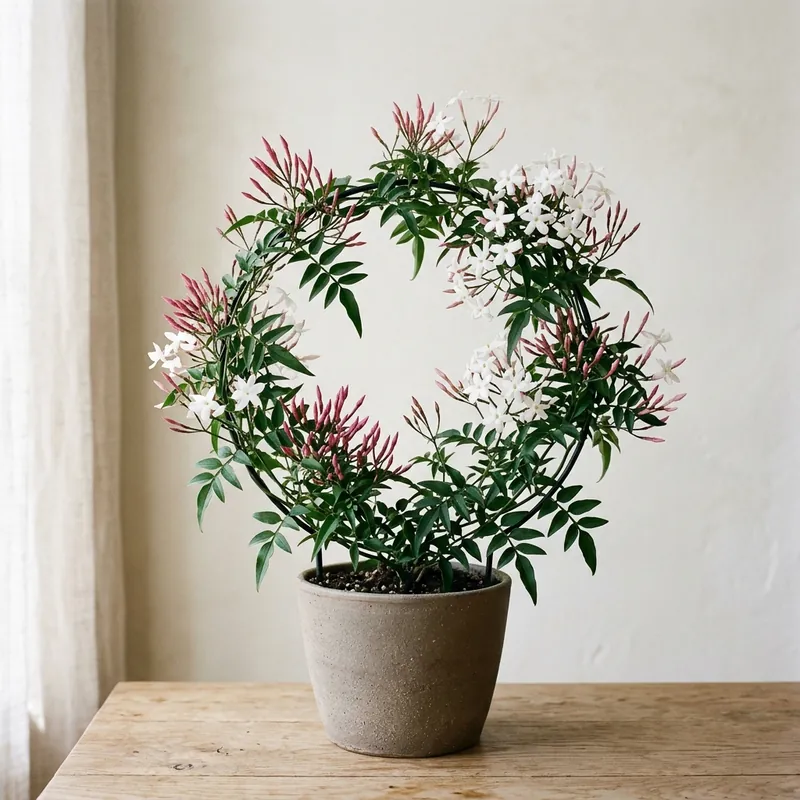
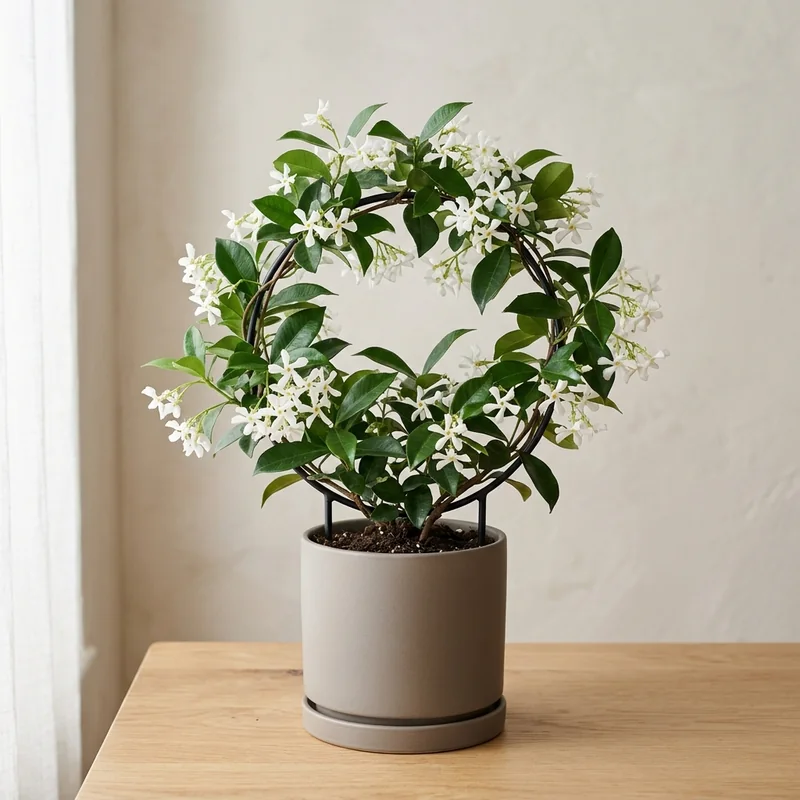
Fragrant pet-safe evergreen twining climber covered in starry white blooms each summer. Thrives on sunny patios or sheltered walls with a trellis and well-drained soil.
Essential care to help it thrive
Light and placement
Give full sun or bright partial shade sheltered from freezing winds for heaviest flowering; dense shade grows lush foliage with noticeably sparser summer blooms.
Climate and season
Hardy to -10 °C in sheltered ground, though container pots benefit from winter root protection below -5 °C. Wear gloves when pruning since white sap may irritate skin.
Soil and repotting
Pot in a deep container with trellis support and fertile peat-free loam-based potting mix lightened with grit or perlite for crisp winter drainage.
Conditions vary with pot, season and location. Always check the mix and your plant's response.
Star jasmine: when to check the soil
Check the upper 2–4 cm every 4–7 days in warm summer weather and soak deeply; cut back to every 10–14 days in cool winter so roots never sit waterlogged.
Let Grovia remind you when to check your Star jasmineSave the plant, get watering reminders and adjust the rhythm as the seasons change. Free on iPhone and Android.
See table by pot size
| Ø | Summer | Winter |
|---|---|---|
| 10 cm | 4–5 days | 7–10 days |
| 15 cm | 5–6 days | 9–13 days |
| 25 cm | 6–9 days | 12–17 days |
How to identify it
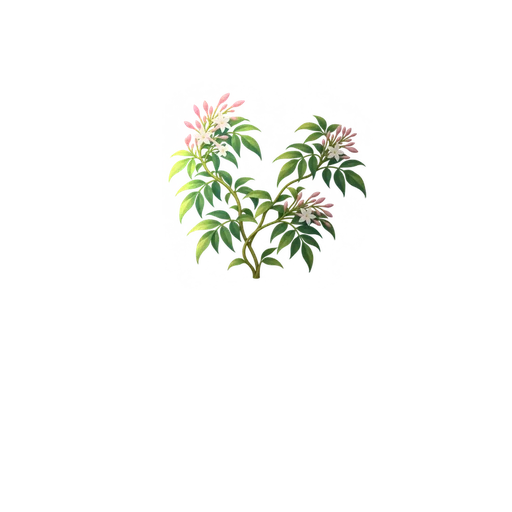
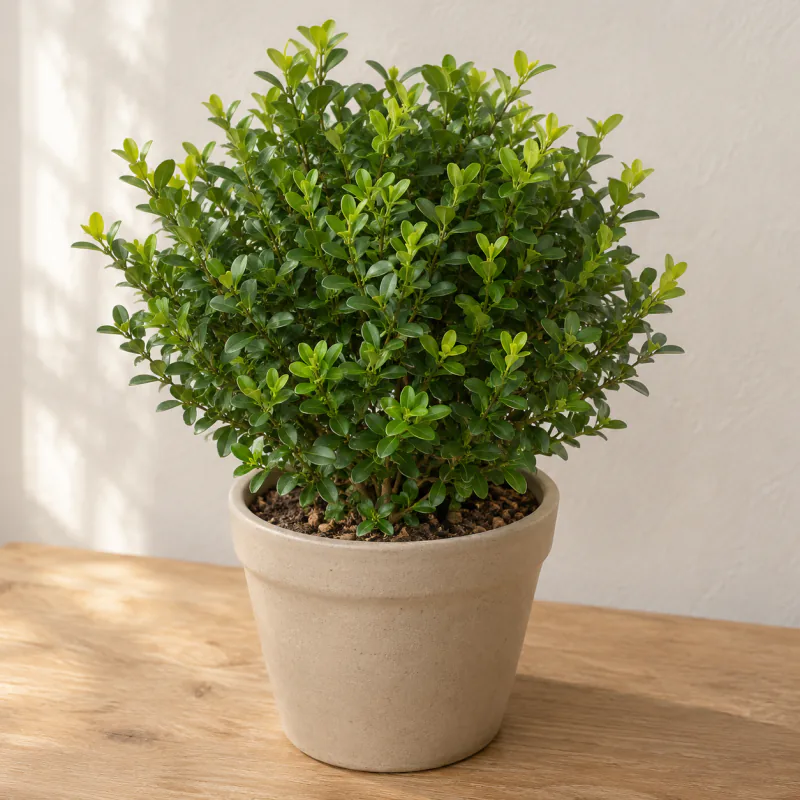
Woody twining vines bearing glossy oval leaves that turn bronze-red in winter and 5-petaled pinwheel flowers. Formerly Rhynchospermum jasminoides; not true Jasminum.
Botanical sheet
- Family
- Apocynaceae
- Origin
- China · Japan
- Size
- 1.5–3 m potted (8–12 m)
- Climate
- 5–30 °C · min. -10 °C
What's wrong with your plant?
Pet safety Pet-friendly
ASPCA lists this species as non-toxic to cats and dogs. Even so, prevent heavy chewing or ingestion of potting mix or fertiliser.
See the ASPCA entryCommon questions
Why are my star jasmine leaves turning bronze-red in winter?
Cool winter temperatures naturally turn older foliage rich bronze or crimson; it is completely normal and new bright-green leaves return in spring.
When should I prune Trachelospermum jasminoides?
Trim wayward vines right after main summer flowering finishes so you shape the climber without cutting off next year's flower buds.
Is star jasmine safe for dogs and cats?
Yes. ASPCA lists Trachelospermum jasminoides as non-toxic to dogs, cats and horses.