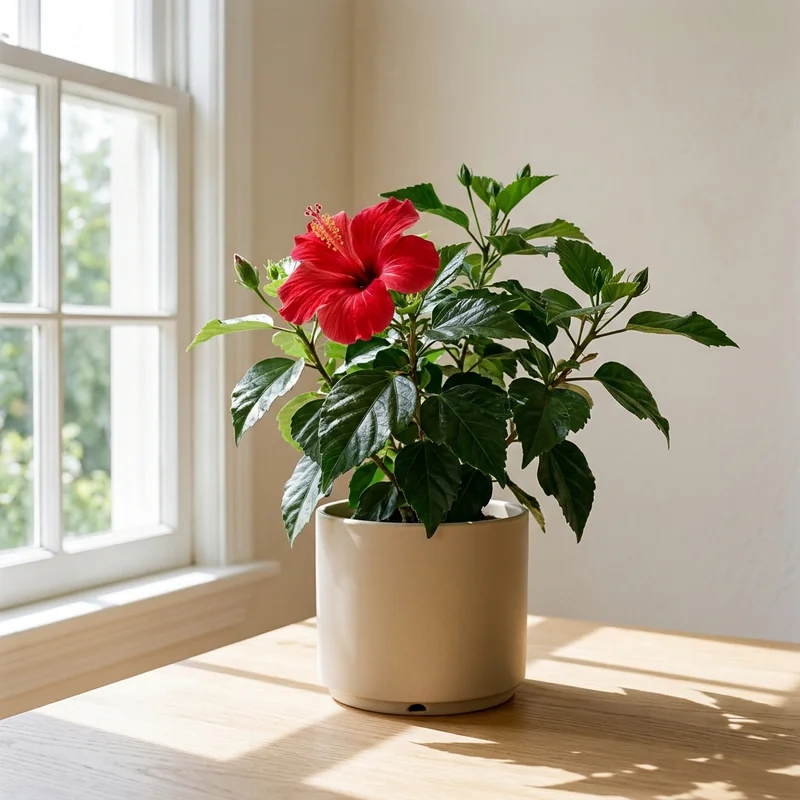
Pink jasmine (J. polyanthum)
Jasminum polyanthumUpdated
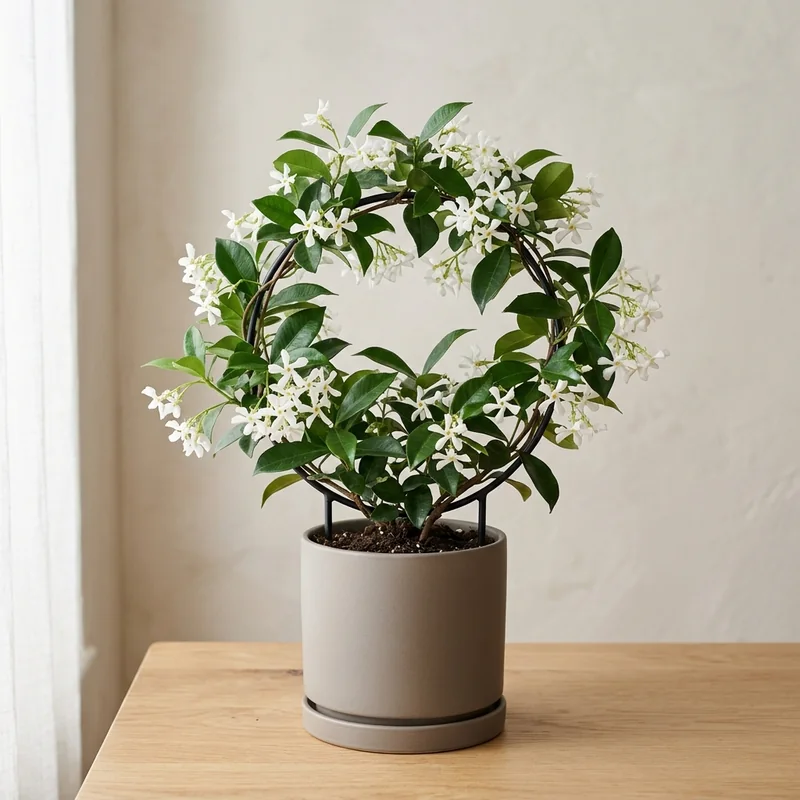
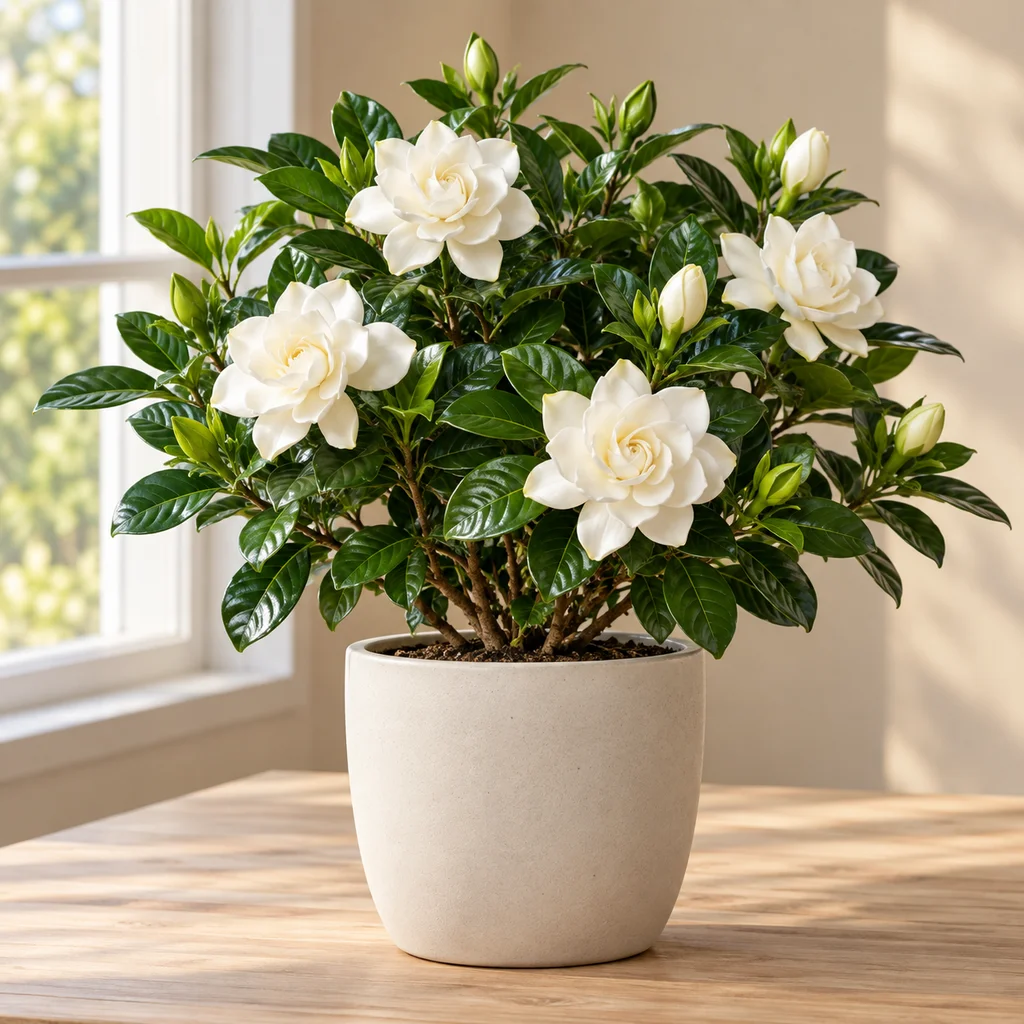
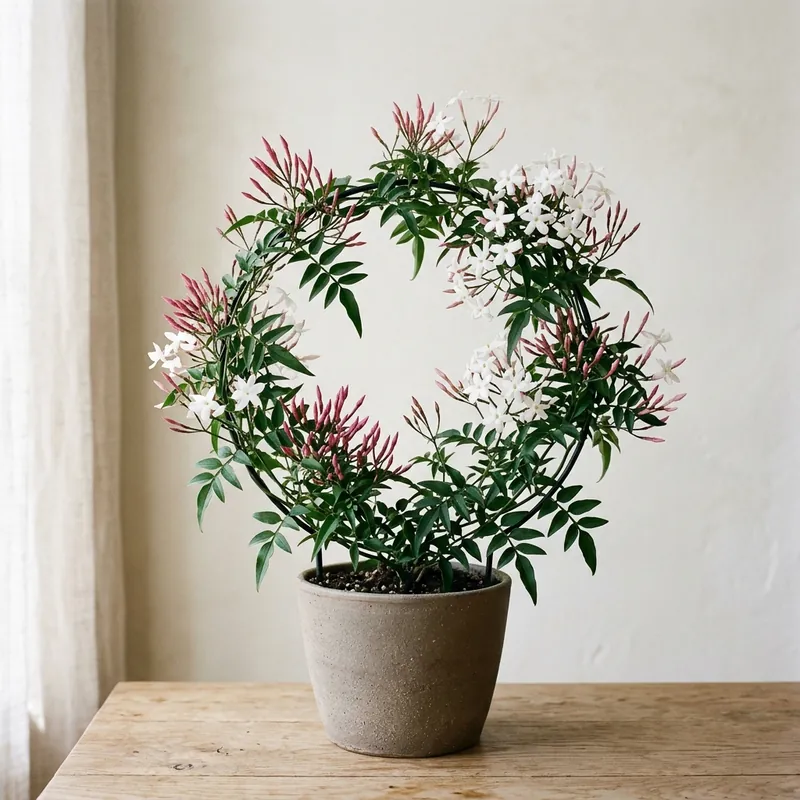
Twining climber exploding in late winter with pink buds and fragrant white stars. Loves bright sun, airy hoop potting and cool autumn nights.
Essential care to help it thrive
Light and placement
Give abundant direct gentle sun outdoors in summer or bright south/west windows indoors; low indoor light stalls flower bud formation completely.
Climate and season
Crucially frost-tolerant down near 1 °C (RHS H2): cool bright 10–18 °C rooms keep winter blossoms lasting far longer than dry hot living rooms.
Soil and repotting
Rich free-draining potting blend of composted organic humus with 25% coarse perlite.
Conditions vary with pot, season and location. Always check the mix and your plant's response.
Pink jasmine (J. polyanthum): when to check the soil
Check the upper 2–3 cm every 4–7 days in active seasons, watering evenly without waterlogging, then ease back during cool autumn bud-set while never parching roots.
Let Grovia remind you when to check your Pink jasmine (J. polyanthum)Save the plant, get watering reminders and adjust the rhythm as the seasons change. Free on iPhone and Android.
See table by pot size
| Ø | Summer | Winter |
|---|---|---|
| 10 cm | 4–5 days | 7–10 days |
| 15 cm | 5–6 days | 9–13 days |
| 25 cm | 6–9 days | 12–17 days |
How to identify it
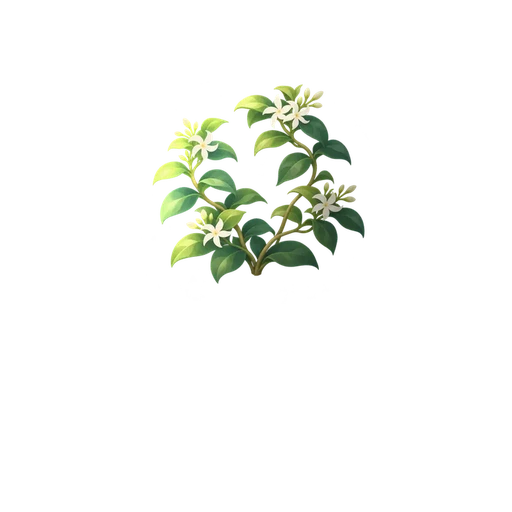
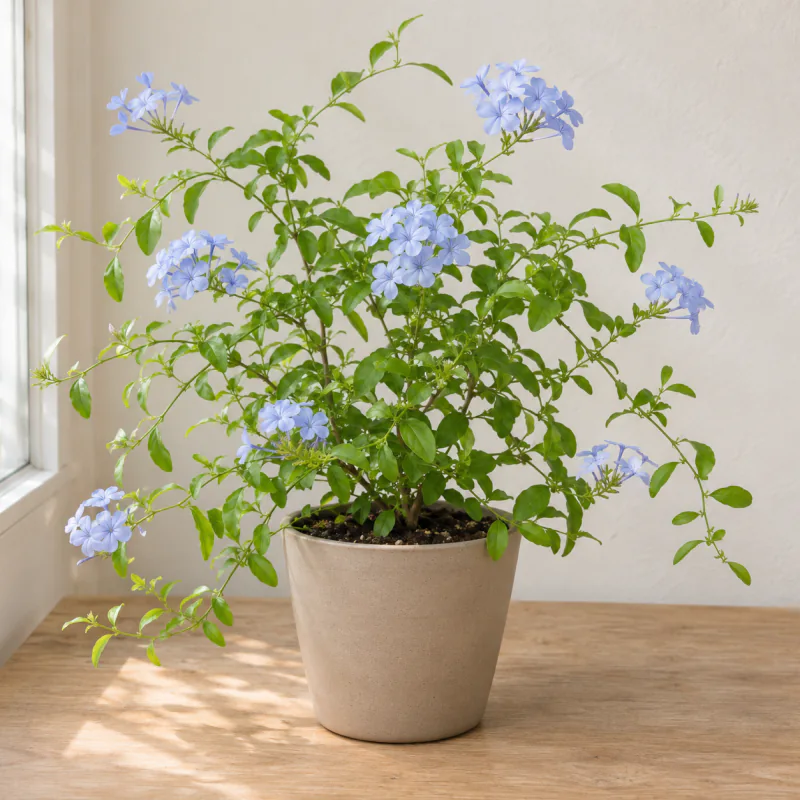
Vigorous twining stems clad in dark-green pinnate leaves of up to seven slim leaflets bearing dense panicles of deep pink buds opening into white starry fragrant flowers.
Botanical sheet
- Family
- Oleaceae
- Origin
- Southwestern China (Yunnan · Sichuan)
- Size
- 4–8 m twining vine
- Climate
- 10–24 °C · min 1 °C
What's wrong with your plant?
Pet safety Toxicity unverified
There is no species-specific toxicity verification for this plant on ASPCA. Check with your veterinarian or search the ASPCA directory before keeping it within reach of pets.
Open the toxicity checkerCommon questions
Why did my Pink Jasmine bloom once and stop setting buds next year?
It requires several weeks of crisp cool bright autumn weather around 5–12 °C at night to trigger new flower buds; cozy steady indoor rooms yield lush greenery only.
When should I prune fast growing Jasmine shoots?
Trim overgrown loops right after spring flowering finishes, wrapping pliable young shoots neatly onto the wire hoop before they tangle.
How do I tell Jasminum polyanthum apart from Star Jasmine?
Pink Jasmine carries compound pinnate leaves split into 5–7 small leaflets and vivid pink buds, whereas Trachelospermum bears simple oval leaves and propeller flowers.