English primrose (Primula)
Primula vulgarisUpdated
Cool-season perennial pairing crinkled green leaves with bright golden-eyed blooms. Thrives in cool 5–18 °C light, steady moisture and high placement.
Essential care to help it thrive
Light and placement
Give bright cool daylight indoors or partial outdoor shade; hot direct midday sun wilts blossoms fast, whereas bright crisp coolness keeps flowers blooming for weeks.
Climate and season
Ultra cold-hardy down to -20 °C outdoors (RHS H7); keep well away from heated living-room air above 18 °C, moving pots onto cool porches or shaded balconies.
Soil and repotting
Moisture-holding humus-rich potting compost blended with 20% perlite for clean root oxygen.
Conditions vary with pot, season and location. Always check the mix and your plant's response.
English primrose (Primula): when to check the soil
Check every 3–5 days during active bloom to keep compost evenly moist and slightly cool without soggy saucers rotting the dense central crown.
Let Grovia remind you when to check your English primrose (Primula)Save the plant, get watering reminders and adjust the rhythm as the seasons change. Free on iPhone and Android.
See table by pot size
| Ø | Summer | Winter |
|---|---|---|
| 10 cm | 4–5 days | 7–10 days |
| 15 cm | 5–6 days | 9–13 days |
| 25 cm | 6–9 days | 12–17 days |
How to identify it
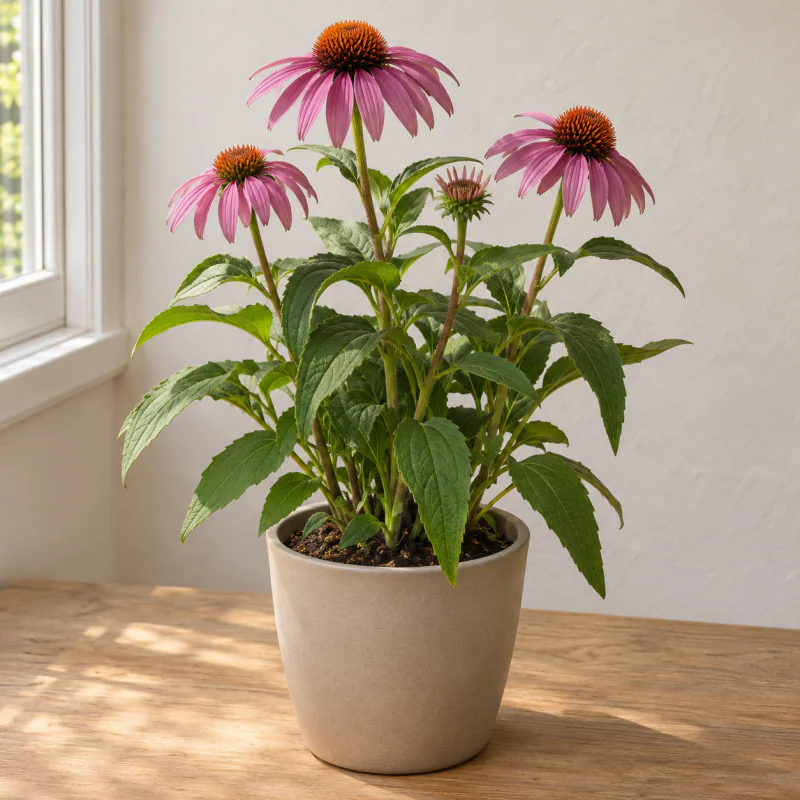
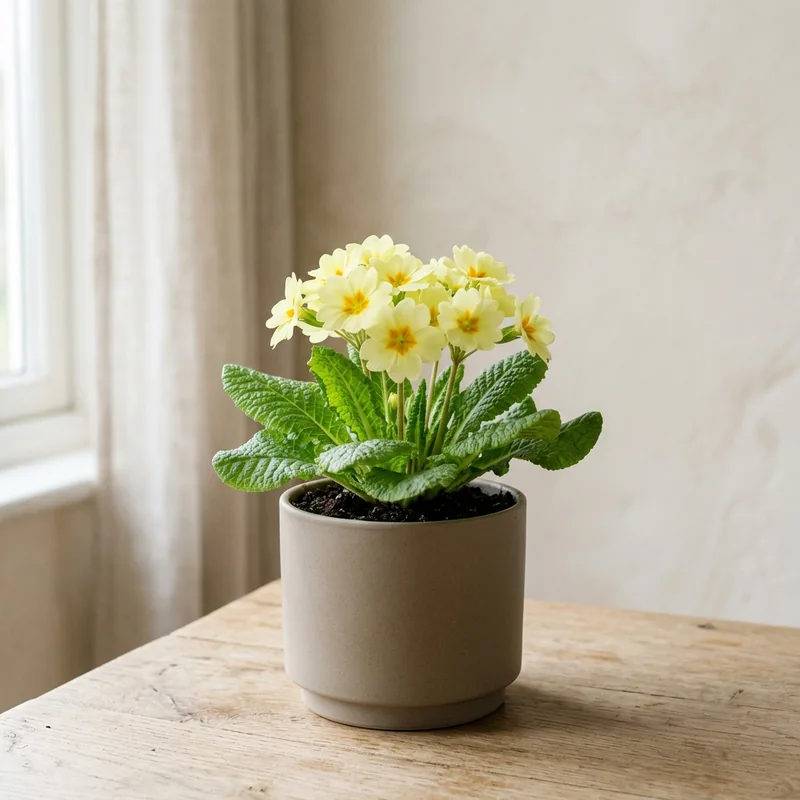
Low basal rosette of heavily veined wrinkled tongue-shaped green leaves yielding fragrant 5-petaled golden-eyed blooms; widely labeled Primula acaulis in nurseries.
Botanical sheet
- Family
- Primulaceae
- Origin
- Western & Southern Europe · North Africa · Western Asia
- Size
- 10–20 cm rosette
- Climate
- 5–18 °C · min -20 °C
What's wrong with your plant?
Pet safety Toxic to pets
ASPCA lists this species as toxic to cats and dogs. Keep pets from chewing it; contact a veterinarian if ingestion is suspected.
Toxic principles and clinical signs quoted from the ASPCA database.
See the ASPCA entryCommon questions
Can potted Primula vulgaris survive outdoors after winter blooms fade?
Yes: plant out into a dappled cool garden bed or shaded patio container—RHS H7 primroses are true winter-hardy perennials returning reliably each early spring.
Is Primula vulgaris toxic around cats and dogs?
Yes: ASPCA lists Primula vulgaris as toxic to dogs, cats and horses, typically triggering mild stomach upset, so place pots out of reach.
Why did my indoor supermarket primrose droop within five days?
Stuffy warm kitchens dry out and overheat cool-climate primroses immediately; shift pots onto unheated sunny sills or cool balconies to recover.