Calla lily (Arum lily)
Zantedeschia aethiopicaUpdated
Architectural South African aroid bearing glossy arrow foliage and pure white rolled spathes. Thrives in bright filtered light, moist mix away from pets.
Essential care to help it thrive
Light and placement
Provide bright daylight with mild morning sun; give light afternoon shade in hot summers so crisp white spathes last longer without scorching leaf margins.
Climate and season
Enjoys mild temperatures (10–25 °C) and moderate humidity; hardy outdoors to -5 °C in sheltered soil, though potted rhizomes should stay clear of hard frost.
Soil and repotting
Pot in a deep container with open drainage and a rich peat-free loam-based potting mix blended with organic compost to hold steady, breathable moisture.
Conditions vary with pot, season and location. Always check the mix and your plant's response.
Calla lily (Arum lily): when to check the soil
Check the upper layer every 3–5 days during active bloom and keep rich potting mix evenly moist; ease back to every 8–12 days if plants rest after flowering.
Let Grovia remind you when to check your Calla lily (Arum lily)Save the plant, get watering reminders and adjust the rhythm as the seasons change. Free on iPhone and Android.
See table by pot size
| Ø | Summer | Winter |
|---|---|---|
| 10 cm | 3–4 days | 5–7 days |
| 15 cm | 3–5 days | 7–9 days |
| 25 cm | 4–6 days | 9–12 days |
How to identify it
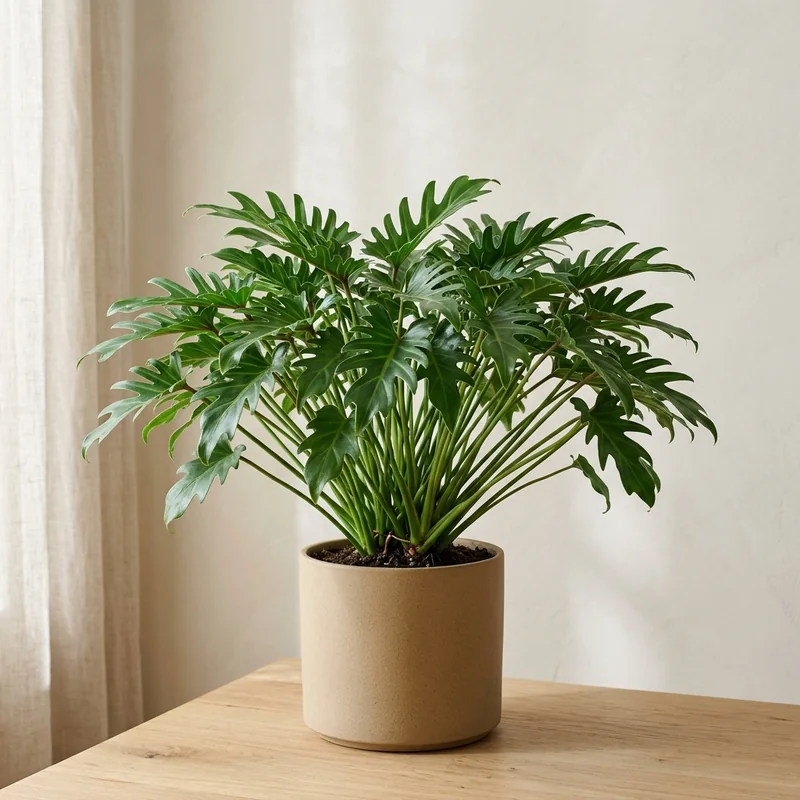
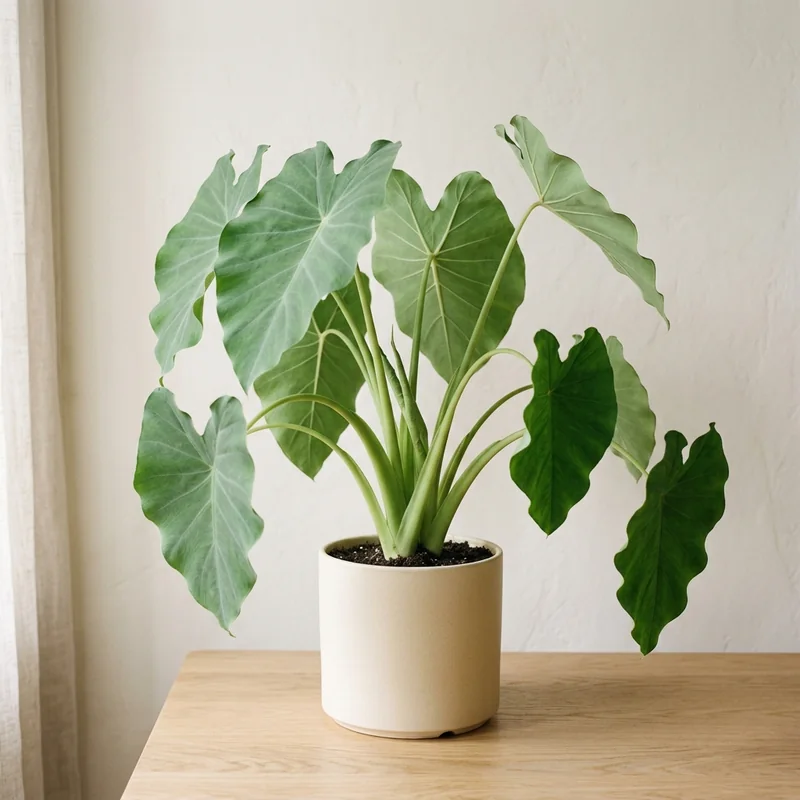
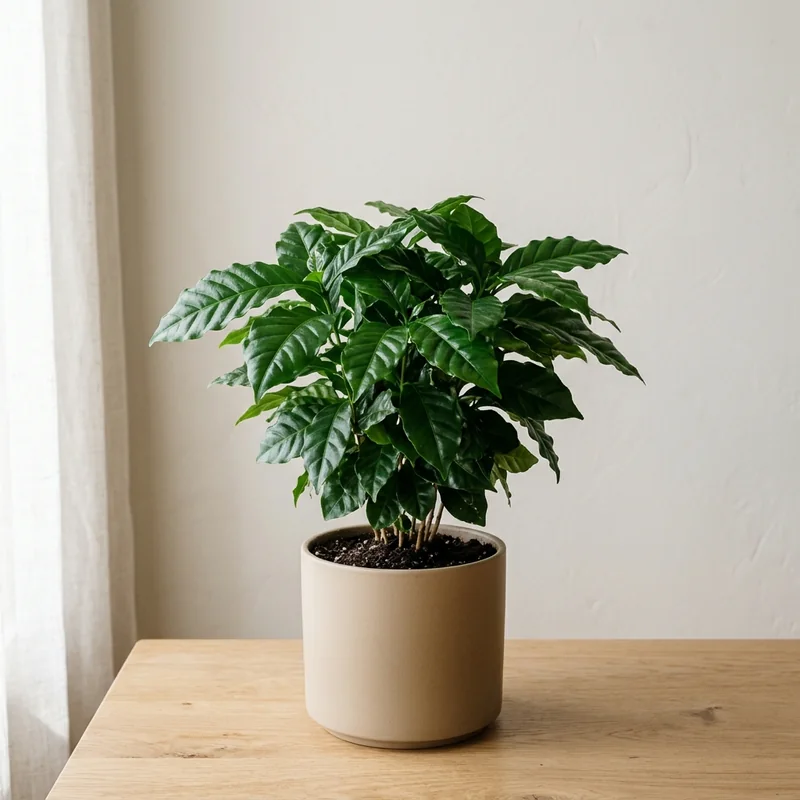
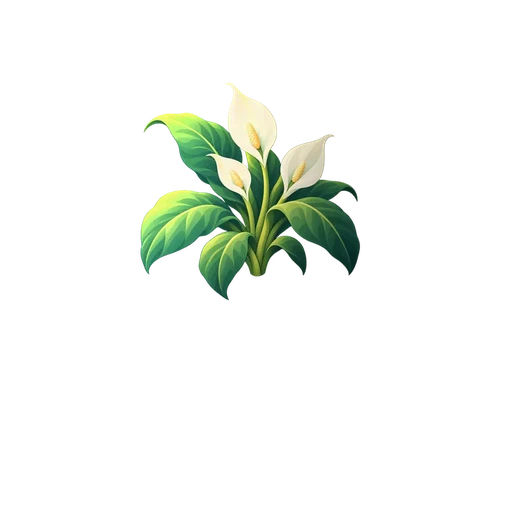
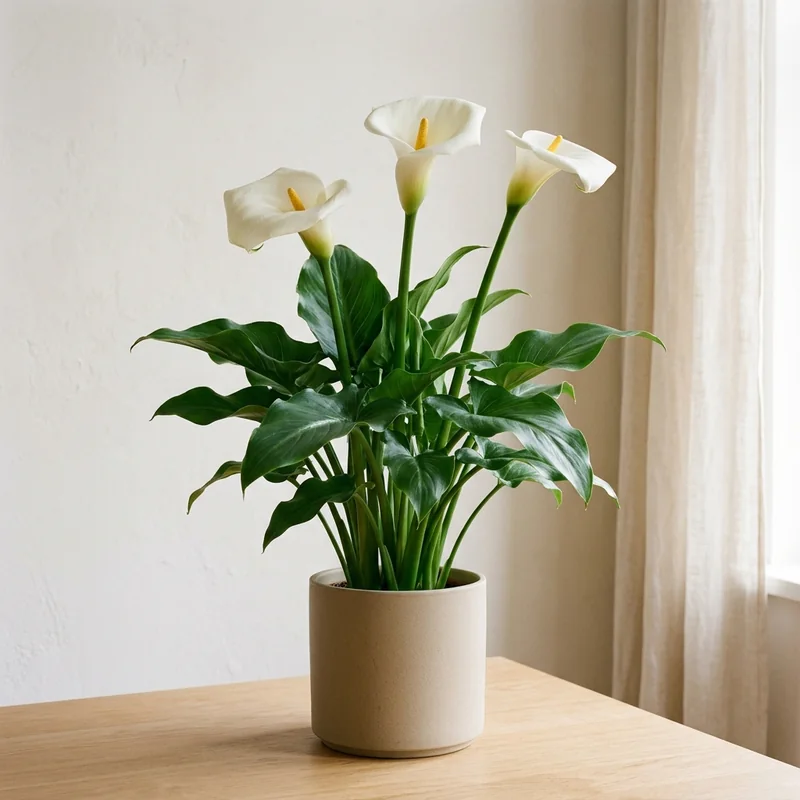
Clump of dark green sagittate leaves and funnel-shaped ivory spathes wrapping a golden spadix. Formerly Calla aethiopica, distinct from Spathiphyllum peace lilies.
Botanical sheet
- Family
- Araceae
- Origin
- South Africa · Lesotho
- Size
- 0.5–1 m tall
- Climate
- 10–25 °C · min. -5 °C
What's wrong with your plant?
Pet safety Toxic to pets
ASPCA lists this species as toxic to cats and dogs. Keep pets from chewing it; contact a veterinarian if ingestion is suspected.
Toxic principles and clinical signs quoted from the ASPCA database.
See the ASPCA entryCommon questions
Does a calla lily go dormant after blooming?
Outdoors or when allowed to dry in summer, foliage yellows and rests naturally; kept moist in mild frost-free rooms it often stays semi-evergreen year-round.
Should I wear gloves when trimming spent calla stems?
Yes. RHS warns Zantedeschia sap is a skin and eye irritant, so wear gloves and wash tools after cutting stalks.
Is Zantedeschia aethiopica toxic to cats and dogs?
Yes. ASPCA lists calla lily as toxic to dogs and cats due to insoluble calcium oxalate crystals causing oral irritation.