
How to care for houseplants in winter with heating
By Grovia · Updated
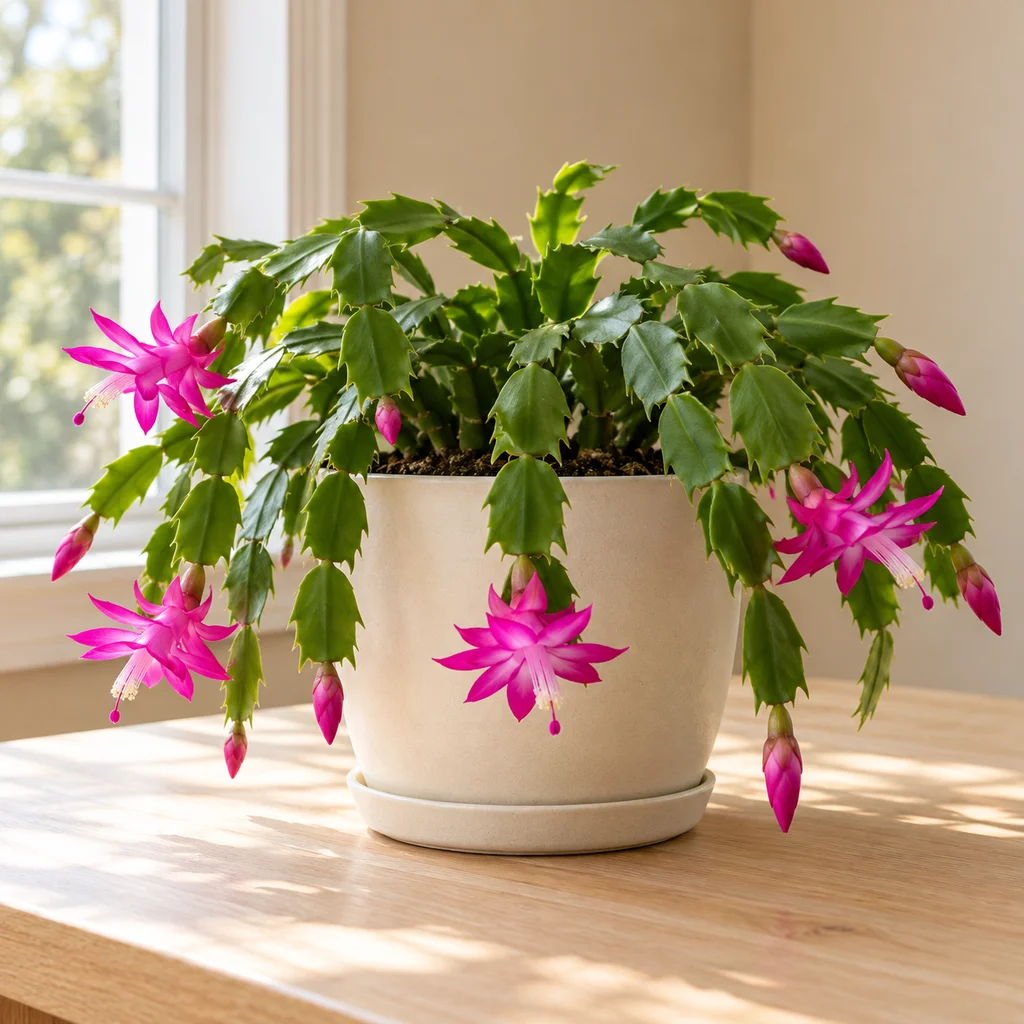
Many houseplants grow more slowly and use less water when light levels drop. Give them good daylight, keep them out of the hot airflow and check the soil before watering.
What to look for and what to do
- What you see
- The air is dry near a radiator
- What to check
- Check whether hot air reaches the leaves and whether the centre of the pot is still damp.
- Next step
- Move it out of direct heat and check the soil again before watering.
- What you see
- The pot gets cold overnight
- What to check
- Check for draughts and leaves touching the window glass.
- Next step
- Choose a bright spot with a steadier temperature.
More light at a steadier temperature
Move plants towards daylight without letting their leaves touch cold glass. Avoid draughts and empty the outer pot once the plant has drained. If heating dries the air, group plants that like higher humidity in a bright spot.
Dormancy and flowering call for different care
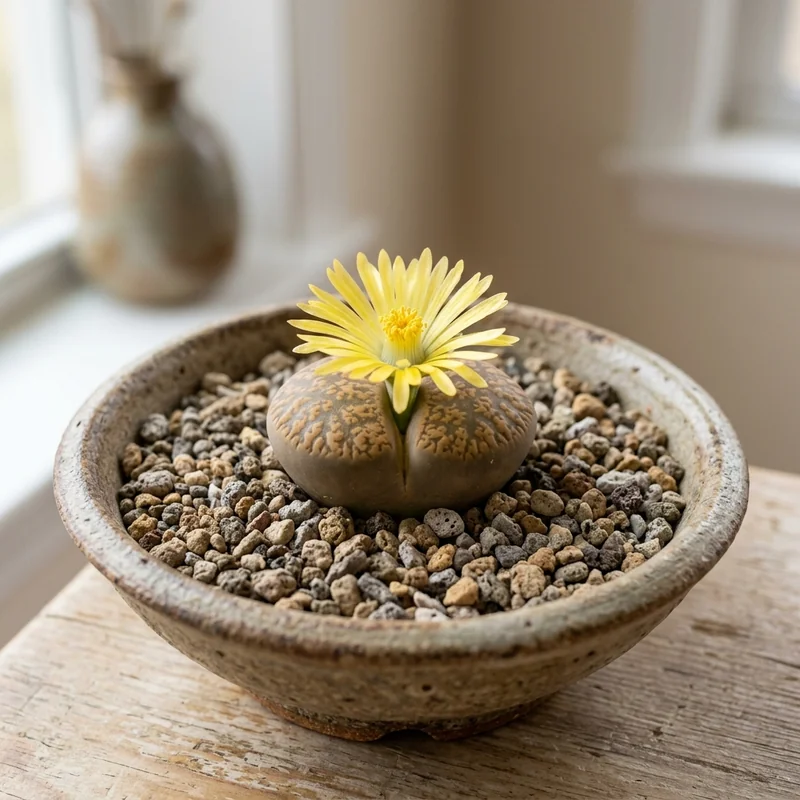
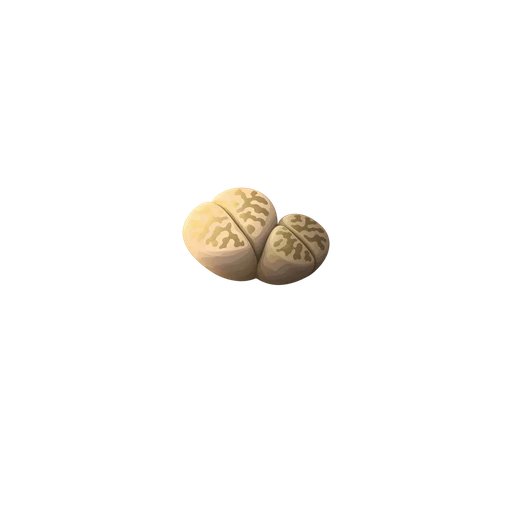
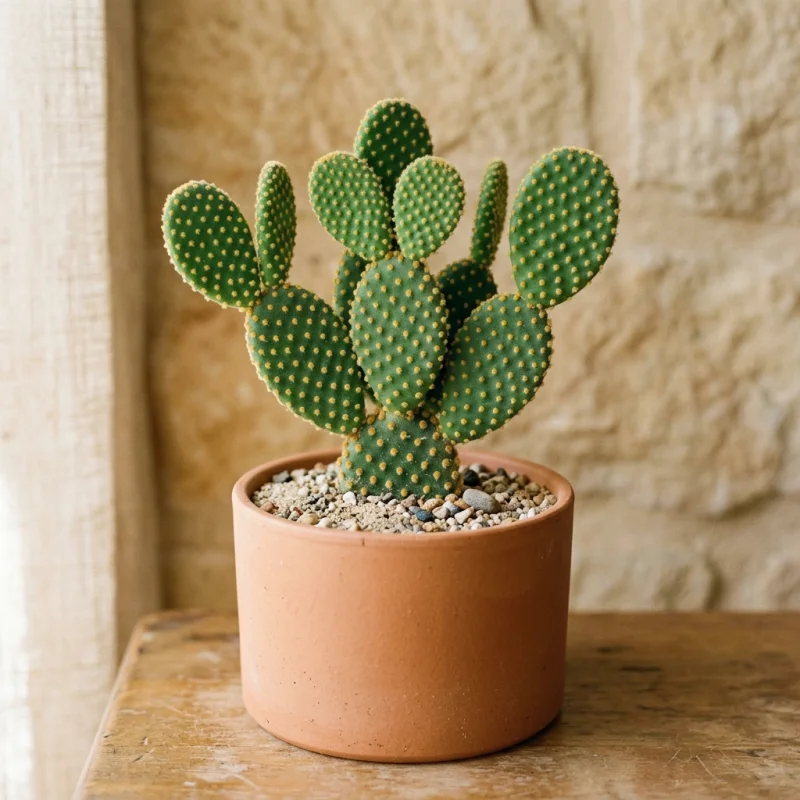
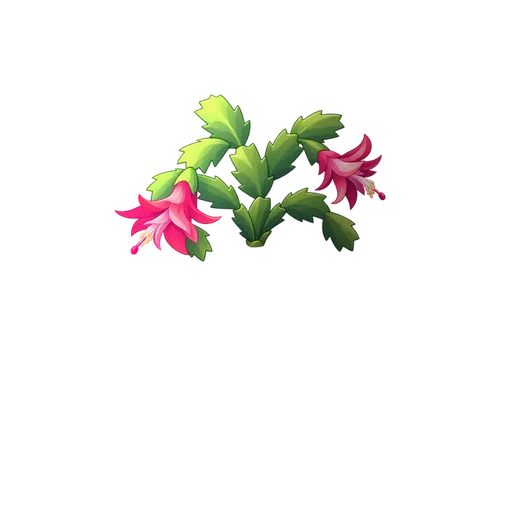
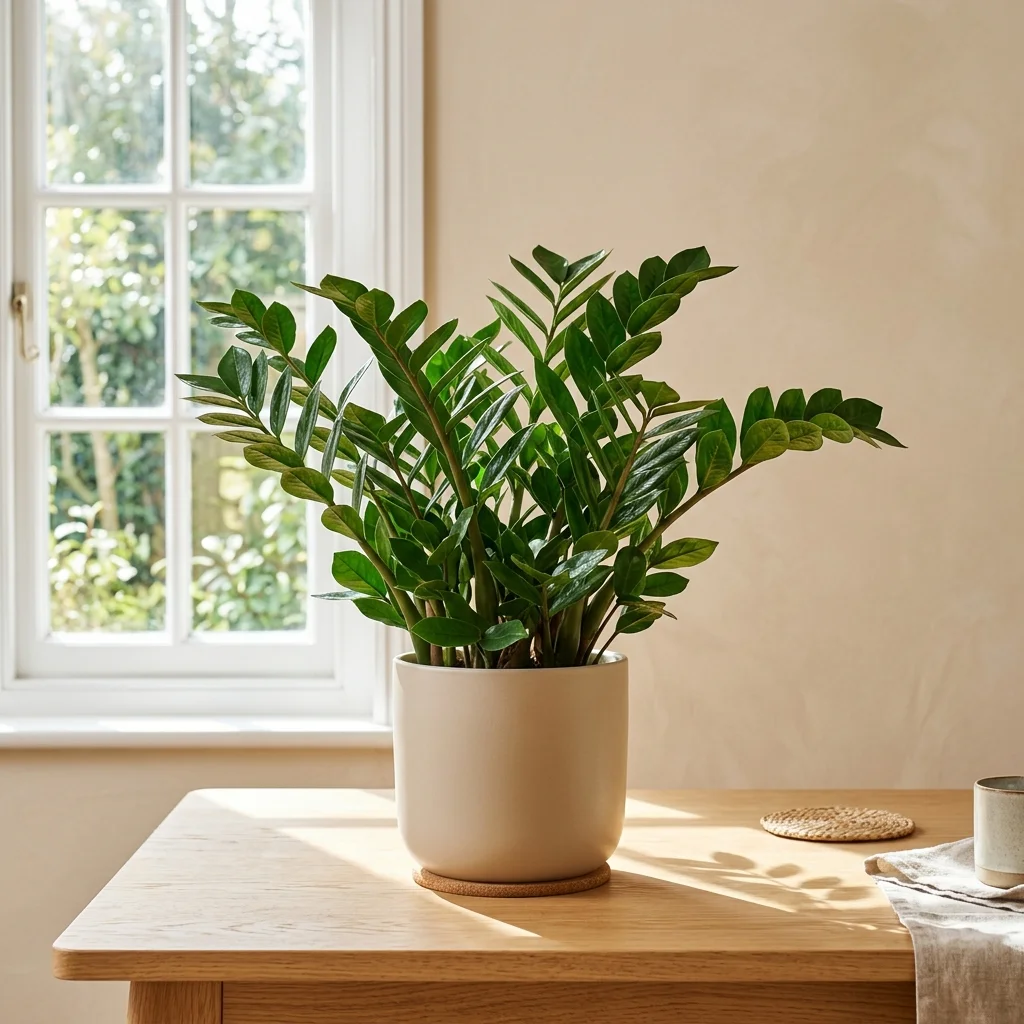
Lithops and Opuntia usually spend winter almost dry. ZZ plants grow more slowly and need their soil to dry between waterings. If your Schlumbergera has buds or flowers, check the soil more often and skip the dry routine for desert cacti.
What to record to track progress
- Position relative to the radiator and window.
- Check date, soil moisture and any buds.
Does central heating mean I should water more?
Only if the soil dries sooner. Dry leaf tips can reflect dry air even when the roots still have moisture.
Sources and editorial approach
Related species profiles






Turn advice into a care routine
Find your plants, open their profiles and organize care tasks in Grovia’s garden and calendar.
 On a computer?Scan with your phone to install