Hawaiian ti plant (Cordyline)
Cordyline fruticosaUpdated
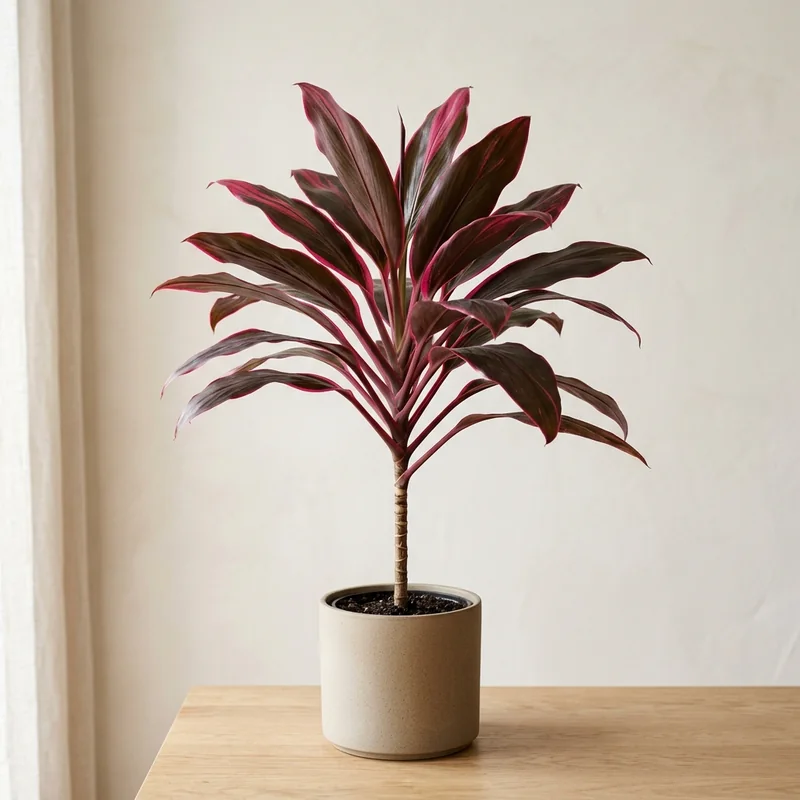
Pacific tropical bearing an upright cane crowned in glossy burgundy and hot-pink lance leaves. Loves bright light, high humidity and low-fluoride water.
Essential care to help it thrive
Light and placement
Give bright indirect daylight near a window so crimson and pink variegation stays bold; dim rooms turn fresh leaves dull muted green.
Climate and season
Craves higher household humidity and frost-free warmth above 10 °C; blasting winter heaters rapidly desiccate leaf tips and invite spider mites.
Soil and repotting
Airy slightly acidic tropical blend combining coco coir, bark fines and plenty of perlite.
Conditions vary with pot, season and location. Always check the mix and your plant's response.
Hawaiian ti plant (Cordyline): when to check the soil
Check the upper half every 5–8 days during warm growth and water thoroughly with rainwater or filtered water when dry, preventing fluoride tip burn.
Let Grovia remind you when to check your Hawaiian ti plant (Cordyline)Save the plant, get watering reminders and adjust the rhythm as the seasons change. Free on iPhone and Android.
See table by pot size
| Ø | Summer | Winter |
|---|---|---|
| 10 cm | 4–5 days | 7–10 days |
| 15 cm | 5–6 days | 9–13 days |
| 25 cm | 6–9 days | 12–17 days |
How to identify it
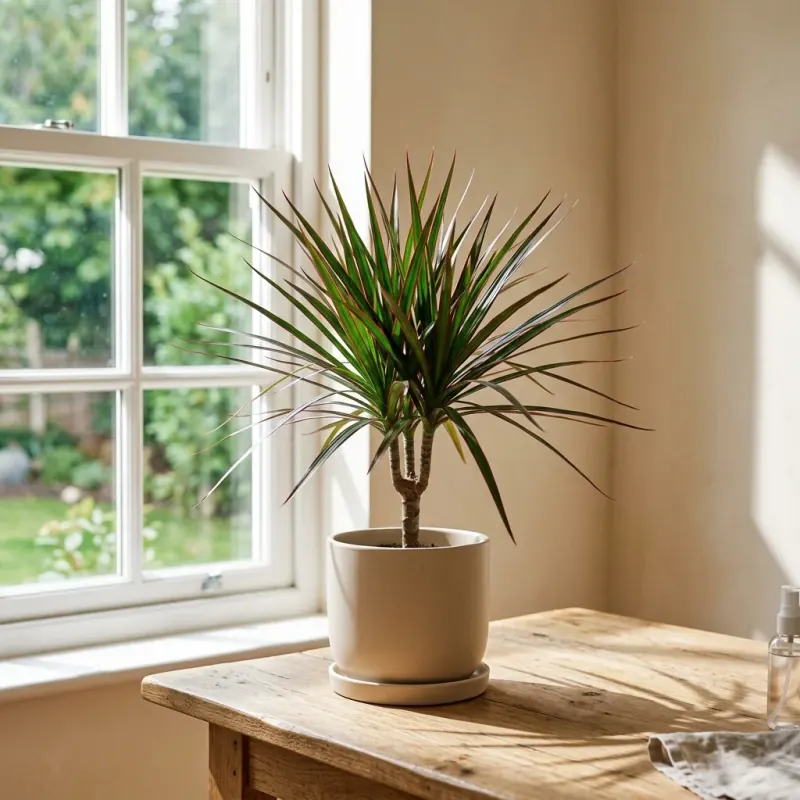
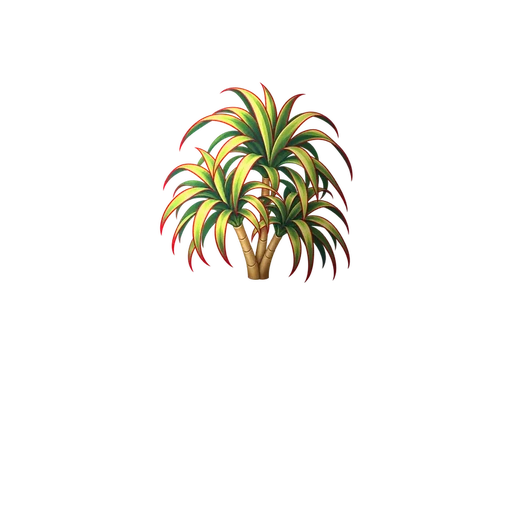
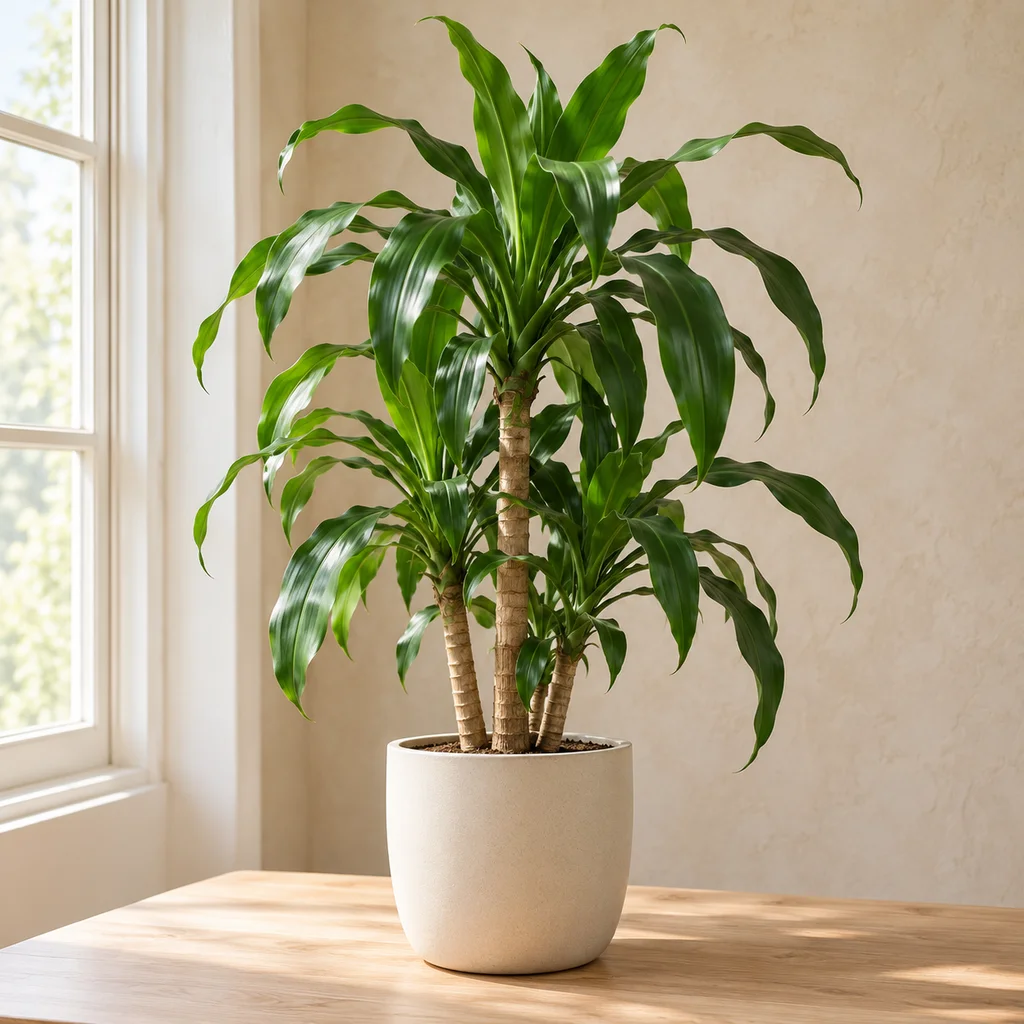
Slender woody cane topped with wide arching glossy dark purple-bronze leaves streaked in vibrant crimson or pink; widely cited formerly as Cordyline terminalis.
Botanical sheet
- Family
- Asparagaceae
- Origin
- Tropical Asia · New Guinea · Western Pacific
- Size
- 2.7–4.5 m (smaller potted)
- Climate
- 16–28 °C · min 10 °C
What's wrong with your plant?
Pet safety Toxic to pets
ASPCA lists this species as toxic to cats and dogs. Keep pets from chewing it; contact a veterinarian if ingestion is suspected.
Toxic principles and clinical signs quoted from the ASPCA database.
See the ASPCA entryCommon questions
How is Cordyline fruticosa different from Dracaena marginata?
Cordyline displays much broader arching leaves carried on distinct winged petioles and pale fleshy roots, whereas dracaenas bear narrow sessile blades on orange-tan roots.
Is Hawaiian Ti Plant toxic to household dogs and cats?
Yes: ASPCA lists Cordyline terminalis as toxic to dogs and cats due to saponins, causing vomiting, drooling and lethargy.
Can an overgrown leggy cane be pruned back in spring?
Yes: cleanly saw back bare stems above soil level in warm spring to stimulate fresh leafy side crowns while rooting the chopped top.