Cape jasmine
Gardenia jasminoidesUpdated
Exquisite acid-loving shrub with heavenly scented blooms. Demands lime-free water, damp ericaceous soil, and cool nights to set fragrant flowers.
Essential care to help it thrive
Light and placement
Give ample light without scorching exposure at the hottest time.
Climate and season
Use an appropriate acidic mix and low-lime water where tap water is hard.
Soil and repotting
Acidic ericaceous mix with pH 5.0–6.0. Feed iron chelates monthly in spring.
Conditions vary with pot, season and location. Always check the mix and your plant's response.
Cape jasmine: when to check the soil
Keep regular moisture with drainage; avoid alternating extreme drought and waterlogging.
Let Grovia remind you when to check your Cape jasmineSave the plant, get watering reminders and adjust the rhythm as the seasons change. Free on iPhone and Android.
See table by pot size
| Ø | Summer | Winter |
|---|---|---|
| 10 cm | 4–5 days | 7–10 days |
| 15 cm | 5–6 days | 9–13 days |
| 25 cm | 6–9 days | 12–17 days |
How to identify it
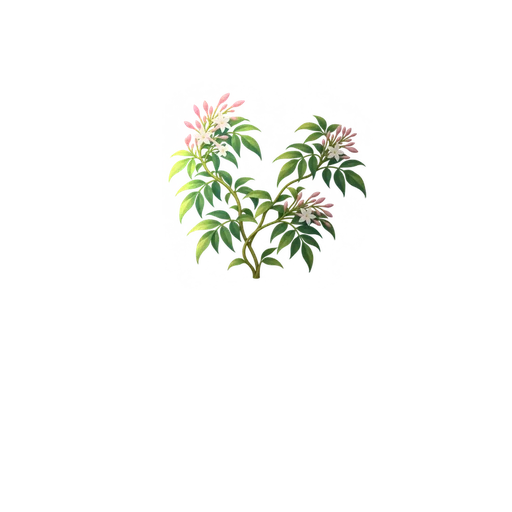
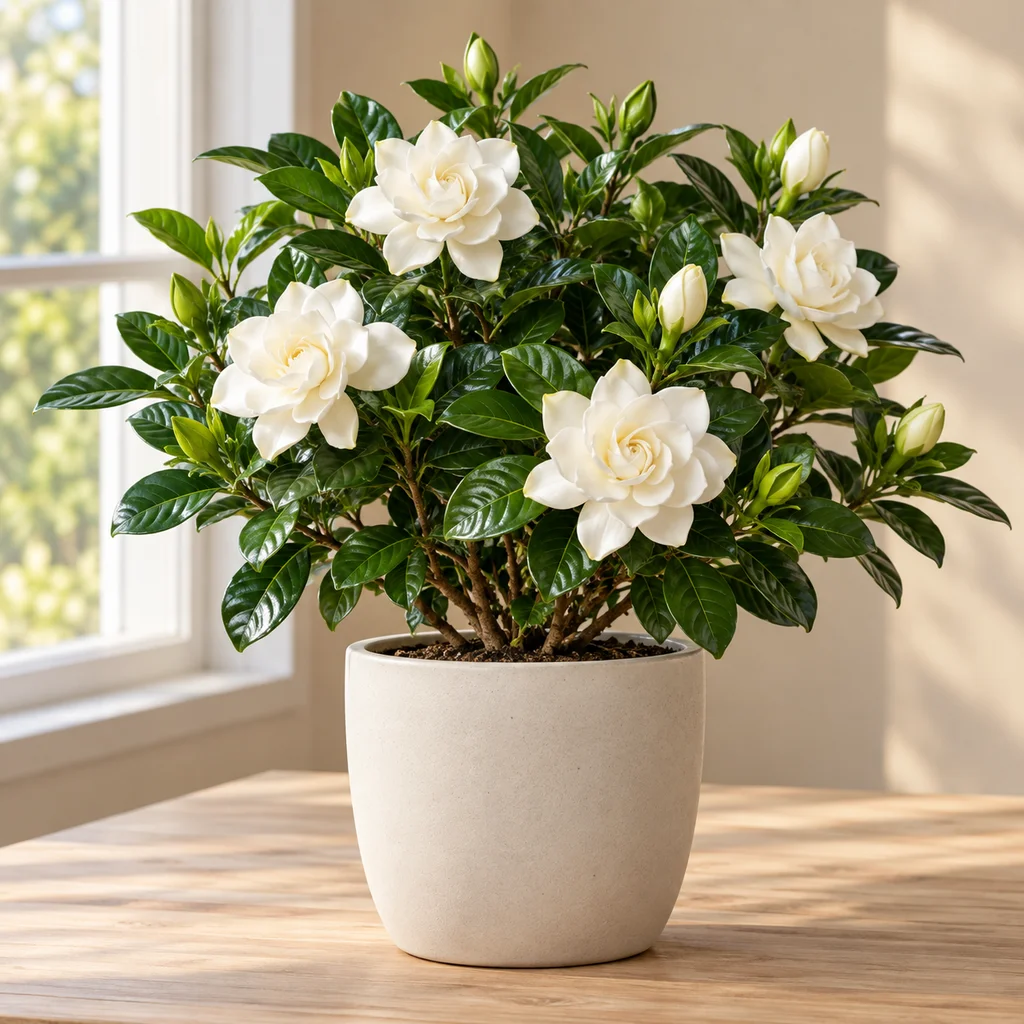
A glossy-leaved shrub with fragrant white flowers; buds can react to care changes.
Botanical sheet
- Family
- Rubiaceae
- Origin
- China · Japan · Vietnam
- Size
- 1–1.5 m bushy shrub
- Climate
- 16–24 °C · 60–80% RH
What's wrong with your plant?
Pet safety Toxic to pets
ASPCA lists this species as toxic to cats and dogs. Keep pets from chewing it; contact a veterinarian if ingestion is suspected.
Toxic principles and clinical signs quoted from the ASPCA database.
See the ASPCA entryCommon questions
Why do buds fall?
Review moves, temperature and mix moisture before intervening.
How do you treat hard tap water for gardenias?
Water with collected rainwater, distilled water, or acidify tap water slightly to keep the potting mix acidic.
What temperature triggers gardenia blooms?
Cool nighttime temperatures between 15–18 °C in spring are vital to set flower buds; hot nights inhibit blooming.