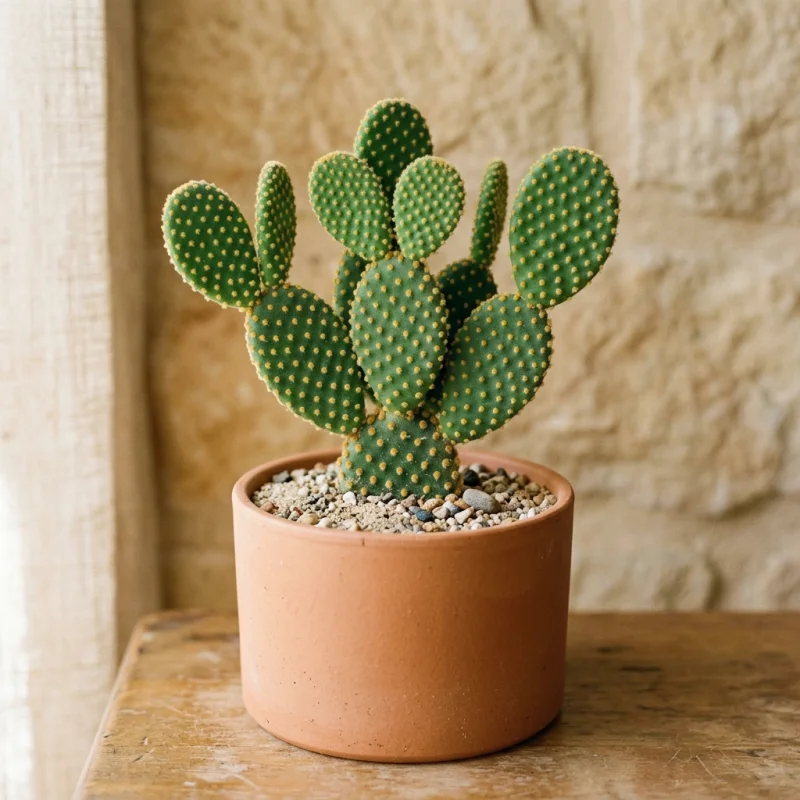
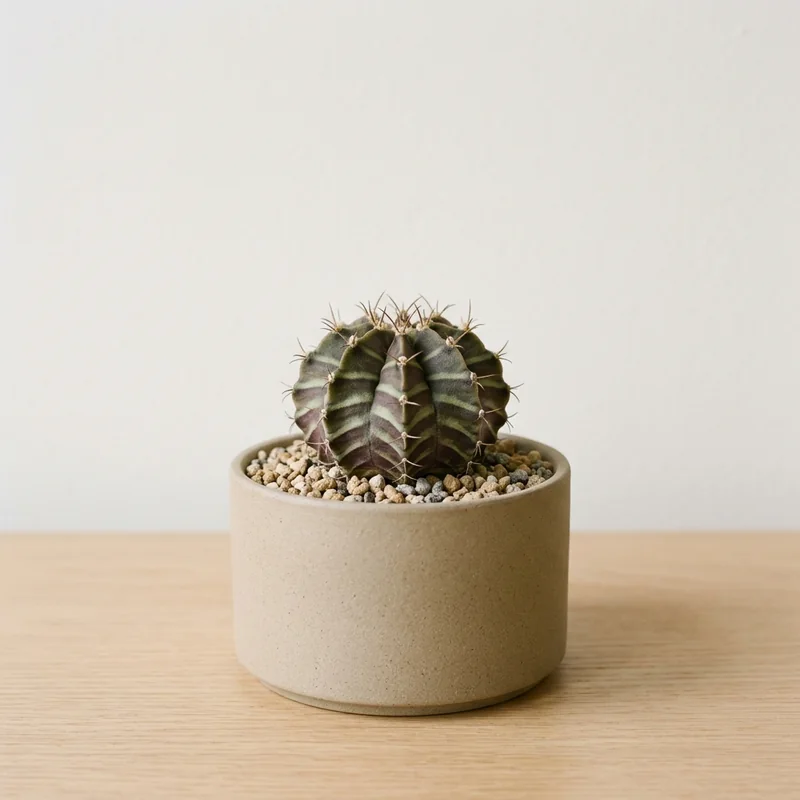
Indian fig opuntia
Opuntia ficus-indicaUpdated
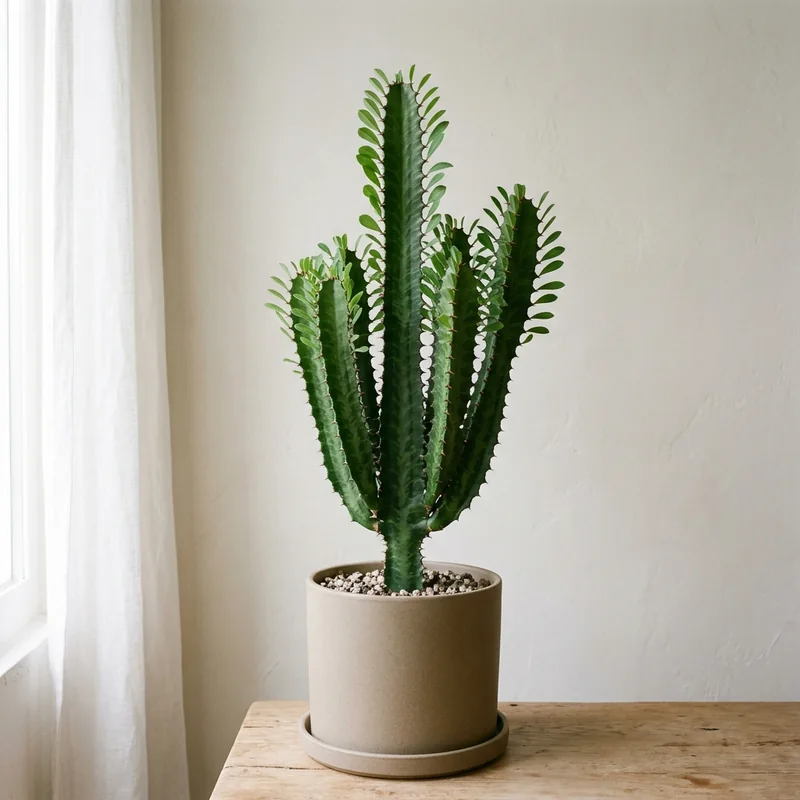
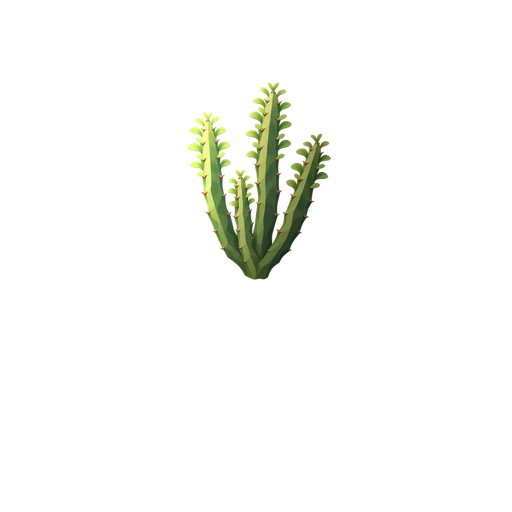
Stout succulent cactus of flattened pads and edible prickly pears. Thrives in blazing sun and porous mineral soil; excess moisture is its fatal flaw.
Essential care to help it thrive
Light and placement
Intense direct sun. It handles full summer sun without issue.
Climate and season
It demands warm, dry environments. If grown in an indoor pot, ensure good ventilation and maximum light.
Soil and repotting
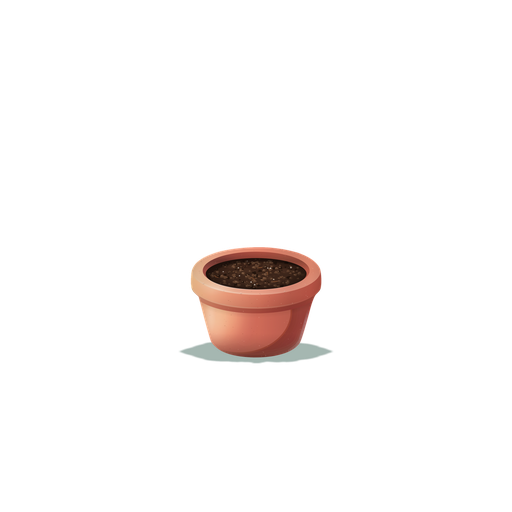
Ultra-porous mineral mix. Grow in heavy terracotta to counterbalance pad weight.
Conditions vary with pot, season and location. Always check the mix and your plant's response.
Indian fig opuntia: when to check the soil
Water very sparingly. Let the mix dry out completely for long periods between waterings; almost zero water in winter.
Let Grovia remind you when to check your Indian fig opuntiaSave the plant, get watering reminders and adjust the rhythm as the seasons change. Free on iPhone and Android.
See table by pot size
| Ø | Summer | Winter |
|---|---|---|
| 10 cm | 10–13 days | No water |
| 15 cm | 12–17 days | No water |
| 25 cm | 16–22 days | No water |
How to identify it
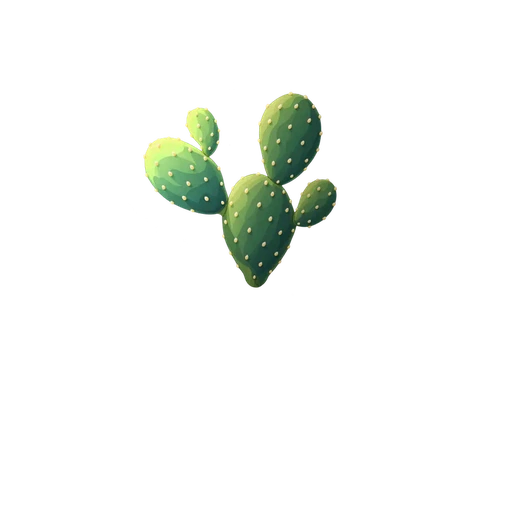
Cactus made up of stacked, flat, oval segments (pads), featuring spiny areoles and yellow or orange flowers.
Botanical sheet
- Family
- Cactaceae
- Origin
- Central & SW Mexico
- Size
- 3–5 m branched cactus
- Climate
- 15–32 °C · min. -5 °C
What's wrong with your plant?
Pet safety Toxicity unverified
There is no species-specific toxicity verification for this plant on ASPCA. Check with your veterinarian or search the ASPCA directory before keeping it within reach of pets.
Open the toxicity checkerCommon questions
Does it grow well as a houseplant?
Only if placed right against a south-facing window with direct sun; without intense light it will grow stretched and weak.
How do you propagate an opuntia pad?
Let the cut pad cure in the shade for 7–10 days until callused, then insert upright in dry grit mix without watering for 3 weeks.
How do you protect prickly pear from frost?
It tolerates frost down to -5 °C outdoors only if the potting soil stays bone-dry; halt water entirely from mid-autumn.