Satin pothos
Scindapsus pictusUpdated
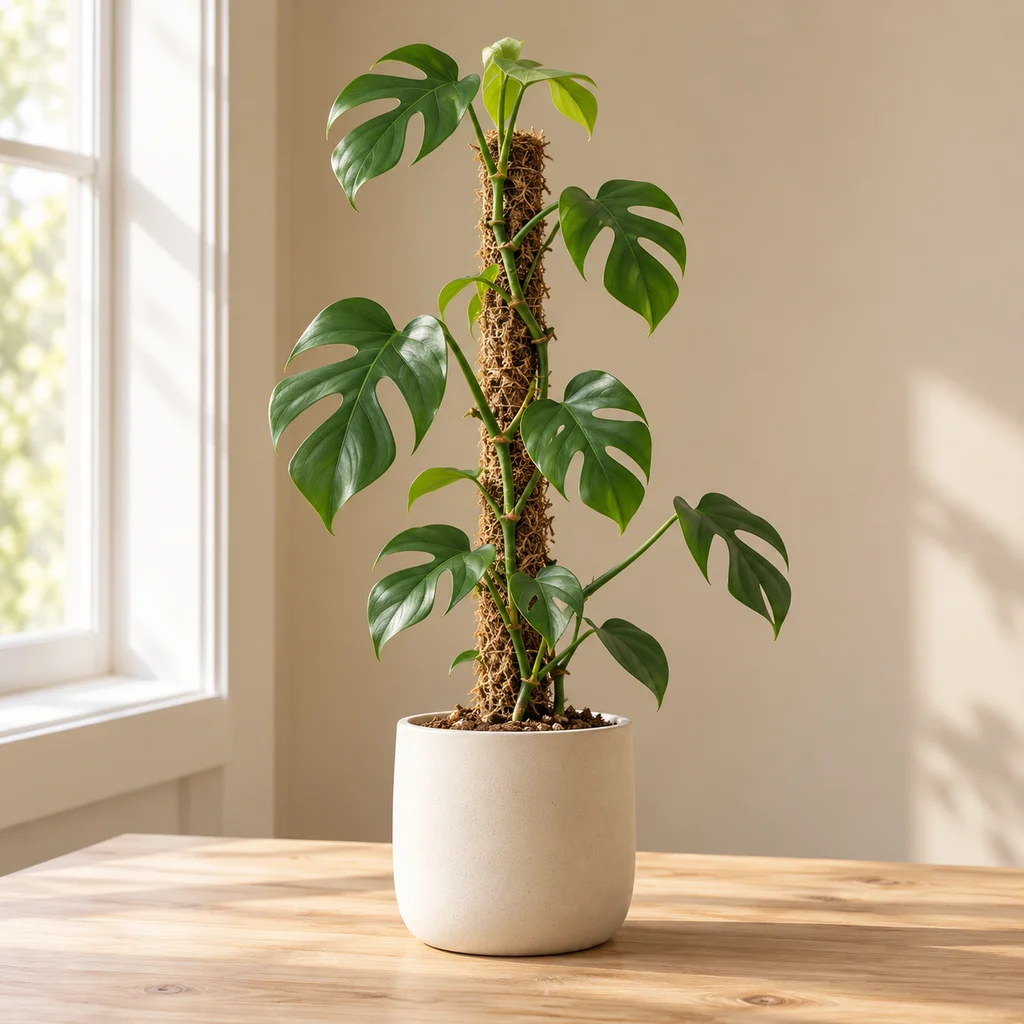
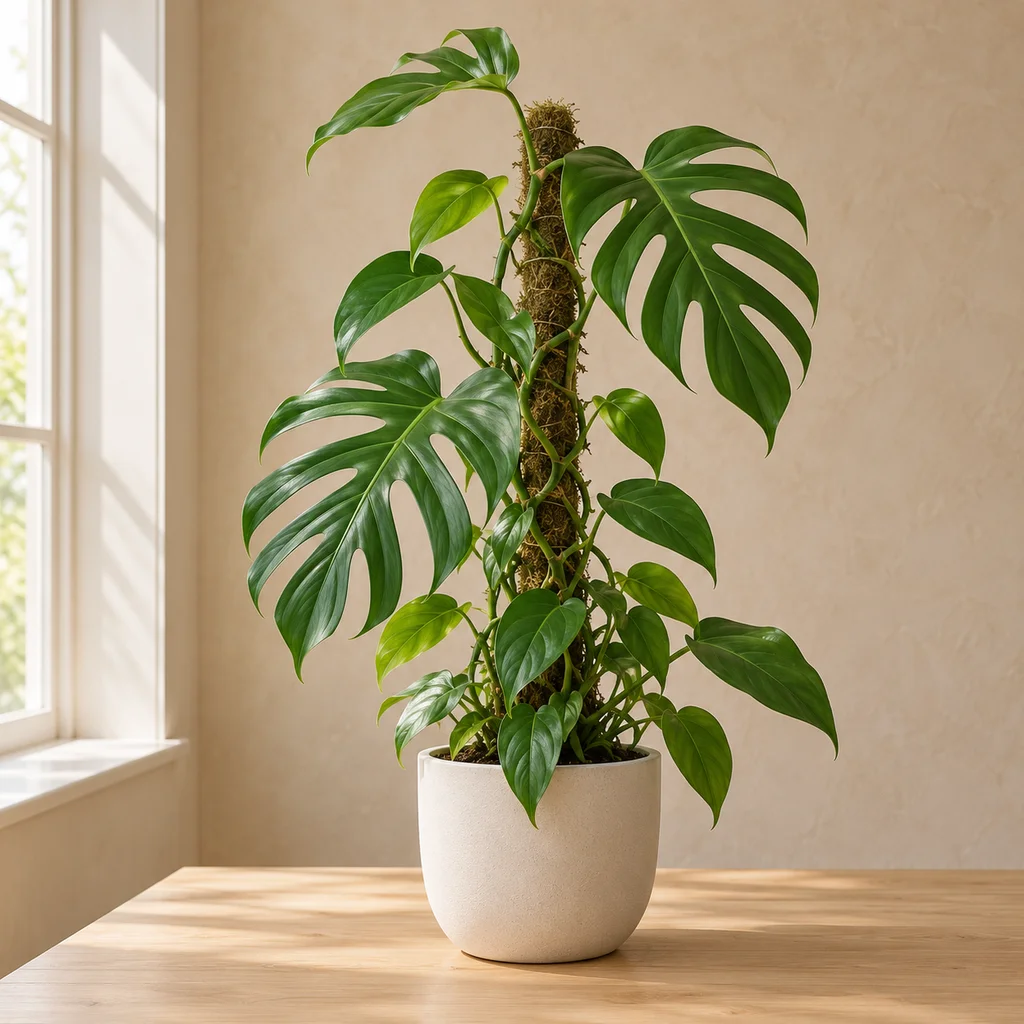
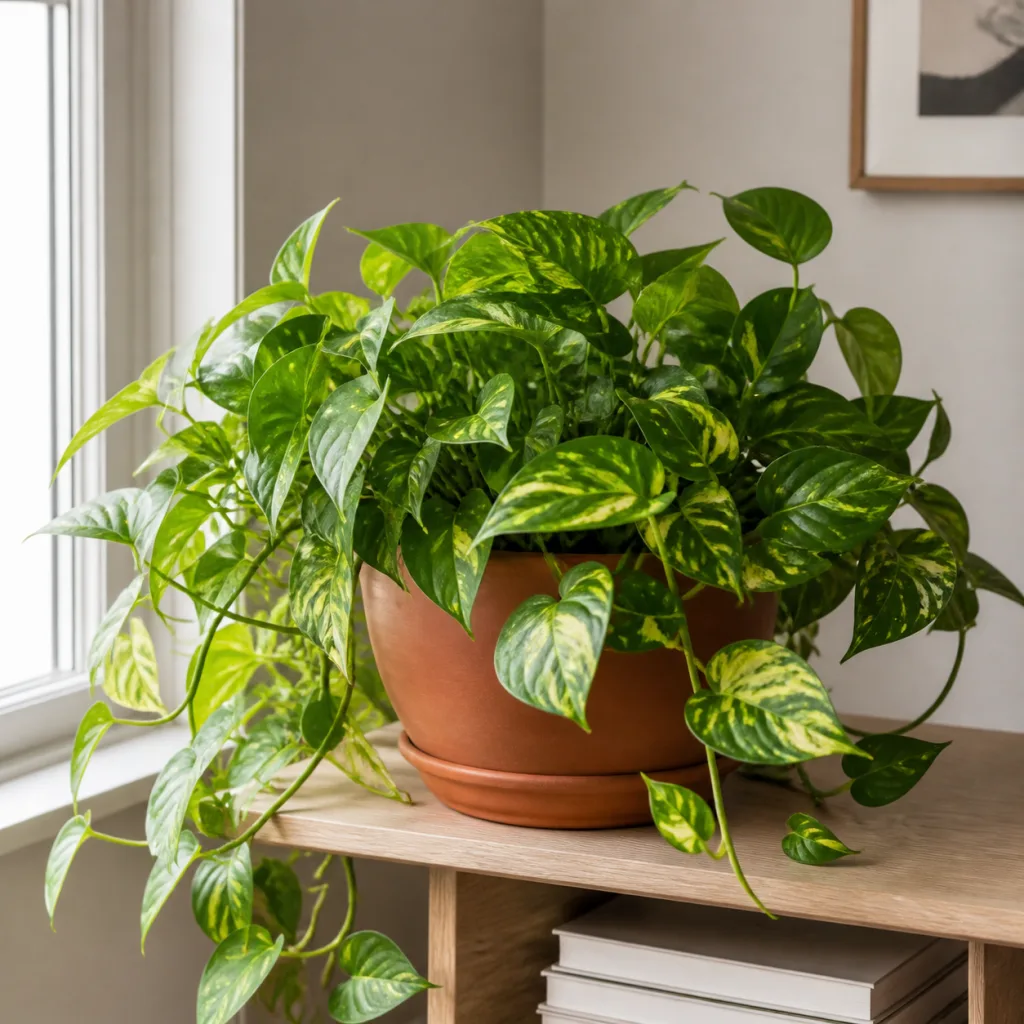
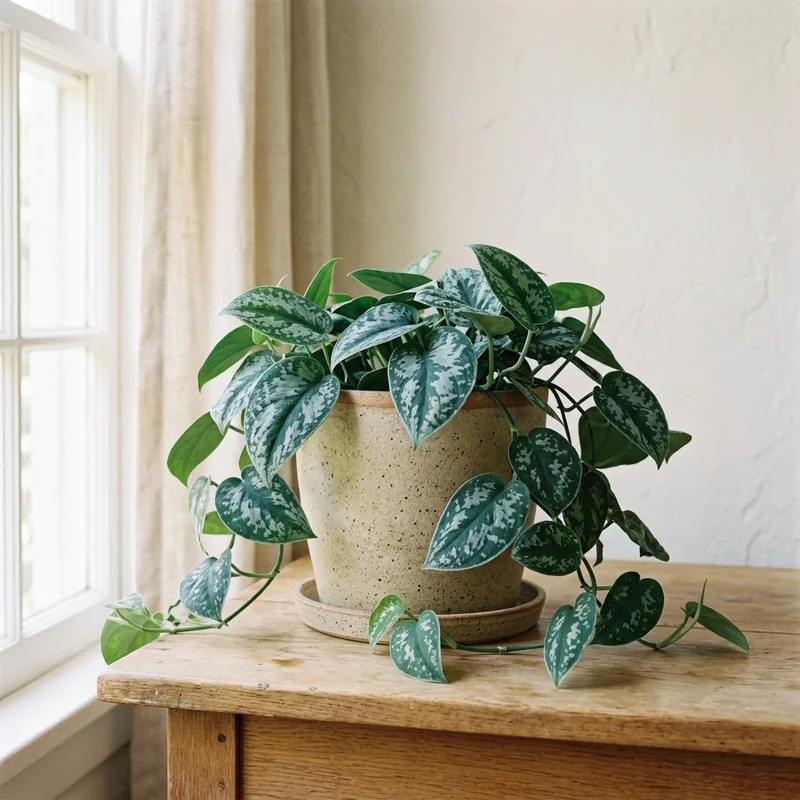
Velvety trailing or climbing aroid prized for thick matte blue-green leaves dusted in metallic silver blotches. Thrives on bright indirect light and chunky airy drainage.
Essential care to help it thrive
Light and placement
Give bright filtered light to keep bold silver markings sharp. It handles medium shade well, though deep corners dull variegation and direct midday sun scorches leaves.
Climate and season
Prefers warm rooms (16–26 °C), moderate humidity and shelter from chills below 10 °C. Wear gloves when pruning since sap can irritate skin and eyes.
Soil and repotting
Pot in a chunky, peat-free aroid potting mix blended with orchid bark, perlite and coco coir inside a freely draining pot so roots breathe.
Conditions vary with pot, season and location. Always check the mix and your plant's response.
Satin pothos: when to check the soil
Check until the top half of the pot feels dry, around every 6–9 days in summer (10–14 in winter). Leaves subtly curl inward as an early sign of thirst.
Let Grovia remind you when to check your Satin pothosSave the plant, get watering reminders and adjust the rhythm as the seasons change. Free on iPhone and Android.
See table by pot size
| Ø | Summer | Winter |
|---|---|---|
| 10 cm | 4–6 days | 8–12 days |
| 15 cm | 5–7 days | 11–15 days |
| 25 cm | 7–10 days | 14–20 days |
How to identify it
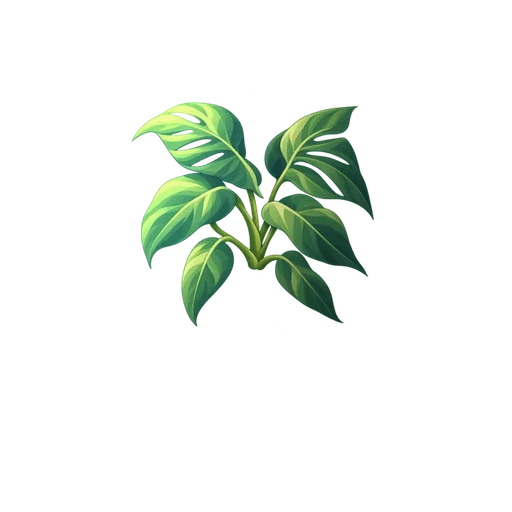
Asymmetrical matte heart-shaped leaves patterned with silver spots and rims. Nicknamed satin pothos, though it is a Scindapsus rather than a true Epipremnum pothos.
Botanical sheet
- Family
- Araceae
- Origin
- Southeast Asia
- Size
- 1–1.5 m trailing
- Climate
- 16–26 °C · min. 10 °C
What's wrong with your plant?
Pet safety Toxic to pets
ASPCA lists this species as toxic to cats and dogs. Keep pets from chewing it; contact a veterinarian if ingestion is suspected.
See the ASPCA entryCommon questions
How is satin pothos different from golden pothos?
Scindapsus pictus is a separate genus with thicker, velvety matte leaves flecked in true silver, and it trails more slowly than glossy Epipremnum aureum.
Why are my Scindapsus pictus leaves curling inward?
Curling is its classic cue that potting mix has stayed dry too long, though cold drafts or damaged roots can cause similar curling.
Is satin pothos toxic to cats and dogs?
Yes. ASPCA lists Scindapsus pictus as toxic to cats, dogs and horses due to insoluble calcium oxalate crystals.